
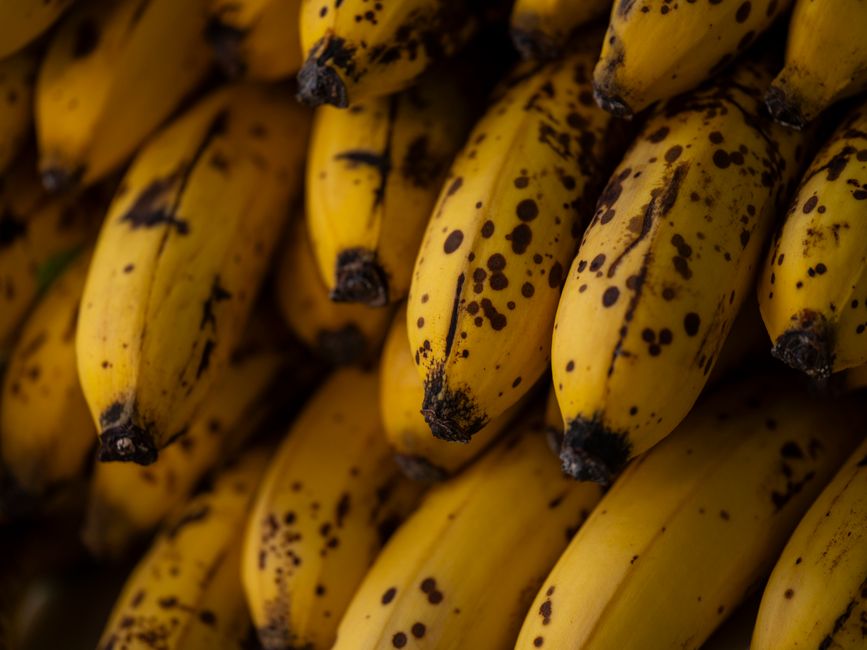
Bananas are good for high blood pressure. They are a rich source of potassium, a mineral that helps your body balance sodium and ease tension in blood vessel walls. While they are not a treatment or a replacement for medication, adding bananas to a balanced diet is a sensible step for most people managing hypertension.
How Do Bananas Affect Blood Pressure?
Potassium is the main reason bananas get attention for blood pressure. The mineral works in direct opposition to sodium. Sodium pulls water into your bloodstream, which raises blood volume and pressure. Potassium helps your kidneys flush out excess sodium through urine. It also relaxes the walls of your blood vessels.
Most adults need about 3,400 milligrams of potassium per day for men and 2,600 milligrams for women, according to established dietary guidelines. A medium banana provides roughly 375 to 420 milligrams. That is about 10 to 12 percent of your daily need from a single fruit.
This does not mean eating one banana will lower your reading immediately. Blood pressure changes happen over weeks and months of consistent eating patterns, not single meals.
What Does the Research Say?
Research consistently shows that higher potassium intake is linked to lower blood pressure. Studies have found that people who eat diets rich in potassium tend to have lower average blood pressure readings than those who do not.
The strongest evidence comes from dietary pattern research rather than banana-specific trials. The DASH diet, which is rich in fruits, vegetables, and low-fat dairy, is a well-established approach to lowering blood pressure. Bananas fit naturally into this pattern.
One important point: potassium supplements have been studied more directly than potassium from food. The effects of supplemental potassium on blood pressure are modest but real. Whether bananas alone produce the same effect is less certain because food contains many interacting compounds.
Some research suggests that potassium from food sources may be safer and better absorbed than supplements. Whole foods deliver potassium alongside fiber, vitamin C, and other plant compounds that work together.
Is the Sugar in Bananas a Problem?
A medium banana contains about 14 grams of natural sugar. This is not the same as added sugar found in processed foods. The fiber in bananas slows down how quickly your body absorbs that sugar.
For most people with high blood pressure, the sugar content of a banana is not a concern. The bigger risk is eating a diet high in added sugars, which is linked to weight gain and higher blood pressure over time.
People with diabetes or prediabetes need to be more careful. A banana will raise blood sugar. The effect depends on ripeness — greener bananas have more resistant starch and a gentler effect on blood sugar than fully ripe ones. If you have diabetes, you can still eat bananas, but portion size matters. Half a banana is often a reasonable serving.





How Many Bananas Should You Eat Per Day?
There is no official recommendation for bananas specifically. The general guidance is to eat 4 to 5 servings of fruit per day as part of a balanced diet. One serving of fruit is roughly one medium banana.
Eating one banana per day is reasonable for most healthy adults. Two per day is also fine for most people unless you have a medical condition that affects potassium handling.
People with chronic kidney disease need to be cautious. Damaged kidneys cannot filter excess potassium from the blood effectively. High potassium levels can cause dangerous heart rhythm problems. If you have kidney disease, talk to your doctor before increasing your banana intake.
The same caution applies to people taking certain blood pressure medications. Some drugs, particularly ACE inhibitors and potassium-sparing diuretics, can raise blood potassium levels. Combining these medications with a very high potassium diet could push levels too high.
Are Bananas Better Than Other Potassium Sources?
Bananas are convenient and affordable, but they are not the most potassium-dense food available. Several common foods contain more potassium per serving.
A medium baked potato with skin provides about 925 milligrams. A cup of cooked spinach has around 840 milligrams. Half an avocado delivers roughly 485 milligrams. A cup of cooked lentils contains about 730 milligrams.
Bananas remain a good choice because they need no preparation and are easy to digest. They are also inexpensive and available year-round in most grocery stores.
What Else Should You Eat for Blood Pressure?
Potassium alone will not fix high blood pressure. The condition is complex and influenced by multiple factors including sodium intake, body weight, physical activity, alcohol consumption, and stress.
Reducing sodium is at least as important as increasing potassium. Most Americans consume far more sodium than recommended, largely from processed and restaurant foods. Cutting back on these foods often produces measurable blood pressure improvements.
Other nutrients matter too. Magnesium and calcium both play roles in blood pressure regulation. Leafy greens, nuts, seeds, and dairy products provide these minerals.
Weight loss is one of the most effective non-medication strategies for lowering blood pressure. Even modest weight loss of 5 to 10 percent of body weight can produce meaningful improvements in blood pressure readings.
Regular physical activity also helps. The American Heart Association recommends at least 150 minutes of moderate-intensity aerobic activity per week. This includes brisk walking, cycling, or swimming.
Can Bananas Replace Blood Pressure Medication?
No. No food can replace prescription blood pressure medication. This is a firm answer, not a cautious one.
Blood pressure medications have been tested in large clinical trials and proven to reduce the risk of heart attack, stroke, and kidney damage. Dietary changes have not shown the same magnitude of effect in clinical studies.
If you are taking medication for high blood pressure, keep taking it. You can add bananas and other potassium-rich foods to your diet as part of a broader healthy eating pattern. But do not stop or reduce your medication without talking to your doctor.
Some people can reduce their medication under medical supervision after making significant lifestyle changes. This always requires close monitoring by a healthcare provider. It is never a decision to make on your own.
Are There Risks to Eating Too Many Bananas?
For healthy people, the risk is very low. Your kidneys are highly efficient at filtering out excess potassium. You would need to eat an impractical number of bananas to cause problems.
The real risk applies to specific groups. People with advanced kidney disease or those taking medications that retain potassium should monitor their intake carefully. For these individuals, even two or three bananas per day could be too much.
Symptoms of high potassium include muscle weakness, fatigue, tingling sensations, and heart palpitations. If you experience these symptoms and have kidney disease or take blood pressure medication, seek medical attention.
Another minor consideration is digestive discomfort. Bananas contain fiber and fermentable carbohydrates that can cause bloating or gas in some people, especially when eaten in large amounts.
What Is the Bottom Line?
Bananas are a healthy food that fits well into a blood pressure-lowering diet. They provide meaningful amounts of potassium, fiber, and other beneficial nutrients at a low cost.
They are not a cure. They will not replace medication. They will not undo the effects of a high-sodium diet or a sedentary lifestyle.
Think of bananas as one small piece of a larger pattern. A diet rich in whole plant foods, limited in sodium and processed foods, combined with regular physical activity and healthy body weight, is the most evidence-based non-medication approach to blood pressure management.
Frequently Asked Questions
How quickly do bananas lower blood pressure?
Bananas do not lower blood pressure quickly. Potassium affects blood pressure over weeks to months of consistent dietary intake, not within hours or days.
Can eating bananas cause high potassium levels?
For healthy people with normal kidney function, eating bananas will not cause dangerously high potassium levels. People with chronic kidney disease or those taking potassium-retaining medications should consult their doctor about safe intake levels.
Are green or ripe bananas better for blood pressure?
Both green and ripe bananas contain potassium, but green bananas have more resistant starch and a lower glycemic impact. For blood pressure purposes, either form is beneficial.
Should I take a potassium supplement instead of eating bananas?
Potassium supplements should only be taken under medical supervision because they can cause dangerous heart rhythm problems at high doses. Food sources like bananas are safer because your body absorbs potassium from food more gradually.
