
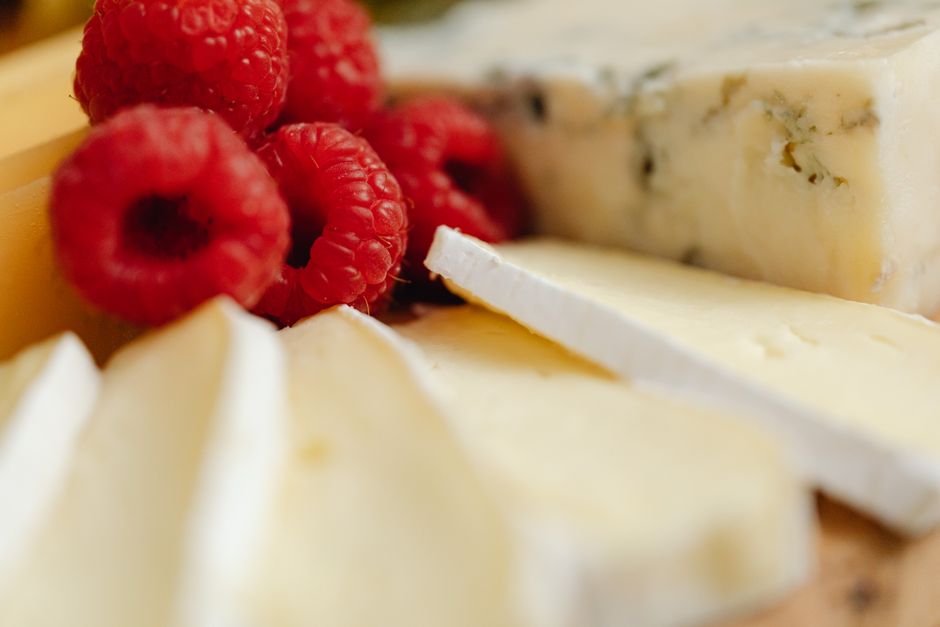
If you have high blood pressure, you may have been told to limit cheese. That advice is partly right, but it is not the whole story. Cheese is high in sodium, which raises blood pressure, but it also contains calcium, protein, and potassium — nutrients that support healthy blood pressure. The best cheeses for high blood pressure are fresh ones like mozzarella, ricotta, and Swiss, because they tend to have less sodium than aged or processed varieties. The key is reading labels and choosing options with 140 mg of sodium or less per serving.
What Cheese Is Good For High Blood Pressure Top Picks?
Fresh cheeses are your best choice when managing high blood pressure. These cheeses undergo less processing and contain less salt than aged cheeses. Aging requires salt for preservation and flavor development, which is why aged cheddar, parmesan, and blue cheese often pack more sodium.
Here are the top picks based on typical sodium content per 1-ounce serving:
- Fresh mozzarella — about 85-135 mg sodium
- Swiss cheese — about 55-75 mg sodium
- Ricotta — about 70-130 mg per 2-ounce serving
- Neufchatel — about 110-130 mg sodium
- Goat cheese (fresh) — about 90-130 mg sodium
- Cottage cheese (low-sodium) — about 100-150 mg per 4-ounce serving
These numbers come from USDA food data. Actual amounts vary by brand, so always check the nutrition label.
Why Sodium Matters for Blood Pressure
Sodium makes your body hold onto water. More water in your bloodstream means more pressure against your artery walls. Over time, this extra pressure damages blood vessels and increases your risk of heart attack, stroke, and kidney disease.
The American Heart Association recommends limiting sodium to 1,500 mg per day for people with high blood pressure. The general population guideline is 2,300 mg per day. Most Americans eat far more than that — often 3,400 mg or more daily.
Cheese is one of the top sources of sodium in the American diet. But it is not the only one. Bread, pizza, sandwiches, cold cuts, and soups contribute more sodium overall. Cutting cheese entirely while still eating processed foods will not solve the problem.
How Much Sodium Is in Your Favorite Cheeses?
Not all cheese is created equal. Here is a breakdown of typical sodium content per 1-ounce serving:
| Cheese Type | Sodium per 1 oz (approx.) | Good Choice? |
|---|---|---|
| Swiss | 55-75 mg | Yes |
| Fresh mozzarella | 85-135 mg | Yes |
| Provolone | 250 mg | Moderate |
| Cheddar | 175-200 mg | Moderate |
| American (processed) | 350-450 mg | No |
| Parmesan | 330-450 mg | No |
| Feta | 320-360 mg | No |
| Blue cheese | 325-400 mg | No |
Processed cheese products like American slices and cheese spreads are the worst offenders. They often contain added sodium phosphates and emulsifiers beyond the natural salt content.





The Calcium–Blood Pressure Connection
Calcium plays a real role in blood pressure regulation. It helps blood vessels contract and relax properly. Low calcium intake is linked to higher blood pressure in some studies, though the effect is modest compared to sodium reduction.
Dairy is the richest source of calcium in the American diet. One ounce of cheese provides roughly 150-200 mg of calcium, which is about 15-20 percent of your daily need. Cutting out all dairy can make it harder to meet your calcium requirements.
Some research published in the American Journal of Clinical Nutrition suggests that higher dairy intake is associated with lower blood pressure. The DASH diet — Dietary Approaches to Stop Hypertension — includes 2-3 servings of low-fat dairy daily. This eating plan has been shown in clinical trials to lower blood pressure significantly within weeks.
Cheese fits into the DASH diet if you choose wisely. The focus should be on lower-sodium, lower-fat options in controlled portions.
How to Pick a Low-Sodium Cheese at the Store
Reading labels is the only reliable way to know what you are getting. Sodium content varies widely between brands making the same type of cheese.
Use this rule: aim for cheese with 140 mg of sodium or less per serving. The FDA considers foods with 140 mg or less per serving to be “low sodium.” For reference, that is about 5 percent of your daily value.
Some brands make reduced-sodium versions of popular cheeses. These can be helpful, but compare labels carefully. “Reduced sodium” only means at least 25 percent less sodium than the original. The final number still matters.
Watch out for these hidden sodium sources in cheese:
- Salt added during the cheesemaking process
- Salt brine used for storage (common in feta and mozzarella balls)
- Sodium phosphate added to processed cheese
- Natural sodium present in milk itself (about 50-60 mg per ounce of cheese)
Portion Control Still Matters
Even low-sodium cheese adds up if you eat too much. A serving of cheese is 1 ounce — about the size of two dice or your thumb. Most people eat two to three times that amount in a single sandwich or snack.
Here is a practical comparison. Swiss cheese at 60 mg sodium per ounce is a good choice. But if you eat three ounces on a sandwich, you are getting 180 mg. That is more than a single ounce of cheddar.
Weigh or measure your cheese at home for a week. You will likely be surprised at what an actual serving looks like. Pre-portioned string cheese sticks and individually wrapped slices make portion control easier.
What About Cheese and Blood Pressure Medications?
Most cheeses are safe to eat while taking blood pressure medications. There is one important exception: aged cheeses in combination with certain antidepressants, not blood pressure drugs.
Some people taking MAO inhibitors — an older class of antidepressants — must avoid aged cheese. Tyramine, a compound that forms as cheese ages, can cause a dangerous spike in blood pressure when combined with these medications. This interaction does not apply to standard blood pressure medications like ACE inhibitors, beta-blockers, or diuretics.
If you take any medication and are unsure about food interactions, ask your pharmacist. This is a quick conversation that can prevent problems.
Other Heart-Healthy Nutrients in Cheese
Beyond calcium, cheese provides protein and several nutrients relevant to heart health. A 1-ounce serving of cheese contains about 6-7 grams of protein. Protein helps you feel full, which can support weight management — and maintaining a healthy weight is one of the most effective ways to control blood pressure.
Cheese also contains potassium in small amounts. Potassium helps counteract sodium’s effect on blood pressure. However, cheese is not a significant source of potassium. You are better off getting potassium from fruits, vegetables, beans, and potatoes.
Some cheeses contain conjugated linoleic acid (CLA) and other fatty acids. Research on these compounds and heart health is ongoing. The evidence is not strong enough to make specific recommendations about cheese and these compounds.
Practical Ways to Enjoy Cheese with High Blood Pressure
You do not need to give up cheese. You need to be strategic about it.
Use cheese as a flavor accent rather than the main ingredient. Grate a small amount of parmesan over vegetables instead of eating cheese slices. Use fresh mozzarella in salads rather than processed cheese on sandwiches.
Pair cheese with blood-pressure-friendly foods. Apple slices with Swiss cheese, whole-grain crackers with fresh mozzarella, or berries with ricotta make balanced snacks. These combinations add fiber and potassium while keeping sodium in check.
Rinse brined cheeses before eating. Feta and fresh mozzarella stored in brine absorb salt. Rinsing them under cold water for 30 seconds removes some surface salt. This simple step can reduce sodium by a meaningful amount.
When to Choose No Cheese at All
If your blood pressure is poorly controlled, even lower-sodium cheese may not be the best choice. Your doctor or dietitian may recommend a stricter approach temporarily.
People with heart failure, kidney disease, or fluid retention often need more aggressive sodium restriction. These conditions change the calculus. What works for someone with mild hypertension may not work for you.
Always follow the specific advice of your healthcare team. They know your lab values, medications, and overall health picture. General guidelines are a starting point, not a substitute for personalized care.
Frequently Asked Questions
Is all cheese bad for high blood pressure?
No. Fresh cheeses like Swiss, mozzarella, and ricotta are lower in sodium than aged or processed cheeses. The key is reading labels and choosing options with 140 mg of sodium or less per serving.
Can I eat cheddar cheese with high blood pressure?
Cheddar contains about 175-200 mg of sodium per ounce, which is moderate. You can eat it occasionally in small portions, but lower-sodium options like Swiss or fresh mozzarella are better daily choices.
Does cheese raise blood pressure quickly?
A single high-sodium meal can temporarily raise blood pressure within hours. The effect depends on your salt sensitivity, the total sodium in the meal, and your current blood pressure medications.
What is the lowest sodium cheese I can buy?
Swiss cheese is typically the lowest at about 55-75 mg per ounce. Some brands also make specifically reduced-sodium versions of cheddar, mozzarella, and other cheeses — check labels for the exact amount.
