
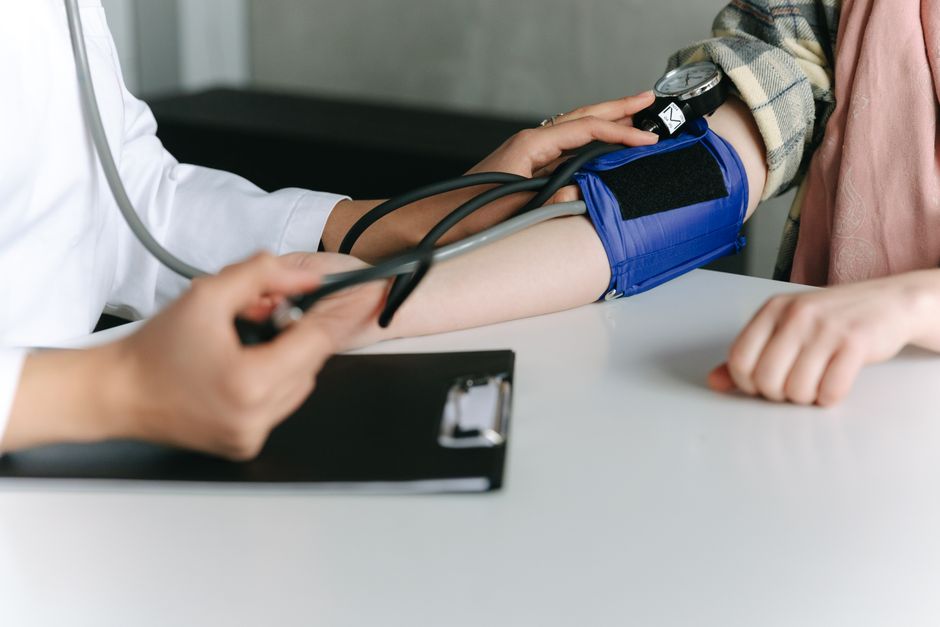
If your blood pressure reading is very high, you need to act quickly but calmly. For a reading of 180/120 mm Hg or higher, do not wait to see if it passes — call for emergency medical help right away. For high readings below that level, the immediate steps involve stopping what you are doing, sitting quietly, breathing slowly, and taking your prescribed medication exactly as directed by your doctor.
What Is a Hypertensive Crisis?
A blood pressure reading of 180/120 mm Hg or higher is called a hypertensive crisis. This is a medical emergency. At this level, blood vessels can become strained enough to cause damage to organs like the brain, heart, or kidneys.
If you get a reading this high, wait five minutes and check again. If it is still 180/120 or higher, call 911 or have someone drive you to an emergency room. Do not drive yourself.
Seek immediate care if the high reading comes with chest pain, shortness of breath, back pain, numbness or weakness on one side of the body, vision changes, or difficulty speaking. These symptoms can signal a stroke or heart attack.
What To Do For High Blood Pressure Immediately
When your reading is elevated but not in crisis range, you can take specific steps to help bring it down. These actions do not replace medical treatment, but they can help in the moment.
- Sit down and rest. Sit upright in a chair with your feet flat on the floor. Do not lie down flat. Stay still for at least five minutes before rechecking.
- Breathe slowly and deeply. Slow breathing at about six breaths per minute can help lower blood pressure temporarily by calming the nervous system.
- Take your medication as prescribed. If your doctor has given you a fast-acting blood pressure medication for high readings, take that dose. Never double up on daily medications unless your doctor has told you to.
- Empty your bladder. A full bladder can raise blood pressure readings. Using the bathroom and resting again may give you a more accurate number.
- Avoid caffeine and alcohol. Both can raise blood pressure temporarily. Do not drink either while waiting for your reading to come down.
- Do not take a hot shower or bath. Heat can cause blood vessels to dilate suddenly, which can be dangerous if your pressure is already very high.
After resting for 15 to 20 minutes, take another reading. If it has come down and you feel fine, contact your doctor’s office for guidance on next steps. If it stays high or keeps rising, seek medical care.
What Not To Do During a High Reading
Some common reactions to a high reading can actually make things worse. Knowing what to avoid matters as much as knowing what to do.
Do not panic. Stress hormones like adrenaline raise blood pressure further. Remind yourself that you are taking the right steps and that you will recheck shortly.
Do not take an extra dose of your daily blood pressure medication unless your doctor has specifically instructed you to do so. Taking too much medication can drop your blood pressure dangerously low and cause fainting or falls.
Do not take over-the-counter pain relievers like ibuprofen or naproxen. These medications can raise blood pressure and interfere with some blood pressure drugs. Acetaminophen is generally safer, but check with your doctor first.
Do not ignore symptoms. If you feel chest pain, severe headache, dizziness, or shortness of breath, treat this as an emergency regardless of your reading.


How to Measure Your Blood Pressure Correctly at Home
Home readings are only useful if they are accurate. Many people get falsely high readings because of poor technique.
Sit quietly for five minutes before measuring. Do not smoke, drink caffeine, or exercise within 30 minutes before the reading. Sit with your back supported and both feet flat on the floor. Rest your arm on a flat surface at heart level.
Use the correct cuff size. A cuff that is too small gives falsely high readings. Most adults need a regular or large cuff. The cuff should fit snugly around your upper arm with room for one finger underneath.
Take two readings one minute apart. Record both numbers and the time of day. Bring this log to your doctor’s appointments. Readings taken at home are often lower than readings in a clinic, so your doctor may use different targets for home monitoring.
When to Call Your Doctor vs. When to Call 911
Knowing the difference between a concerning reading and an emergency can help you respond appropriately.
Call 911 for a reading of 180/120 or higher that stays high after five minutes of rest. Call 911 immediately if the high reading comes with chest pain, shortness of breath, severe headache, vision changes, weakness on one side, or trouble speaking.
Call your doctor’s office for readings consistently above 140/90 that are not in crisis range. Also call if you notice new symptoms like swelling in your feet, fatigue, or dizziness. Your doctor may need to adjust your medications.
If you are pregnant and have a high reading, call your obstetrician right away. High blood pressure during pregnancy requires special attention because it can affect both you and the baby.
Why Blood Pressure Spikes Happen
Blood pressure naturally fluctuates throughout the day. It is usually lower during sleep and higher in the morning. Physical activity, stress, and pain all cause temporary increases.
Certain triggers can cause sudden spikes. These include high sodium meals, caffeine in sensitive individuals, alcohol withdrawal, and missed medication doses. Some cold medicines and decongestants also raise blood pressure.
Anxiety about medical visits can cause white coat hypertension, where readings in a clinic are higher than readings at home. The opposite also exists — masked hypertension, where clinic readings are normal but home readings are high.
If you get one high reading, it does not mean your treatment is failing. A single reading is a snapshot. Patterns over days and weeks tell the real story. Your doctor makes treatment decisions based on trends, not single numbers.
Long-Term Management to Prevent Future Spikes
Immediate actions handle the moment. Long-term management prevents the moment from happening in the first place.
The DASH diet is one of the most studied approaches to lowering blood pressure. It emphasizes fruits, vegetables, whole grains, lean proteins, and low-fat dairy while limiting sodium, saturated fat, and added sugars. Research consistently shows this eating pattern can lower blood pressure within weeks.
Sodium reduction matters for many people. Most adults should aim for less than 2,300 mg of sodium per day. The American Heart Association suggests an ideal limit of 1,500 mg for adults with high blood pressure. Processed foods are the biggest source of sodium in the typical diet, not the salt shaker.
Regular physical activity helps keep blood vessels flexible. Aim for at least 150 minutes of moderate exercise per week. This can be brisk walking, swimming, or cycling. Consistency matters more than intensity.
Medication adherence is critical. Many people stop taking blood pressure medication when they feel fine. Blood pressure medications control the condition; they do not cure it. Missing doses allows pressure to climb again.
Alcohol reduction and smoking cessation also lower blood pressure. Limiting alcohol to no more than one drink per day for women and two for men makes a measurable difference.
Frequently Asked Questions
What should I do if my blood pressure is 180/120?
Call 911 or go to an emergency room immediately — this reading is a hypertensive crisis. Do not wait to see if it comes down on its own.
Can drinking water lower blood pressure quickly?
Drinking water helps if you are dehydrated, but it does not act as a fast treatment for a high reading. Sit down, rest, and breathe slowly instead.
How long does it take for blood pressure to go down after resting?
Blood pressure can start to drop within minutes of quiet rest and slow breathing. Recheck your reading after 15 to 20 minutes of calm sitting.
Should I take an extra dose of my blood pressure medication if my reading is high?
Only if your doctor has specifically told you to do so for high readings. Taking extra medication on your own can cause dangerously low blood pressure.
