
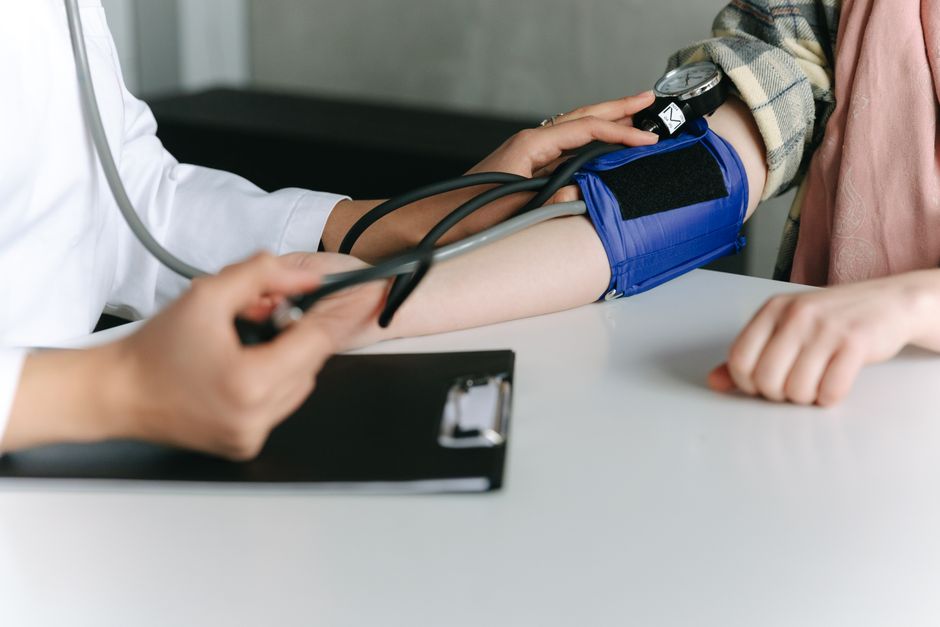
A sudden spike in blood pressure means your arteries are under more pressure than usual, often within minutes or hours. The most common causes are acute stress, pain, certain medications, caffeine, or an underlying medical condition that is not well controlled. For most people, a temporary spike is not an emergency, but repeated spikes can damage your heart, kidneys, and blood vessels over time.
What Would Cause My Blood Pressure To Spike?
Blood pressure naturally rises and falls throughout the day. It dips when you sleep and rises when you move or feel stressed. A spike is different — it is a sharp, noticeable increase above your usual range.
Several distinct triggers can cause this. Some are temporary and harmless. Others signal a problem that needs medical attention.
Acute Stress and Anxiety
Stress is one of the most common causes of a sudden blood pressure spike. When you perceive a threat, your body releases adrenaline and cortisol. These hormones make your heart beat faster and your blood vessels narrow. That narrowing raises the pressure inside your arteries.
This response is normal and protective in short bursts. It becomes a concern when stress is frequent or prolonged. People with chronic anxiety may see their blood pressure run consistently higher, with occasional sharp spikes during panic episodes.
Research consistently shows that relaxation techniques like slow breathing can lower blood pressure in the moment. But stress reduction alone rarely fixes chronically elevated blood pressure. If your blood pressure stays high, you need a medical evaluation.
Pain as a Trigger
Pain raises blood pressure. This is a direct physiological response, not a coincidence. Acute pain activates the sympathetic nervous system — the same system involved in the stress response.
Even moderate pain from a headache, injury, or recent surgery can push blood pressure up temporarily. Severe pain can cause dramatic spikes. Once the pain resolves, blood pressure usually returns to baseline.
If you have chronic pain, your blood pressure may run higher overall. Some research suggests that people with persistent pain are more likely to develop hypertension. Treating the underlying pain often helps improve blood pressure control.


Medications That Raise Blood Pressure
Several common medications can cause blood pressure to spike. This is often overlooked because people do not connect a new prescription to their rising numbers.
- NSAIDs — ibuprofen and naproxen can raise blood pressure by causing fluid retention
- Decongestants — pseudoephedrine narrows blood vessels
- Corticosteroids — cause sodium and fluid retention
- Birth control pills — can raise blood pressure in some women
- Antidepressants — some affect blood vessel tone
- Stimulants — including ADHD medications and weight loss drugs
Herbal supplements can also be a factor. Licorice root, ginseng, and ephedra have all been linked to blood pressure increases. Always tell your doctor about every medication and supplement you take — including ones you bought without a prescription.
Caffeine and Stimulant Intake
Caffeine causes a temporary rise in blood pressure. For people who do not consume it regularly, the effect can be noticeable within 30 minutes of drinking coffee or energy drinks. The increase typically lasts a few hours.
Regular caffeine users develop tolerance to this effect. Their blood pressure may not spike as dramatically. However, a large dose — like an energy drink combined with coffee — can still cause a significant rise.
Other stimulants have stronger effects. Cocaine and methamphetamine cause severe blood pressure spikes and can trigger strokes or heart attacks even in young, healthy people. These drugs constrict blood vessels intensely and make the heart work harder.
What You Eat and Drink
Diet affects blood pressure on two timelines. Some foods cause immediate changes. Others build up over days or weeks.
Salt is the most significant dietary factor. A high-sodium meal can raise blood pressure within hours in salt-sensitive people. The effect is stronger if you already have hypertension. Most Americans consume far more sodium than the recommended limit of 2,300 mg per day — roughly one teaspoon of salt.
Alcohol has a complex relationship with blood pressure. Small amounts may temporarily lower it. Binge drinking — four or more drinks in a short period — can cause a sharp spike. Regular heavy drinking keeps blood pressure elevated.
Dehydration can also cause blood pressure to drop, not spike. Low fluid volume reduces the pressure inside your arteries. If you are dehydrated and your blood pressure is high, the cause is likely something else.
Hidden Medical Conditions
Sometimes a blood pressure spike is a symptom of an underlying condition. These are less common than stress or diet, but they are more serious.
Sleep apnea causes repeated drops in oxygen during sleep. Each episode triggers a stress response that raises blood pressure. People with untreated sleep apnea often wake with high morning readings.
Thyroid disorders — particularly overactive thyroid — can raise blood pressure by increasing heart rate and cardiac output.
Kidney disease affects blood pressure because the kidneys regulate fluid balance and produce hormones that control blood vessel diameter. Damaged kidneys cannot perform these functions properly.
Primary aldosteronism is a hormonal condition where the adrenal glands produce too much aldosterone. This causes sodium retention and potassium loss, leading to high blood pressure that resists standard treatment.
Pheochromocytoma is a rare tumor of the adrenal gland that releases excess adrenaline. It causes dramatic, episodic blood pressure spikes accompanied by headache, sweating, and rapid heartbeat.
These conditions require specific testing to diagnose. If your blood pressure spikes without an obvious trigger, or if it stays high despite multiple medications, your doctor may investigate these causes.
Physical Activity and Positioning
Exercise raises blood pressure during the activity. This is normal. Your muscles need more oxygen, so your heart pumps harder and faster. Systolic pressure — the top number — can rise significantly during intense exercise.
Blood pressure normally returns to baseline within minutes after you stop. If it remains elevated long after exercise, that is a separate concern.
Body position also matters. Blood pressure is typically lower when you are lying down and higher when sitting or standing. This is why medical guidelines specify that readings should be taken while seated, feet flat on the floor, arm supported at heart level. Taking a reading immediately after standing up or during activity will give you a false spike.
How to Respond to a Spike
If you measure a single high reading, do not panic. One reading is not a diagnosis. Sit quietly for five minutes and take another measurement. Make sure the cuff is the right size and positioned correctly.
Seek emergency care if your blood pressure is very high — generally 180/120 or above — and you have symptoms. Those symptoms include chest pain, shortness of breath, severe headache, vision changes, or numbness or weakness on one side of the body. This combination suggests a hypertensive emergency, which requires immediate hospital treatment.
A reading of 180/120 without symptoms is still serious. Contact your doctor promptly. Do not wait days to address it.
For lower spikes — like 150/95 — monitor it. Check again later in the day and over the next few days. Track your numbers and bring that record to your doctor.
When to See a Doctor
Schedule an appointment if you notice a pattern of elevated readings. Normal blood pressure is below 120/80. Elevated blood pressure is 120-129 systolic with a diastolic under 80. Stage 1 hypertension starts at 130/80.
If your home readings are consistently above 130/80, you need a medical evaluation. Your doctor can determine whether the spikes are isolated events or part of a larger pattern. They can also check for underlying causes and recommend treatment.
Do not stop taking blood pressure medication on your own if you get a high reading. Stopping suddenly can cause blood pressure to rebound even higher. Talk to your doctor first.
Frequently Asked Questions
Can anxiety cause a sudden spike in blood pressure?
Yes. Anxiety triggers the release of stress hormones that narrow blood vessels and increase heart rate, which can raise blood pressure sharply. The spike usually subsides once the anxious episode passes.
How high is too high for a blood pressure spike?
A reading of 180/120 or above is considered a hypertensive crisis and requires immediate medical attention. If you have symptoms like chest pain, shortness of breath, or vision changes at that level, go to the emergency room.
Does caffeine cause blood pressure to spike?
Caffeine can cause a temporary rise in blood pressure, especially in people who do not consume it regularly. The effect typically appears within 30 minutes and lasts for a few hours.
Can dehydration cause high blood pressure?
No. Dehydration lowers blood volume, which usually causes blood pressure to drop rather than spike. If you are dehydrated and have high blood pressure, another cause is likely responsible.
