

Smoking is one of the most direct and preventable causes of high blood pressure. The nicotine in tobacco raises blood pressure immediately with every cigarette, and long-term smoking damages the blood vessels in ways that make persistent hypertension more likely. While a single cigarette causes a temporary spike, the cumulative damage from years of smoking is what pushes many smokers into chronic high blood pressure.
Does Smoking Cause High Blood Pressure?
Yes, smoking causes high blood pressure through two distinct mechanisms. The first is immediate and temporary. The second is slow and permanent.
Nicotine triggers the release of adrenaline. This narrows blood vessels and makes the heart beat faster. Within minutes of lighting up, blood pressure can rise by 10 to 20 points. This spike lasts about 30 minutes after the cigarette is finished.
The long-term damage is more serious. Smoking accelerates atherosclerosis, a condition where plaque builds up inside artery walls. As arteries stiffen and narrow, the heart must work harder to push blood through them. This raises resting blood pressure permanently.
How Nicotine Raises Blood Pressure in the Moment
Nicotine is a stimulant. When it enters the bloodstream, it signals the adrenal glands to release epinephrine and norepinephrine. These hormones cause blood vessels to constrict.
Constricted vessels mean less space for blood to flow. The heart responds by pumping harder and faster. The result is a measurable rise in both systolic and diastolic pressure.
This effect is not subtle. Studies using ambulatory blood pressure monitors have shown that smokers have higher average blood pressure readings during smoking hours than during sleep or non-smoking periods. The effect is so consistent that it can be measured within two minutes of inhaling.
One important detail: the temporary spike happens with every cigarette. A person who smokes 20 cigarettes a day experiences this vascular stress 20 times daily. Over months and years, the repeated strain damages the inner lining of the arteries, a condition called endothelial dysfunction.
Long-Term Arterial Damage and Stiffness
Chronic smoking changes the physical structure of blood vessels. The endothelium, the thin layer of cells lining the arteries, becomes less able to produce nitric oxide. Nitric oxide is the molecule that tells blood vessels to relax and widen.
Without adequate nitric oxide, arteries stay partially constricted. They also become stiffer. Stiff arteries resist blood flow more than elastic ones, so pressure inside the system climbs.
Smoking also promotes inflammation throughout the vascular system. Inflammatory markers rise, and white blood cells begin attacking the arterial wall. This is part of why smokers develop atherosclerosis at younger ages than non-smokers.
Over time, these changes become partly irreversible. Even after quitting, some arterial stiffness may remain. This is why prevention matters and why quitting earlier produces better cardiovascular outcomes than quitting later.


Secondhand Smoke and Blood Pressure
Secondhand smoke affects blood pressure too, though the effect is smaller than active smoking. Non-smokers exposed to secondhand smoke show measurable increases in blood pressure and heart rate within minutes of exposure.
Children exposed to secondhand smoke at home show higher blood pressure readings than children in smoke-free homes. Some research suggests the effect is modest but consistent, adding a few points to average readings.
The mechanism is the same as active smoking. Nicotine and other toxins in the smoke enter the bloodstream and trigger vasoconstriction. The difference is dose. Lower exposure means smaller spikes, but the damage still accumulates with regular exposure.
Smoking, Blood Pressure, and Cardiovascular Risk
The combination of smoking and high blood pressure is particularly dangerous. Each condition independently raises the risk of heart attack, stroke, and kidney disease. Together, they multiply the risk rather than simply adding to it.
Smoking reduces oxygen in the blood. Carbon monoxide from cigarette smoke binds to hemoglobin more readily than oxygen does. This means the heart must work even harder to deliver adequate oxygen to tissues, especially when blood pressure is already high.
Blood pressure medications also work less effectively in smokers. Some beta-blockers and calcium channel blockers are cleared from the body faster in smokers due to enzyme induction in the liver. This means a smoker may need higher medication doses to achieve the same blood pressure control as a non-smoker.
Vaping and Blood Pressure
Electronic cigarettes deliver nicotine, and nicotine raises blood pressure regardless of the delivery method. Studies measuring blood pressure before and after vaping show the same acute spike seen with cigarette smoking.
The long-term effects of vaping on blood pressure are less established. E-cigarettes have been widely used for a shorter period than combustible cigarettes, so decades of data do not yet exist.
What is known is concerning. Vaping aerosol contains ultrafine particles that can trigger inflammation. Some studies show increased arterial stiffness in regular vapers compared to non-users. The evidence is not as strong as for smoking, but it points in the same direction.
If you vape to quit smoking, the cardiovascular benefits of stopping cigarettes may outweigh the continued nicotine exposure. But vaping is not a neutral activity. It is a nicotine delivery system with its own vascular effects.
How Quickly Blood Pressure Improves After Quitting
Blood pressure begins improving quickly after the last cigarette. Within 20 minutes, heart rate drops toward normal. Within a few hours, the nicotine-induced vasoconstriction fades.
Within one to two weeks of quitting, circulation improves and blood pressure readings often drop noticeably. The full benefit takes longer. Arterial inflammation decreases over months, and some of the smoking-related stiffness may gradually improve.
Quitting smoking is one of the most effective single interventions for blood pressure control. For some people, the drop after quitting is enough to reduce or eliminate the need for blood pressure medication. This should always be managed with a doctor, as stopping medication without supervision can be dangerous.
Relapse is common. Many smokers attempt to quit multiple times before succeeding. Each quit attempt provides valuable information about triggers and coping strategies. Nicotine replacement therapy, prescription medications, and behavioral support all improve success rates when used together.
Monitoring Blood Pressure as a Smoker
If you smoke and have high blood pressure, home monitoring provides useful information that office readings miss. Blood pressure measured in a clinic can be artificially elevated due to white coat effect, but it can also be artificially normal if you smoked shortly before the visit.
For accurate readings, wait at least 30 minutes after smoking before measuring blood pressure. Otherwise, the reading reflects the acute nicotine spike rather than your true resting pressure.
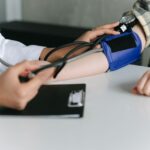
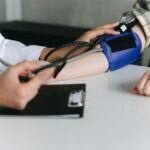
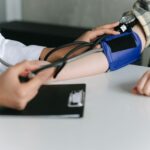
Home monitors should be validated for accuracy. The device should measure blood pressure in the upper arm, not the wrist or finger. Take readings at the same time each day, sitting quietly for five minutes beforehand, with your feet flat on the floor and your arm supported at heart level.
Frequently Asked Questions
Can quitting smoking reverse high blood pressure damage?
Quitting stops further damage and allows some reversal of blood pressure elevation, but not all arterial stiffness is fully reversible. The sooner you quit, the more recovery is possible.
Does chewing tobacco raise blood pressure like smoking?
Yes, smokeless tobacco delivers nicotine that raises blood pressure through the same mechanism. The acute spike is similar, and long-term use carries comparable cardiovascular risks.
Is it safe to use nicotine patches with high blood pressure?
Nicotine replacement therapy is generally considered safer than smoking for people with high blood pressure because it delivers nicotine without the thousands of other toxic chemicals in smoke. Still, blood pressure should be monitored, and a doctor should guide the decision.
How much does smoking raise blood pressure permanently?
Long-term smokers typically have resting blood pressure several points higher than non-smokers of the same age and weight. The exact amount varies by duration and intensity of smoking.
