
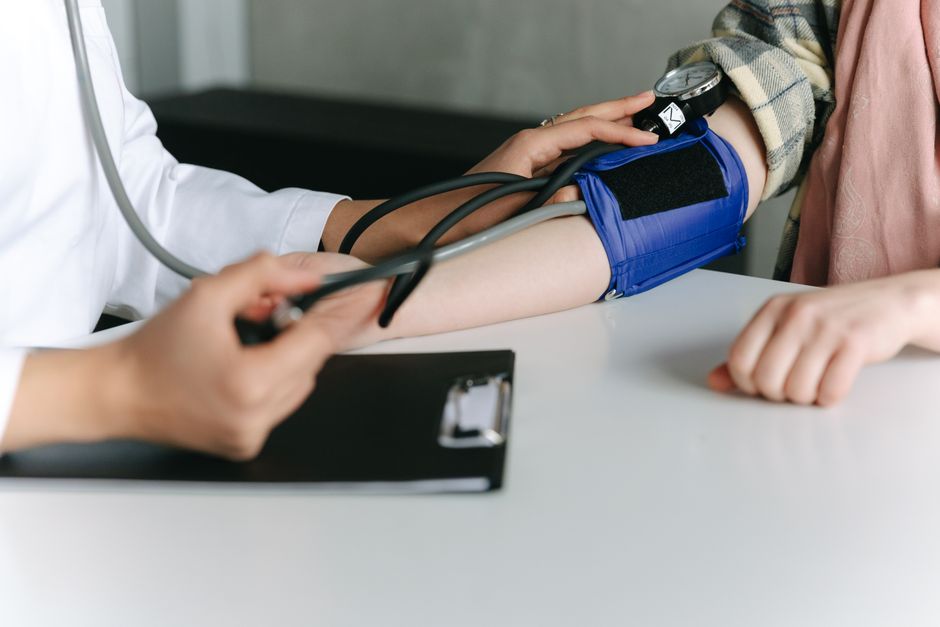
Blood pressure that is too low can quietly starve your brain, heart, and other organs of the blood they need. When the pressure falls far enough, oxygen delivery drops, and cells begin to suffer. For most healthy adults, low blood pressure is harmless — but when it causes symptoms or a sudden drop, it can signal a serious problem and, in severe cases, become a medical emergency.
Why Is Low Blood Pressure Dangerous To Your Health?
Low blood pressure becomes dangerous when it is low enough to reduce blood flow to your vital organs. Blood pressure is the force that pushes blood through your arteries. When that force drops too far, the brain and heart may not get enough oxygen-rich blood, even if your heart is beating normally.
The medical term for low blood pressure is hypotension. In general clinical terms, this is often described as a reading below 90/60 mmHg. But that number alone does not tell the whole story. Some people live their whole lives at 85/55 and feel perfectly fine. Others feel dizzy and faint at 100/65. The reading matters, but symptoms and context matter just as much.
The real danger comes in two forms. The first is a chronic low pressure that causes repeated symptoms — fainting, dizziness, blurred vision, fatigue. The second, and more urgent, is a sudden drop, which can signal shock, internal bleeding, severe infection, or a dangerous reaction. That kind of drop is a medical emergency.
What Counts As Dangerously Low Blood Pressure?
There is no single cutoff that defines danger for everyone. Clinicians generally consider a reading below 90/60 mmHg as low, but the threshold that matters is the one where your organs stop getting enough blood.
Doctors look at several things together:
- Your usual blood pressure — a drop from your normal is often more telling than the absolute number
- Whether you have symptoms like dizziness, fainting, or confusion
- Whether the drop happened suddenly or gradually
- Whether you are dehydrated, bleeding, or fighting an infection
A person who normally runs 120/80 and suddenly drops to 90/60 with symptoms is in a very different situation than someone who has always been at 90/60 with no complaints. The first needs urgent attention. The second may need nothing at all.
This is why a single number on a home monitor is not a diagnosis. It is one piece of information.
What Happens Inside Your Body When Pressure Drops?
Your body has built-in systems to keep blood flowing to the brain and heart, even when pressure changes. When you stand up, special sensors in your blood vessels detect the shift and signal your heart to beat faster and your vessels to tighten. This keeps blood moving upward against gravity.
When those systems fail or are overwhelmed, blood pools in your legs. Less blood returns to the heart, so less gets pumped out. The brain, sitting at the top of the body, is often the first organ to feel the shortage. That is why dizziness and fainting are common early signs.
If the shortage continues, other organs suffer. The kidneys, which need steady blood flow to filter waste, can start to struggle. The heart, which needs its own blood supply, can be affected too. In prolonged or severe cases, this can lead to organ damage — though this typically only happens in serious, sustained low-pressure situations like shock.
One detail worth understanding: blood pressure is not the same as blood flow. A person can have low pressure but adequate flow if their body has adapted. That is why two people with the same reading can feel completely different.

What Causes Low Blood Pressure?
Low blood pressure has many causes, and identifying the cause matters more than treating the number. Some causes are harmless. Others are serious.
Common causes include:
- Dehydration — less fluid in your body means less blood volume and lower pressure
- Medications — diuretics, some blood pressure drugs, certain antidepressants, and drugs for Parkinson’s disease can all lower pressure
- Heart problems — a very slow heart rate, valve problems, or heart failure can reduce how much blood the heart pumps
- Endocrine conditions — thyroid disease, adrenal insufficiency, and low blood sugar can affect pressure
- Severe infection — sepsis can cause a dangerous drop called septic shock
- Blood loss — internal or external bleeding reduces blood volume
- Severe allergic reaction — anaphylaxis can cause a rapid, dangerous drop
- Pregnancy — blood vessels relax during pregnancy, and pressure often runs lower
- Prolonged bed rest — can weaken the body’s ability to regulate pressure
Some people have what doctors call constitutional low blood pressure. It runs in families, causes no symptoms, and needs no treatment. It is simply their normal.
When Should You Take Low Blood Pressure Seriously?
You should treat low blood pressure as urgent when it comes with warning signs. These signals suggest your organs may not be getting enough blood.
Seek emergency care if you have:
- Fainting or loss of consciousness
- Confusion, trouble concentrating, or slurred speech
- Chest pain or shortness of breath
- Rapid or weak pulse
- Cold, clammy, pale, or bluish skin
- Very little urine output
- Severe dizziness that does not pass
These can point to shock, a life-threatening condition where organs are not getting enough blood. Shock is not the same as the emotional shock people talk about. It is a medical emergency that requires immediate treatment.
If your symptoms are milder — occasional lightheadedness when standing, mild fatigue — it is still worth mentioning to a doctor, especially if the pattern is new or getting worse. Timing matters. A symptom that started today is more concerning than one you have had for years.
How Is Low Blood Pressure Treated?
Treatment depends entirely on the cause and whether symptoms are present. If there are no symptoms and no underlying problem, no treatment is needed. This is common and not a reason for worry.
When treatment is needed, doctors usually address the root cause first. That might mean adjusting a medication, treating an infection, or replacing lost fluids. For people with chronic symptomatic low pressure, some clinicians recommend:
- Drinking more water throughout the day
- Increasing salt intake — but only under medical guidance, since too much salt can harm some people
- Wearing compression stockings to help blood return from the legs
- Standing up slowly and in stages
- Avoiding long periods of standing still
Medications to raise blood pressure exist, but they are usually reserved for cases where other steps have not worked. They are not appropriate for everyone, and they carry their own risks. Some clinicians recommend them for specific conditions like orthostatic hypotension, a form of low pressure that happens when standing.
The evidence for many lifestyle steps is based on established physiology and clinical practice rather than large trials. That does not make them wrong, but it does mean the strength of evidence varies. Your doctor can help you weigh the options for your situation.
Does Low Blood Pressure Affect Everyone The Same Way?
No. Age, overall health, and medications all change how low blood pressure affects a person. Older adults are often more sensitive to drops because the body’s pressure-regulating reflexes become less responsive with age. Certain medications, especially those for high blood pressure, can make a person more prone to symptoms.
Pregnancy is another case where low pressure is common and usually harmless. Blood vessels relax and widen during pregnancy, so pressure often runs lower than usual. But a sudden drop during pregnancy should still be checked, because it can sometimes signal a problem.
People with certain conditions — like diabetes or Parkinson’s disease — may be more prone to orthostatic hypotension, where pressure falls sharply when standing. This can raise the risk of falls and injuries.
The takeaway is that low blood pressure is not one thing. It is a range of situations, from completely normal to life-threatening. The context is what separates them.
Frequently Asked Questions
Is low blood pressure dangerous if I have no symptoms?
For most people, low blood pressure without symptoms is not dangerous and needs no treatment. It is often just a person’s normal reading.
What is considered dangerously low blood pressure?
Clinicians generally consider a reading below 90/60 mmHg as low, but the real danger is when pressure drops enough to reduce blood flow to organs. A sudden drop with symptoms like fainting or confusion is an emergency.
Can low blood pressure cause a heart attack or stroke?
Low blood pressure itself does not typically cause a heart attack or stroke. However, a severe drop that reduces blood flow to the heart or brain can cause serious damage and requires emergency care.
When should I go to the emergency room for low blood pressure?
Go to the emergency room if you faint, become confused, have chest pain, trouble breathing, or have cold, clammy skin. These signs can indicate shock, which is life-threatening.
