
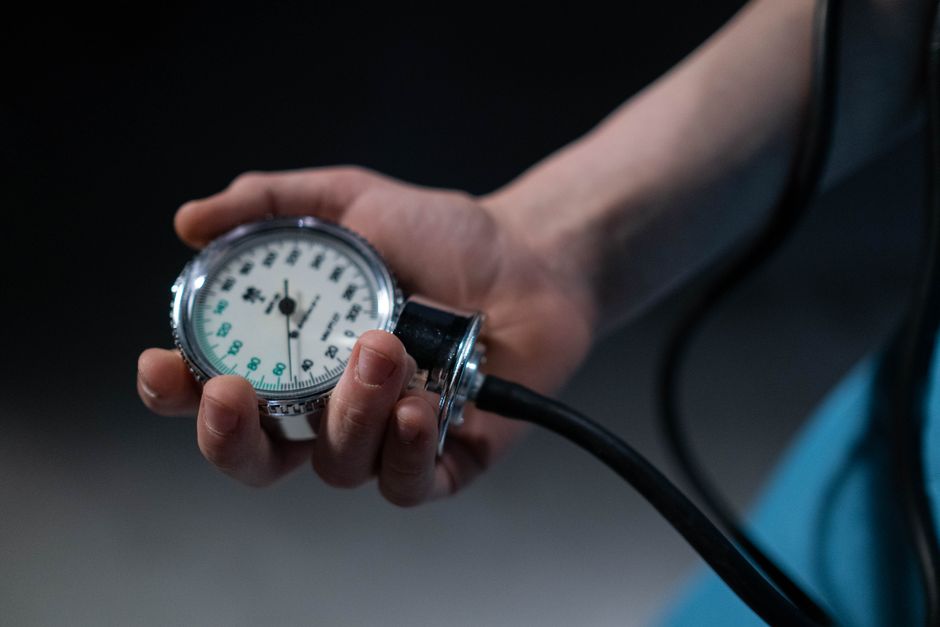
Managing chronic obstructive pulmonary disease (COPD) is a balancing act. You are watching your breathing, your oxygen levels, and your energy. But blood pressure matters just as much. Heart and lung problems often travel together. For someone with COPD, the target blood pressure range is generally the same as for the general public: below 120/80 mmHg. However, the bigger clinical question is avoiding blood pressure that is too low, because low pressure can be dangerous when your lungs are already struggling to deliver oxygen. The goal is a stable, healthy range that keeps blood flowing to your vital organs without putting extra strain on your heart.
Why Blood Pressure Matters More With COPD
COPD is a lung disease, but it changes your whole cardiovascular system. When your lungs cannot move air well, your blood oxygen levels can drop. Your heart has to work harder to pump that lower-oxygen blood around your body. Over time, this extra workload can strain the heart muscle.
High blood pressure forces the heart to pump against more resistance. When you combine that with the low oxygen levels common in COPD, the heart is doing double duty. This increases the risk of heart failure and other complications. Keeping blood pressure in a healthy range reduces that strain.
There is also a condition called cor pulmonale. This is a type of heart failure that starts on the right side of the heart. It happens when lung disease causes pressure to rise in the pulmonary arteries. High blood pressure in your body makes this condition worse. Controlling blood pressure is not just about a number on a cuff. It is about protecting the heart from the combined stress of lung disease and hypertension.
What The Clinical Guidelines Actually Say
Most major medical organizations recommend a blood pressure target of below 120/80 mmHg for most adults. This includes people with COPD. The old target of 140/90 is no longer considered optimal for most people. The lower target of 120/80 reflects newer research showing that lower blood pressure reduces the risk of heart attack, stroke, and heart failure.
For people with COPD, the same general target applies. There is no separate, special blood pressure range just because you have lung disease. The goal is the same: keep systolic pressure under 120 and diastolic pressure under 80.
That said, the treatment path to get there may look different. Some blood pressure medications can affect breathing or interact with COPD treatments. Your doctor may choose one class of medication over another based on your lung function and other health conditions.
The most important thing is not to stop taking blood pressure medication without talking to your doctor. Uncontrolled high blood pressure is a leading cause of heart attack and stroke. The risk of those events is higher when high blood pressure goes untreated.
Why Low Blood Pressure Is A Hidden Danger
Most people worry about high blood pressure. With COPD, low blood pressure deserves equal attention. When your blood oxygen is already low, your organs need adequate pressure to receive the oxygen they do get. If blood pressure drops too much, organs can be starved of oxygen even if your lungs are working.
Blood pressure below 90/60 mmHg is generally considered low. In someone with COPD, this can cause dizziness, fatigue, confusion, and an increased risk of falls. Low blood pressure can also be a sign that the heart is not pumping effectively, which is a serious concern in advanced COPD.
Some COPD medications can contribute to low blood pressure. Certain inhalers, especially those that relax the airways, can also relax blood vessels. This can cause blood pressure to drop. Dehydration, which is common in people who struggle with breathlessness and drinking fluids, can also lower blood pressure.
If you have COPD and your blood pressure readings are consistently below 90/60, talk to your doctor. This is not a number to ignore. It may indicate a need to adjust medications or address an underlying issue like dehydration or heart strain.

How COPD Medications Affect Blood Pressure
COPD is usually treated with inhaled bronchodilators and corticosteroids. Most of these medications have little direct effect on blood pressure. They work locally in the lungs. However, some systemic effects are possible.
Short-acting beta-agonists like albuterol can cause a temporary increase in heart rate. This can briefly raise blood pressure. For most people, this effect is minor and not dangerous. But if you have existing heart problems, it is worth monitoring.
Oral corticosteroids, which are sometimes used for COPD flare-ups, can raise blood pressure. They also cause fluid retention. This is why long-term use of oral steroids is avoided when possible. If you need frequent steroid courses, your doctor should monitor your blood pressure closely.
Theophylline, an older bronchodilator, can also increase heart rate and blood pressure. It is used less often today because of these side effects and the need for regular blood level monitoring. If you take it, your blood pressure should be checked regularly.
The key point is that COPD medications can influence blood pressure in both directions. Some raise it, some lower it. This is why regular monitoring matters. Your blood pressure can change when your COPD medications change.
What Blood Pressure Level Is Actually Dangerous In COPD
A single high reading is not an emergency. Blood pressure fluctuates throughout the day. It rises with activity and stress, and falls during sleep. What matters is the pattern over time.
Sustained readings above 130/80 mmHg are considered elevated. Readings consistently above 140/90 mmHg indicate hypertension. In someone with COPD, sustained high blood pressure increases the workload on the heart and worsens the long-term outlook.
On the low side, readings below 90/60 mmHg are concerning. This is especially true if you feel lightheaded, dizzy, or unusually fatigued. These symptoms mean your organs may not be getting enough blood flow.
There is a specific scenario that requires immediate medical attention. If your blood pressure drops suddenly and you feel short of breath, chest pain, or confusion, call for emergency help. This combination can signal a serious event like a heart attack or a pulmonary embolism. Do not wait to see if it passes.
How To Monitor Blood Pressure Correctly At Home
Home monitoring is valuable for anyone with COPD and high blood pressure. It gives your doctor a fuller picture than occasional office readings. But you have to measure correctly or the numbers are meaningless.
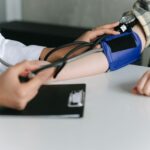
Use a validated upper-arm cuff monitor. Wrist monitors are less reliable. Sit quietly for five minutes before measuring. Do not drink caffeine or smoke for 30 minutes beforehand. Place the cuff on bare skin, not over clothing. Rest your arm on a flat surface at heart level. Take two readings one minute apart and record both.
Do not take readings immediately after using your inhaler. Wait at least 30 minutes. Inhalers can temporarily change heart rate and blood pressure. Taking a reading right after can give you a false number.
Keep a log of your readings. Bring it to every doctor’s appointment. Include the date, time, and any notes about how you felt. This helps your doctor see patterns and adjust treatment accordingly.
Lifestyle Changes That Help Both Conditions
Some lifestyle changes improve both COPD and blood pressure. These are the closest thing to a win-win in chronic disease management.
Pulmonary rehabilitation is one example. This is a structured program of exercise, education, and breathing techniques. It improves exercise capacity in COPD and can lower blood pressure. Many people assume they cannot exercise with COPD, but supervised rehabilitation is designed for exactly this situation.
A balanced diet helps both conditions. The DASH diet, which emphasizes fruits, vegetables, whole grains, and low-fat dairy, is proven to lower blood pressure. It also supports overall health. For COPD, maintaining a healthy weight is important. Being underweight is a risk factor for worse outcomes, and being overweight makes breathing harder.
Quitting smoking is the single most important step. Smoking raises blood pressure and damages lungs. Quitting does not reverse existing lung damage, but it slows further decline. It also reduces blood pressure within minutes to hours of the last cigarette.
Reducing salt intake helps blood pressure. This is straightforward advice, but it matters more when you have COPD. Some people with COPD retain fluid, and excess salt makes that worse. Fluid retention increases the workload on the heart.
When To Talk To Your Doctor
You should have your blood pressure checked at every medical visit. If you have never had it checked with your COPD diagnosis, schedule an appointment. High blood pressure often has no symptoms. You can feel fine and still have dangerously elevated pressure.
If you have been diagnosed with high blood pressure and COPD, you should have a treatment plan. This plan should include a blood pressure target, medication if needed, and a monitoring schedule. If you do not have such a plan, ask for one.
Contact your doctor if you notice a pattern of readings above 130/80. Also contact them if you have symptoms like dizziness, fainting, or severe fatigue with low readings. Do not adjust your blood pressure medication on your own. Changes should be guided by a healthcare professional who understands your full medical picture.
Frequently Asked Questions
Is the blood pressure target different for people with COPD?
No, the general target of below 120/80 mmHg applies to most adults with COPD. The main difference is that avoiding low blood pressure is especially important when lung function is already compromised.
Can COPD medications cause high blood pressure?
Most inhaled COPD medications have little effect on blood pressure, but oral corticosteroids can raise it. If you take oral steroids frequently, your blood pressure should be monitored regularly.
What blood pressure level is too low for someone with COPD?
Readings below 90/60 mmHg are generally considered low and should be discussed with a doctor. Dizziness, fatigue, or confusion with low readings warrants medical attention.
Should I take my blood pressure medication if I feel short of breath?
Do not stop any prescribed blood pressure medication without talking to your doctor. Sudden shortness of breath with chest pain or confusion requires emergency medical attention.
