
Lowering your blood pressure starts with the same core message: small, consistent lifestyle changes have the strongest proven impact. The most effective first steps are reducing daily sodium intake, increasing physical activity, and maintaining a healthy weight. For many people, these changes can lower systolic blood pressure by a meaningful amount within a few weeks, though medication remains essential for some.
What Blood Pressure Numbers Actually Mean
Blood pressure is measured in millimeters of mercury (mmHg) and recorded as two numbers. The top number, systolic pressure, measures the force when your heart beats. The bottom number, diastolic pressure, measures the force between beats when your heart rests.
Normal blood pressure is below 120/80 mmHg. Elevated blood pressure is 120-129 systolic with diastolic below 80. Stage 1 hypertension is 130-139 systolic or 80-89 diastolic. Stage 2 hypertension is 140/90 or higher. A hypertensive crisis is above 180/120 and requires immediate medical attention.
These categories come from established clinical guidelines. Your doctor may interpret them differently based on your age, existing conditions, or other risk factors. One high reading does not mean you have hypertension — blood pressure fluctuates throughout the day.
How To Drop Your Blood Pressure With Diet Changes
The DASH diet — Dietary Approaches to Stop Hypertension — is the most thoroughly studied eating pattern for lowering blood pressure. Research consistently shows it can reduce systolic blood pressure by several points within weeks. The diet emphasizes vegetables, fruits, whole grains, lean protein, and low-fat dairy while limiting saturated fat and sugar.
Potassium is a key player. It helps your kidneys flush excess sodium from your body and eases tension in blood vessel walls. Good sources include bananas, potatoes, spinach, beans, and yogurt. Most adults need about 3,500-5,000 mg of potassium daily, but people with kidney disease should not increase potassium without medical guidance.
Sodium reduction matters most for people who are salt-sensitive, which includes many older adults and people of African descent. Cutting sodium from about 3,500 mg to under 2,300 mg per day can lower systolic blood pressure by roughly 5-6 mmHg in this group. The effect is smaller in younger, salt-resistant individuals.
Alcohol affects blood pressure directly. Heavy drinking — more than two drinks daily for men or one for women — raises blood pressure. Reducing alcohol intake can lower systolic pressure by about 4 mmHg. Even moderate drinkers may see improvement with reduction.
Exercise: The Fastest Acting Natural Approach
Physical activity lowers blood pressure through multiple mechanisms. Exercise makes your heart stronger, so it pumps more blood with less effort. It also improves blood vessel flexibility and reduces stress hormones that constrict arteries.
Aerobic exercise — walking, cycling, swimming, jogging — produces the most consistent blood pressure reductions. Studies show that 150 minutes per week of moderate-intensity aerobic activity can lower systolic blood pressure by 5-8 mmHg. This effect appears within weeks of starting a regular program.
Isometric exercises also show benefit. Handgrip exercises and wall squats have produced meaningful reductions in some studies. These may be useful additions but should not replace aerobic activity.
Resistance training helps too, though the effect is slightly smaller. Two to three sessions per week of moderate resistance training can lower blood pressure by 2-4 mmHg. The key is consistency — blood pressure benefits fade within weeks of stopping exercise.

Weight Loss and Its Direct Effect on Blood Pressure
Excess body weight forces your heart to work harder. Every pound of fat requires blood vessels to supply oxygen and nutrients, increasing the total volume of blood your heart must pump. This raises pressure on your artery walls.
Weight loss produces one of the most predictable blood pressure responses of any lifestyle change. For every kilogram — about 2.2 pounds — of weight lost, systolic blood pressure drops by roughly 1 mmHg. This means losing 10 pounds can lower systolic pressure by about 4-5 mmHg.
The effect is strongest in the first months of weight loss. Belly fat — visceral adipose tissue — is particularly associated with high blood pressure because it releases inflammatory substances that constrict blood vessels. Reducing waist circumference often improves blood pressure even before significant weight loss occurs.
Stress Management and Sleep Quality
Acute stress raises blood pressure temporarily. When you are stressed, your body releases cortisol and adrenaline, which increase heart rate and constrict blood vessels. Chronic stress may contribute to sustained hypertension, though the relationship is complex and individual.
Deep breathing exercises can produce short-term blood pressure reductions. Slow, rhythmic breathing — about six breaths per minute — activates the parasympathetic nervous system, which relaxes blood vessels. The effect lasts for minutes to hours, not days.
Sleep quality matters more than most people realize. Poor sleep, especially sleep apnea, is strongly linked to hypertension. During deep sleep, blood pressure naturally drops. Interrupted sleep prevents this dip, keeping pressure elevated through the night and into the morning.
Obstructive sleep apnea is a common cause of resistant hypertension. If you snore heavily, wake gasping, or feel exhausted despite full sleep hours, ask your doctor about a sleep study. Treatment with CPAP can significantly lower blood pressure in people with confirmed sleep apnea.
Supplements and Natural Products: What Evidence Shows
The supplement market is full of blood pressure claims, but the evidence is mixed. Some products show modest effects in small studies. None replace proven lifestyle changes or prescribed medication.
Hibiscus tea has shown small but consistent blood pressure reductions in several trials. The effect appears related to anthocyanins, compounds that help blood vessels relax. Reductions of 4-7 mmHg systolic have been reported in some studies, though most were small and short-term.
Garlic extract has also been studied. Some research suggests aged garlic extract can lower blood pressure modestly, particularly in people with hypertension. The effect is small — roughly 4-5 mmHg systolic — and not all studies agree.
Coenzyme Q10, omega-3 fatty acids, and beetroot juice have all been investigated. Beetroot juice is rich in nitrates, which your body converts to nitric oxide, a potent blood vessel relaxer. Some studies show meaningful acute reductions, but long-term data is limited.
No supplement has been proven to cure hypertension. If you take supplements, tell your doctor. Some interact with blood pressure medications and can cause dangerous side effects.
When Lifestyle Changes Are Not Enough
Some people need medication regardless of lifestyle changes. This is not a failure. Genetics, age, and existing kidney or heart conditions often determine blood pressure more than lifestyle alone.
Common blood pressure medications include ACE inhibitors, ARBs, calcium channel blockers, and diuretics. Each works through a different mechanism. Your doctor may start with one medication or combine two at low doses.
If lifestyle changes lower your blood pressure enough, your doctor may reduce or stop your medication. Never stop blood pressure medication on your own. Stopping suddenly can cause dangerous spikes in pressure.
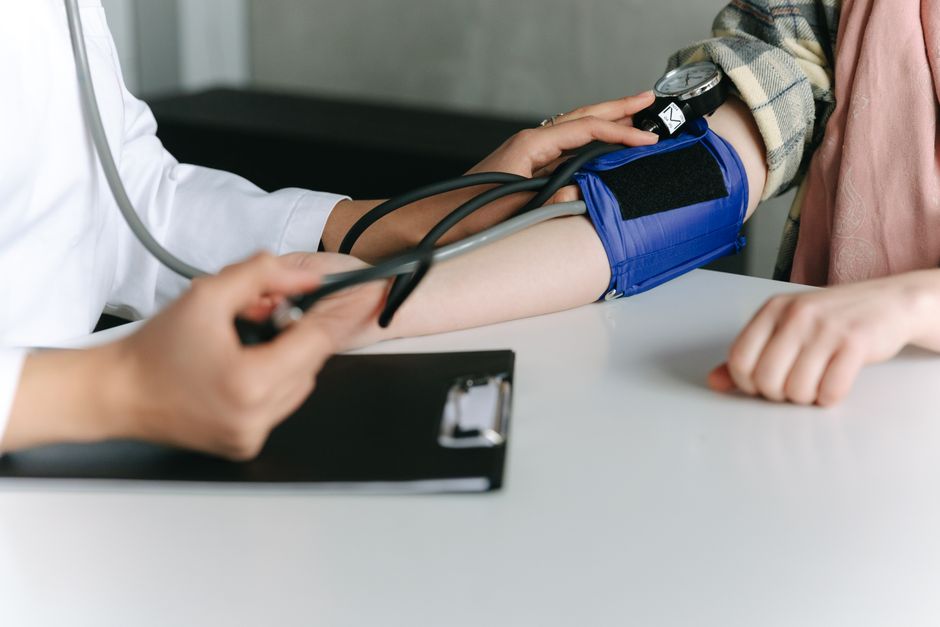
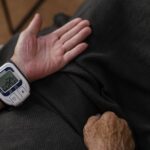
Home monitoring helps track progress. Use a validated upper-arm cuff, sit quietly for five minutes before measuring, and take readings at the same time each day. Bring your home readings to medical appointments — they often provide a more accurate picture than office readings alone.
Frequently Asked Questions
How quickly can lifestyle changes lower blood pressure?
Some changes, like reducing sodium or starting exercise, can lower blood pressure within two to four weeks. Weight loss effects accumulate over months as pounds come off.
Can drinking more water lower blood pressure?
Dehydration can cause low blood pressure, but drinking extra water does not lower high blood pressure. Staying adequately hydrated supports normal circulation but is not a treatment for hypertension.
Does coffee raise blood pressure permanently?
Caffeine causes a temporary spike in blood pressure that lasts a few hours, but regular coffee drinkers develop tolerance. Long-term coffee consumption is not consistently linked to chronic hypertension.
When should I take my blood pressure medication?
Take it at the same time every day as prescribed. Some research suggests evening dosing may improve nighttime blood pressure control, but follow your doctor’s specific instructions rather than changing timing on your own.
