
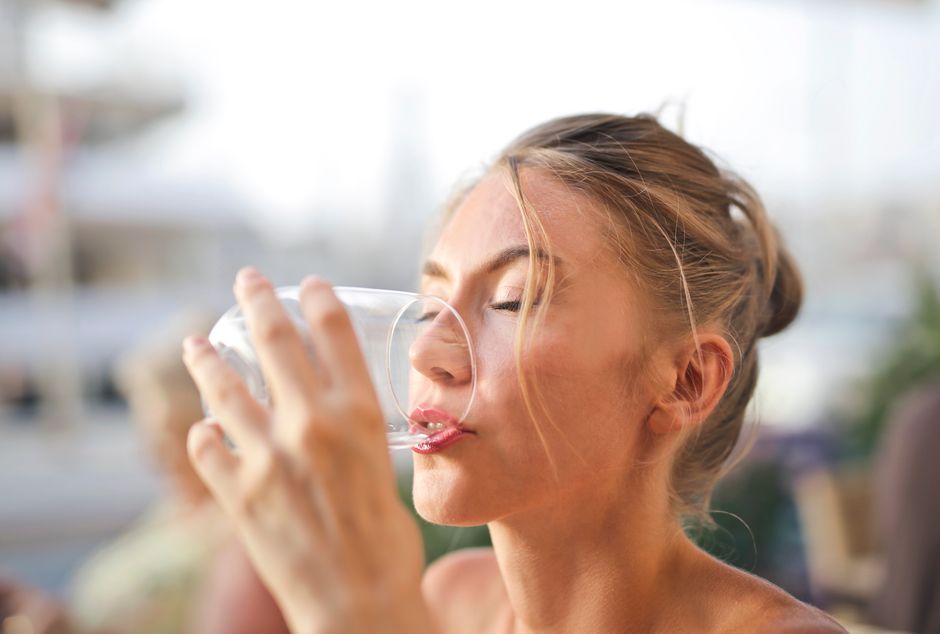
Does Alcohol Lower Blood Pressure Immediately?
Yes, a single drink can cause a small, temporary dip in blood pressure. This usually happens within a few hours of drinking. The effect is most noticeable one to two hours after consumption.
The drop happens because alcohol relaxes the smooth muscle in blood vessel walls. This widening of blood vessels is called vasodilation. When vessels widen, there is less resistance to blood flow, so pressure falls.
This effect is modest. It is not a reason to drink for cardiovascular benefit. The temporary drop does not improve heart health and fades quickly.
What Happens to Blood Pressure After the Initial Drop?
As the body breaks down alcohol, blood pressure tends to rise. This rebound effect can push readings above your normal level. The rise can last for several hours after the initial drop.
The pattern is consistent in research. Studies using ambulatory blood pressure monitors—devices that track pressure over 24 hours—show that blood pressure is lower in the first hours after drinking, then climbs higher than baseline later in the day or overnight.
For someone who drinks regularly, these daily swings add up. Repeated cycles of drop and rebound put strain on blood vessels over months and years.
Does Regular Drinking Raise Blood Pressure Long-Term?
Research consistently shows that regular alcohol consumption raises average blood pressure. This is true even at moderate drinking levels.
The relationship between alcohol and blood pressure follows a clear pattern. The more a person drinks on a regular basis, the higher their average blood pressure tends to be. This holds true across different populations and age groups.
Heavy drinking has the strongest effect. People who drink heavily often develop sustained hypertension—blood pressure at or above 130/80 mmHg. Reducing intake can lower readings, and stopping entirely often produces the most significant improvement.
Even light to moderate drinking—one drink a day for women, two for men—is associated with small increases in blood pressure in some studies. The idea that moderate drinking protects the heart has been challenged by newer research that accounts for other lifestyle factors.


How Much Alcohol Affects Blood Pressure
The amount matters. A standard drink is defined as:
- 12 ounces of beer (about 5% alcohol)
- 5 ounces of wine (about 12% alcohol)
- 1.5 ounces of distilled spirits (about 40% alcohol)
Binge drinking—defined as four or more drinks in about two hours for women, and five or more for men—causes a sharper rise in blood pressure. The effect can last for days after a single episode.
Regular heavy drinking is the clearest risk. It can raise systolic blood pressure (the top number) by several points. That increase is enough to move someone from normal range into elevated or hypertensive range.
Cutting back helps. Studies show that reducing alcohol intake lowers blood pressure in people who drink heavily. The effect appears within weeks of reducing consumption.
Who Should Be Most Careful With Alcohol and Blood Pressure
People with existing hypertension should be especially cautious. Alcohol can interfere with blood pressure medications, making them less effective.
Some blood pressure medications interact with alcohol in dangerous ways. Beta-blockers and calcium channel blockers can amplify alcohol’s effects on the heart and blood vessels. This combination can cause dizziness, fainting, or dangerously low blood pressure.
People taking any blood pressure medication should ask their doctor whether alcohol is safe for them. The answer depends on the specific medication and the person’s overall health.
Pregnant women should not drink alcohol at all. This is a firm recommendation from medical authorities due to risk of fetal alcohol spectrum disorders.
People with liver disease, pancreatitis, or a history of alcohol use disorder should avoid alcohol entirely. These conditions make alcohol’s effects on the body more dangerous.
Does Alcohol Affect Blood Pressure Differently by Age or Sex?
Age changes how alcohol affects blood pressure. Older adults tend to experience larger blood pressure increases from alcohol than younger people. This may be because blood vessels become stiffer with age and less able to adapt to alcohol’s effects.
Sex differences also exist. Women generally reach higher blood alcohol concentrations than men after drinking the same amount. This is because women typically have less body water and lower levels of the enzyme that breaks down alcohol.
Some research suggests that women may be more sensitive to alcohol’s blood pressure effects than men. The evidence is not conclusive, but it is consistent with other known differences in how men and women metabolize alcohol.
Postmenopausal women may face additional risk. Estrogen loss is already linked to higher blood pressure, and alcohol may compound this effect.
Can Quitting Drinking Reverse High Blood Pressure?
Yes, for many people. Studies show that stopping alcohol use can lower blood pressure in people who drink regularly.
The improvement can be meaningful. People who quit heavy drinking often see their systolic blood pressure drop by several points. Those with hypertension may see their readings return to normal range without medication.
The timeline varies. Some people see improvement within weeks. Others need several months of abstinence before blood pressure stabilizes.
For people who do not have hypertension, quitting drinking can help prevent it from developing. This is especially true for those with other risk factors, such as family history, obesity, or a sedentary lifestyle.
Quitting is not always easy. Alcohol withdrawal can itself raise blood pressure temporarily. People who drink heavily should talk to a doctor before stopping, as withdrawal can be dangerous and sometimes requires medical supervision.
What Is the Safest Approach to Alcohol and Blood Pressure?
The safest approach for blood pressure is not to drink at all. This is the most direct answer.
For people who choose to drink, the current guidance is to limit intake. Moderation means no more than one drink per day for women and two for men. These are not recommendations to start drinking—they are limits for people who already drink.
Even at these levels, alcohol can have a small effect on blood pressure. People with hypertension or prehypertension should be especially mindful.
Monitoring blood pressure at home can help. Taking readings at the same time each day, before drinking, gives a clearer picture of how alcohol affects you personally. If readings trend upward on days you drink, that is useful information to share with your doctor.
Frequently Asked Questions
Does alcohol lower blood pressure permanently?
No. Any blood pressure reduction from alcohol is temporary and lasts only hours. Regular drinking raises average blood pressure over time.
How long does alcohol lower blood pressure?
The lowering effect typically appears within one to two hours after drinking and lasts a few hours. After that, blood pressure often rises above baseline.
Can I drink alcohol while taking blood pressure medication?
Ask your doctor. Some blood pressure medications interact with alcohol and can cause dangerous drops in blood pressure, dizziness, or fainting.
Will stopping alcohol lower my blood pressure?
For many people, yes. Reducing or stopping alcohol intake can lower blood pressure, especially in people who drink heavily or regularly.
