

Blood pressure is measured with a device called a sphygmomanometer, which most people know as a blood pressure cuff. The cuff inflates to stop blood flow in your arm, then slowly deflates while a gauge records two numbers: systolic pressure (the top number) and diastolic pressure (the bottom number). Systolic pressure measures the force of blood against your artery walls when your heart beats. Diastolic pressure measures that same force when your heart rests between beats. The numbers are written as systolic over diastolic, like 120/80, and both are measured in millimeters of mercury (mmHg).
How Does a Blood Pressure Reading Actually Work?
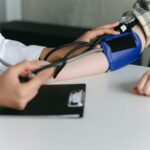
Your blood pressure reading depends on a simple physical principle. When the cuff inflates, it squeezes your upper arm hard enough to temporarily stop blood flow through the brachial artery. As the cuff releases pressure, a healthcare provider listens with a stethoscope or a device detects the moment blood starts flowing again.
The first sound of blood pulsing through the artery is your systolic pressure. That is the peak pressure when your heart contracts. When the sound disappears completely, blood is flowing smoothly without turbulence, and that is your diastolic pressure. This is the pressure in your arteries when your heart is relaxed and refilling with blood.
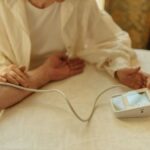
Automatic home monitors work on the same principle but use sensors instead of a stethoscope. They detect the vibrations of blood moving through the artery and calculate both numbers electronically. Home monitors are generally accurate when used correctly, but they can vary between brands and models.
What Do the Numbers Mean for Your Health?
Blood pressure categories are defined by clinical guidelines. A normal reading is below 120/80 mmHg. Elevated blood pressure is a systolic reading between 120 and 129 with a diastolic below 80. Stage 1 hypertension is 130 to 139 systolic or 80 to 89 diastolic. Stage 2 hypertension is 140 or higher systolic or 90 or higher diastolic.
A hypertensive crisis is a reading above 180/120. This requires immediate medical attention, especially if accompanied by symptoms like chest pain, shortness of breath, back pain, numbness, or vision changes.
These numbers matter because sustained high blood pressure damages your arteries over time. The extra force of blood against artery walls causes microscopic tears. Your body repairs these tears with scar tissue, which traps cholesterol and other substances. Over years, this narrows your arteries and makes the heart work harder. This increases your risk of heart attack, stroke, kidney damage, and vision loss.
Why One Reading Is Not Enough
A single blood pressure reading does not diagnose hypertension. Blood pressure naturally fluctuates throughout the day. It rises with physical activity, stress, pain, and even the simple act of talking. It falls during sleep and deep relaxation.
White coat hypertension is a well-documented phenomenon. Some people have consistently higher readings in a medical setting simply because being in a doctor’s office makes them anxious. The opposite also exists, called masked hypertension, where readings are normal in the clinic but elevated during daily life.
This is why healthcare providers rarely rely on one reading. They typically confirm an elevated reading with additional measurements over time. Home monitoring is often recommended to get a truer picture of your average blood pressure. If you monitor at home, take readings at the same time each day, sit quietly for five minutes first, and keep your feet flat on the floor with your arm supported at heart level.
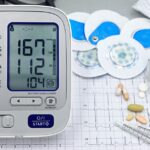
How Blood Pressure Is Measured And What The Numbers Mean in Practice
When you sit for a blood pressure measurement, position matters. Your back should be supported, your feet flat on the floor, and your arm resting on a table at heart level. The cuff should be placed on bare skin, not over clothing. The correct cuff size is important — a cuff that is too small can give a falsely high reading, and one that is too large can give a falsely low reading.
The numbers themselves tell your healthcare provider how hard your heart is working and how much resistance your arteries are creating. A reading of 120/80 is considered optimal for most adults. The systolic number tends to rise with age as arteries become stiffer. The diastolic number typically rises until around age 55, then often levels off or declines.
Blood pressure is not static. It changes minute to minute based on your body’s needs. A single reading is a snapshot, not a full picture. That is why trends matter more than any one measurement. Your healthcare provider looks at patterns over weeks and months to make decisions about treatment.
Can You Trust Home Blood Pressure Monitors?
Home monitors are useful tools, but they have limitations. Upper arm monitors are generally more accurate than wrist monitors. Wrist monitors are sensitive to wrist position and are not recommended for most people. Finger monitors are not considered reliable and are not recommended.
When choosing a home monitor, look for one that has been validated for accuracy. Some research suggests that many home monitors on the market have not been clinically validated. The American Medical Association and other organizations maintain lists of validated devices.
Even a good monitor gives incorrect readings if you use it wrong. Common errors include smoking or drinking caffeine within 30 minutes of measurement, having a full bladder, crossing your legs, or talking during the reading. Any of these can raise your reading by 5 to 10 mmHg.
What Is a Normal Blood Pressure by Age?
There is no separate “normal” blood pressure for each age group in current guidelines. The same categories apply to adults of all ages. A normal reading is below 120/80 regardless of whether you are 35 or 75.
That said, blood pressure naturally trends upward with age. Arteries stiffen over time, which increases systolic pressure. This is why hypertension becomes more common in older adults. But higher readings are not considered acceptable at any age. Treatment decisions may differ based on age and other health conditions, but the definition of normal does not change.
For children and teenagers, blood pressure standards are different. They are based on age, sex, and height percentile. Pediatric blood pressure is not interpreted using adult categories.
How Often Should You Check Your Blood Pressure?
For adults with normal blood pressure under 120/80, checking every one to two years at a routine visit is reasonable. If you have elevated blood pressure or risk factors like diabetes, kidney disease, or a family history of hypertension, your healthcare provider may recommend more frequent checks.
If you have been diagnosed with hypertension, home monitoring is often recommended. A typical schedule is twice daily — once in the morning before medication and once in the evening. Take two or three readings one minute apart and record the average.
Blood pressure changes over time, and guidelines are periodically updated. What was considered normal twenty years ago may not be normal today. The most important thing is to know your numbers and discuss them with your healthcare provider.
When Should You Seek Immediate Care?
A single high reading does not mean you are in danger. Blood pressure spikes are common and usually temporary. However, a reading of 180/120 or higher that stays high on a repeat measurement after a few minutes is a hypertensive emergency.
Seek emergency care if that reading is accompanied by chest pain, shortness of breath, severe headache, vision changes, weakness on one side of the body, difficulty speaking, or back pain. These symptoms can indicate organ damage that requires immediate treatment.
If your home monitor shows a high reading but you feel fine, rest for five minutes and check again. If it is still high, contact your healthcare provider for guidance. Do not stop or adjust blood pressure medications on your own based on a single reading.
Frequently Asked Questions
What is a dangerous blood pressure level?
A reading of 180/120 or higher is considered a hypertensive crisis and requires immediate medical attention. If you have symptoms like chest pain or shortness of breath with that reading, go to an emergency room.
Why is one arm blood pressure higher than the other?
Small differences between arms are normal. A difference of more than 10 mmHg in the systolic number may indicate narrowing of an artery and should be evaluated by a healthcare provider.
Can you measure blood pressure without a cuff?
Smartwatches and fitness trackers are being developed to measure blood pressure, but current technology is not accurate enough to replace a cuff. Cuff-based measurement remains the standard for diagnosis and monitoring.
Does caffeine raise blood pressure?
Yes, caffeine can cause a temporary increase in blood pressure. The effect is usually short-lived and varies between individuals, but it is enough to affect a reading taken within 30 minutes of consumption.
