
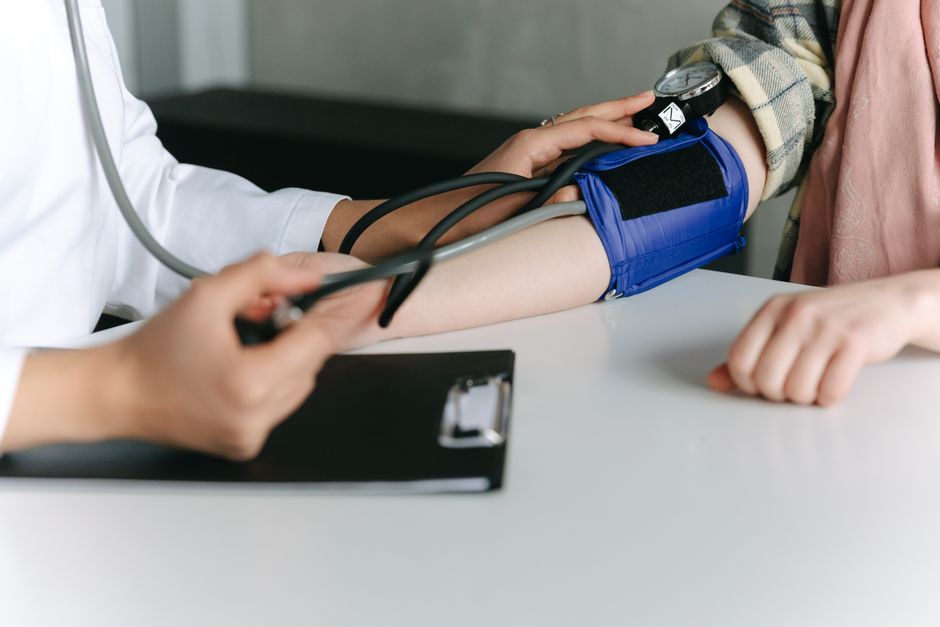
Waking up to a high blood pressure reading can feel alarming, especially when your numbers were normal the rest of the day. This pattern is so common it has a clinical name: morning surge. For most people, a modest rise in blood pressure after waking is a normal part of the body’s daily rhythm. But when that morning reading stays high, it can signal an underlying issue worth addressing. The root causes usually come down to your body’s natural hormone cycles, how well you slept, and sometimes the medications you take.
Why Is My Blood Pressure High In The Mornings
Your blood pressure follows a daily pattern called the circadian rhythm. It dips to its lowest point during deep sleep, usually in the early hours of the night. Then it begins climbing in the hours before you wake. This rise is driven by the body’s release of stress hormones, primarily cortisol and adrenaline. These hormones prepare you for the day by increasing heart rate and narrowing blood vessels. For many people, this natural surge pushes the morning reading higher than any other time of day.
The surge itself is not the problem. The problem is when the morning peak is steep or when the baseline pressure is already elevated. Research consistently shows that blood pressure is at its highest between 6 a.m. and noon for most adults. This is also the time of day when heart attacks and strokes are most likely to occur. The exact reason for this link is still being studied, but the morning surge is considered a contributing factor.
If your morning readings are consistently above 130/80 mmHg, it is worth understanding what may be driving them. A single high reading is not a diagnosis. A pattern of high readings across several days is different and deserves attention.
What Causes the Morning Blood Pressure Surge?
The body’s internal clock is the primary driver. As you transition from sleep to wakefulness, the nervous system shifts from a resting state to an active one. This shift triggers the release of norepinephrine and epinephrine. These hormones cause blood vessels to constrict and the heart to pump with more force. The result is a rapid increase in blood pressure that peaks shortly after waking.
Another factor is the drop in blood pressure that happens during sleep. If your blood pressure does not dip enough at night, a condition called non-dipping, your morning surge may be especially steep. Some people experience the opposite pattern, where blood pressure stays high overnight. In both cases, the morning readings can be misleadingly high.
Sleep quality also plays a role. Poor sleep, interrupted sleep, or sleep apnea can blunt the normal nighttime dip. When the body does not get the restorative rest it needs, the morning surge can be more pronounced. This is one reason why people with untreated sleep apnea often have high morning blood pressure.
Can Medications Affect Morning Blood Pressure?
Yes, medication timing is a common and often overlooked cause. Many blood pressure medications are taken once daily, usually in the morning. If the medication wears off before the next dose, blood pressure can climb in the early morning hours. This is called the “gap effect” or “trough effect.” The medication is most effective a few hours after you take it and least effective right before the next dose.
Some clinicians recommend taking blood pressure medication at bedtime instead of in the morning. The idea is that overnight dosing may better control the morning surge. Some studies suggest this approach improves blood pressure control overall, but results are mixed. The evidence does not clearly favor one timing over the other for everyone. If you take blood pressure medication, talk to your doctor about when you take it. Do not change the timing on your own.
Certain over-the-counter drugs can also raise morning blood pressure. Nonsteroidal anti-inflammatory drugs like ibuprofen and naproxen can increase blood pressure. Decongestants found in cold medicines can do the same. If you use these regularly, they may be contributing to your morning readings.
How Does Sleep Apnea Raise Morning Blood Pressure?
Obstructive sleep apnea is one of the most common underlying causes of high morning blood pressure. During apnea episodes, breathing stops briefly while you sleep. Each pause drops your blood oxygen level. Your brain senses the danger and sends out a burst of stress hormones. These hormones spike your blood pressure and force you to partially awaken. This can happen dozens of times per hour.
Each episode is like a mini alarm going off in your body. The repeated stress hormone surges prevent your blood pressure from dipping normally at night. Over time, this pattern can reset your baseline blood pressure upward. People with untreated sleep apnea often wake up with headaches, dry mouth, and high blood pressure readings.
Common signs of sleep apnea include loud snoring, gasping during sleep, and excessive daytime sleepiness. If you have these symptoms along with high morning blood pressure, ask your doctor about a sleep study. Treating sleep apnea with a CPAP machine often lowers morning blood pressure significantly. Some people see their readings drop within weeks of starting treatment.
What Lifestyle Factors Contribute to Morning Hypertension?
Evening habits can directly influence your next-morning reading. A high-salt meal the night before can cause fluid retention, which raises blood pressure the following morning. Alcohol is another factor. While alcohol can lower blood pressure initially, it can cause a rebound increase later in the night and into the morning. Caffeine has a similar effect for some people, especially if consumed late in the day.
Stress is harder to measure but just as real. High levels of chronic stress keep the nervous system on alert. This can amplify the natural morning surge. People who wake up already worrying about the day may see higher readings than those who wake up calm.
Dehydration can also play a role. Low fluid volume makes the blood thicker and harder to pump. Some people wake up mildly dehydrated after many hours without water. This can contribute to a higher morning reading. Drinking water shortly after waking may help, but it will not fix the problem if other causes are at play.
How Should You Measure Morning Blood Pressure Correctly?
Getting an accurate morning reading matters more than you might think. Many people measure their blood pressure at the wrong time or in the wrong conditions. This leads to readings that are artificially high and causes unnecessary worry.
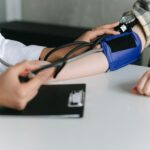
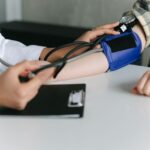
Take your reading within one hour of waking. Do it before you eat breakfast or take your medication. Sit quietly for five minutes first. Place the cuff on a bare arm at heart level. Do not talk during the measurement. Your feet should be flat on the floor and your back supported. Take two readings one minute apart and record both.
Do not measure immediately after waking up in bed. The body needs a few minutes to adjust to being upright. Do not measure after exercise, a hot shower, or coffee. These activities raise blood pressure temporarily and will give you a misleading number. If your home readings are consistently high, bring your log to your doctor. A single office reading is not enough to diagnose or adjust treatment.
When Should You Be Concerned About Morning Blood Pressure?
A morning reading above 180/120 mmHg is a hypertensive crisis. If you also have chest pain, shortness of breath, vision changes, or weakness on one side of your body, seek emergency care immediately. These symptoms can indicate a stroke or heart attack.
Readings between 130 and 180 systolic that are consistently high in the morning still need attention, but they are not an emergency. The concern is long-term damage. Sustained high blood pressure strains the heart, kidneys, and blood vessels. Over years, this can lead to heart disease, kidney failure, and cognitive decline.
If your morning readings are high but your daytime readings are normal, you still need to take it seriously. This pattern, called morning hypertension, is associated with increased cardiovascular risk even when other readings are controlled. Your doctor may recommend a 24-hour ambulatory blood pressure monitor. This device takes readings throughout the day and night to capture the full picture.
What Steps Can Help Lower Morning Blood Pressure?
Addressing the root cause is the most effective approach. If you have sleep apnea, treating it is the priority. If your medication wears off overnight, your doctor may adjust the dose, change the timing, or add a second medication. If lifestyle factors are driving the surge, small changes can help.
Reduce salt intake, especially in the evening. Limit alcohol to no more than one drink per day for women and two for men. Keep a consistent sleep schedule. Go to bed and wake up at the same time every day, even on weekends. Regular aerobic exercise, such as brisk walking for 30 minutes most days, helps lower blood pressure over time.
Some research suggests that a short period of relaxation or slow breathing after waking can blunt the morning surge. This is not a substitute for medical treatment, but it is a low-risk addition to your routine. The evidence for this approach is limited, but it is unlikely to cause harm.
Frequently Asked Questions
Is it normal for blood pressure to be higher in the morning?
Yes, a modest rise in blood pressure after waking is normal due to natural hormone surges. The concern is when morning readings are consistently above 130/80 mmHg.
Can stress cause high blood pressure in the morning?
Yes, chronic stress keeps the nervous system on alert and can amplify the natural morning surge. Waking up already stressed can push readings higher than they would otherwise be.
Should I take my blood pressure medication in the morning or at night?
Evidence on the best timing is mixed, and the right choice depends on your individual pattern. Talk to your doctor about your readings and do not change your medication timing on your own.
Does sleep apnea cause high morning blood pressure?
Yes, untreated sleep apnea is a common cause of high morning blood pressure. Treating it with a CPAP machine often lowers morning readings significantly.
