
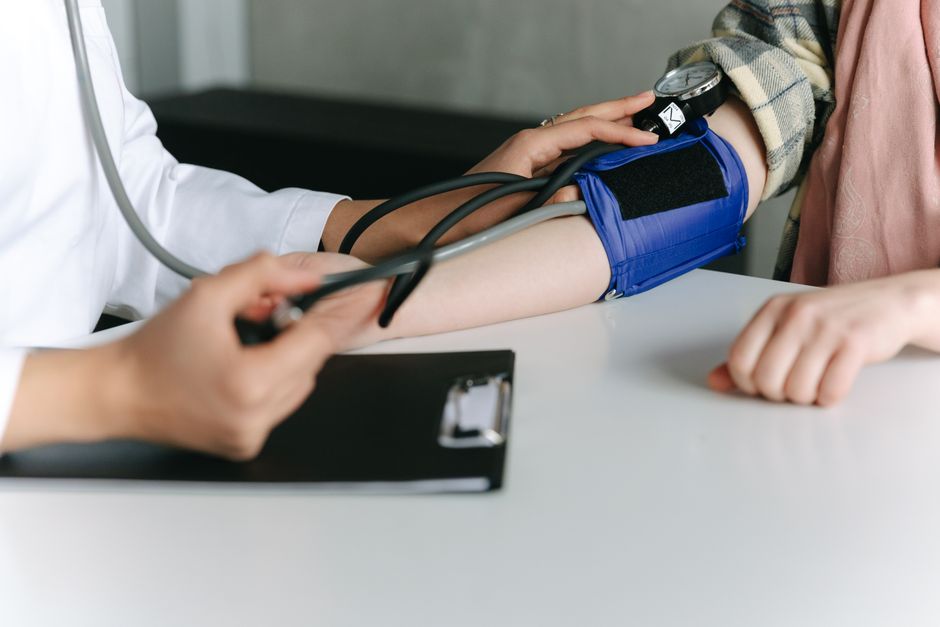
High blood pressure usually has no single cause and no warning signs. It develops quietly over years as a mix of genetics, age, kidney function, hormone activity, and daily habits gradually push the pressure inside your arteries upward. For most adults, there is no one thing to blame. There is a set of forces acting together.
That is the part people find hardest to accept. You can feel completely fine and still have a reading of 150/95. The condition does not announce itself through symptoms. It shows up on a cuff, or it shows up later as damage to the heart, brain, kidneys, or eyes.
Why Have I Got High Blood Pressure? The Core Answer
Blood pressure is the force of blood pushing against your artery walls. It is not a fixed number. It rises and falls all day with movement, stress, sleep, and even posture. The problem starts when the resting pressure stays too high.
Two numbers matter. The top number (systolic) is the pressure when your heart contracts. The bottom number (diastolic) is the pressure when your heart relaxes between beats. A normal reading is below 120/80. Blood pressure is generally considered high when readings are consistently 130/80 or above, though the exact threshold and how it is managed depend on your overall risk.
Roughly 9 in 10 adults with high blood pressure have what doctors call primary or essential hypertension. That means there is no single identifiable cause. The remaining cases are secondary, meaning another condition or medication is driving the pressure up.
Knowing which group you fall into changes everything about how the problem is approached.
What Actually Happens Inside Your Arteries
Pressure goes up when the smallest blood vessels tighten, when the body holds onto more fluid and salt, or when the heart pumps harder. Often all three happen at once.
The kidneys sit at the center of this. They control how much sodium and water stay in your bloodstream. More fluid in a closed system means more pressure. The kidneys also release signals that tighten blood vessels. When these systems get out of balance, pressure creeps up.
Over time, the artery walls respond to the extra force. They thicken and stiffen. Stiffer arteries push pressure higher still, which stiffens them further. This is why high blood pressure tends to worsen gradually if nothing changes.
A detail many people miss: your blood pressure is usually lowest at night during sleep. When it fails to dip the way it should, that pattern is linked to higher cardiovascular risk. This is one reason sleep quality and sleep apnea matter more than most people realize.
Is It Genetic or Is It Your Lifestyle?
Both, and the two are tangled together. High blood pressure runs in families. If a parent has it, your own risk is higher. Certain populations, including Black adults, tend to develop it earlier and more severely. That pattern reflects a mix of genetics, environment, and social factors, not any single gene.
Lifestyle factors do not act alone either. They work on the same systems your genes influence. Common contributors include:
- Carrying extra weight, especially around the abdomen
- A diet high in sodium and low in potassium
- Drinking alcohol regularly or heavily
- Getting little physical activity
- Chronic stress and poor sleep
- Smoking, which damages and narrows blood vessels
None of these guarantees high blood pressure on its own. Each one shifts the odds. Together they compound.

When Another Condition Is the Real Cause
Secondary hypertension means an underlying problem is driving the pressure. It is less common, but it matters because treating the root cause can sometimes bring pressure down substantially.
Conditions that can cause it include kidney disease, sleep apnea, thyroid problems, and certain hormone disorders such as primary aldosteronism, where the adrenal glands release too much of a salt-regulating hormone. Some medications raise pressure too, including certain decongestants, nonsteroidal anti-inflammatory drugs, some hormonal contraceptives, and some antidepressants.
Doctors tend to suspect secondary causes when blood pressure appears suddenly, is very high, resists multiple medications, or starts before age 30 or after 55. If any of those apply, it is worth asking whether a cause beyond the usual ones has been checked.
Why It Often Has No Symptoms
High blood pressure is called the silent condition for a reason. Most people feel nothing. No headaches, no nosebleeds, no dizziness that reliably points to it.
The symptoms people associate with high blood pressure, like headaches or feeling flushed, are not dependable signs. They can happen for many unrelated reasons. Relying on how you feel to judge your blood pressure is unreliable. The only way to know is to measure it.
When symptoms do appear, they usually mean the pressure has reached a dangerous level or has already caused damage. That is why the condition is caught through routine checks, not through how you feel.
What the Numbers Mean
Readings fall into categories that guide decisions. The table below reflects general adult categories used in clinical practice.
| Category | Systolic (top) | Diastolic (bottom) |
|---|---|---|
| Normal | Below 120 | Below 80 |
| Elevated | 120–129 | Below 80 |
| Stage 1 high blood pressure | 130–139 | 80–89 |
| Stage 2 high blood pressure | 140 or higher | 90 or higher |
A single high reading does not mean you have high blood pressure. Pressure varies. Diagnosis is based on repeated readings over time, often confirmed with measurements taken at home or over a full day. Some people only have high readings at the doctor’s office, a pattern called white coat hypertension. Others have the opposite, with normal office readings but high pressure elsewhere.
Why It Matters More Than the Number Itself
The reading is a signal, not the disease. The real concern is what sustained pressure does to organs over years.
It forces the heart to work harder, which can thicken the heart muscle and eventually weaken it. It damages the small vessels in the kidneys, the eyes, and the brain. It speeds up the buildup of plaque in arteries, raising the risk of heart attack and stroke. It is one of the leading modifiable risk factors for stroke worldwide.
This is why treatment is not just about chasing a lower number. It is about lowering the risk of these outcomes. Even modest reductions in pressure can meaningfully lower that risk, which is one reason small changes are worth taking seriously.
What Can Actually Change Your Pressure
For many people, lifestyle changes can lower blood pressure, and some people need medication as well. The two are not competing options. They often work together.
Changes with the strongest support include reducing sodium intake, increasing potassium through food (not supplements unless a clinician advises it), losing excess weight, exercising regularly, limiting alcohol, and quitting smoking. Getting sleep apnea treated can matter a great deal for people who have it.
Medication is not a sign of failure. For many people, lifestyle alone is not enough, and that is expected. Some cases are driven by genetics and kidney function in ways that habits cannot fully offset. When medication is needed, the goal is the lowest effective dose that controls pressure with the fewest side effects, adjusted over time.
What does not work is guesswork. Checking your pressure at home, tracking it, and reviewing it with a clinician turns a vague worry into a clear picture.
Frequently Asked Questions
Can high blood pressure go away on its own?
It can improve with sustained lifestyle changes, and some people reach normal readings without medication. For most people it is a long-term condition that needs ongoing management rather than something that resolves by itself.
Does high blood pressure always cause symptoms?
No. Most people with high blood pressure feel completely normal, which is why it is usually found through routine measurement rather than symptoms. Symptoms like headaches are not reliable indicators of high pressure.
What is the most common cause of high blood pressure?
For about 9 in 10 adults, there is no single cause. It develops from a combination of genetics, age, kidney function, and daily habits acting together over time.
Can stress alone cause high blood pressure?
Stress can raise pressure temporarily, but it is not usually the sole cause of chronic high blood pressure. Ongoing stress and poor sleep can contribute to it alongside other factors.
