
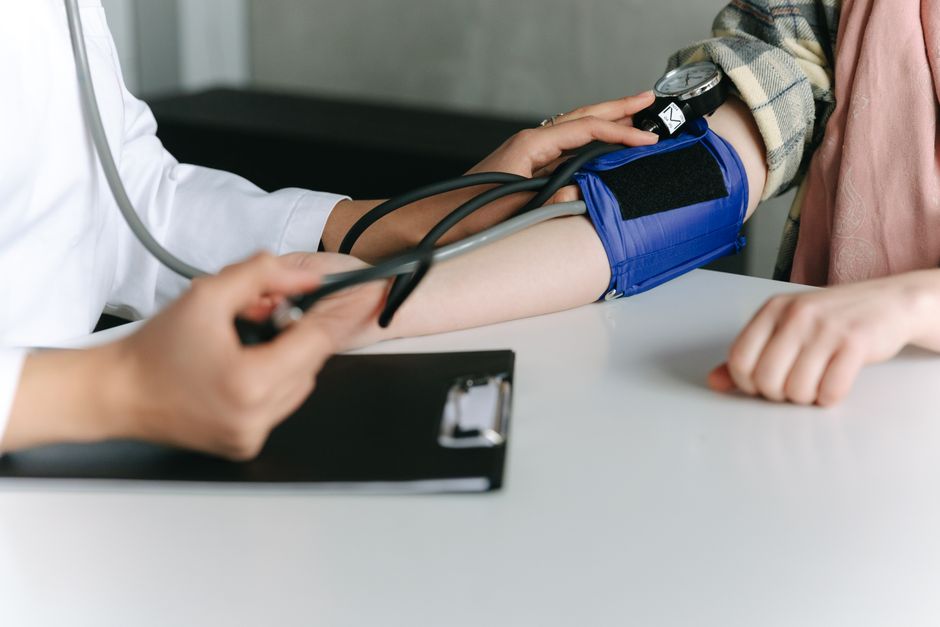
A blood pressure reading of 143 is considered high. If your systolic pressure (the top number) is 143 mmHg, that falls into stage 2 hypertension under the categories used by the American Heart Association and the American College of Cardiology. If 143 is your diastolic pressure (the bottom number), it also falls into stage 2 hypertension, because the stage 2 threshold for diastolic pressure is 90 mmHg or higher.
Either way, a single reading of 143 is not a diagnosis. It is a signal. What you do next matters more than the number itself.
What Do Blood Pressure Numbers Actually Mean?
Blood pressure is written as two numbers. The top number, systolic pressure, measures the force against your artery walls when your heart beats. The bottom number, diastolic pressure, measures that force between beats, while your heart is resting and refilling.
Both numbers matter, but they do not carry equal weight at every age. For adults over 50, systolic pressure tends to be the stronger predictor of cardiovascular problems. That is because arteries stiffen with age, and stiff arteries push systolic pressure up while diastolic pressure often stays flat or even drops.
Here are the standard categories for adults, based on the 2017 guideline from the American Heart Association and American College of Cardiology:
- Normal: less than 120/80 mmHg
- Elevated: systolic 120–129 and diastolic under 80
- Stage 1 hypertension: systolic 130–139 or diastolic 80–89
- Stage 2 hypertension: systolic 140 or higher, or diastolic 90 or higher
- Hypertensive crisis: systolic over 180 and/or diastolic over 120 — this requires immediate medical attention
So 143/88 is stage 2 by the top number. And 128/95 is stage 2 by the bottom number. When the two numbers fall into different categories, the higher category applies.
Is A Blood Pressure Of 143 Considered High, Or Could It Just Be One Bad Reading?
One reading of 143 does not prove you have high blood pressure. Blood pressure naturally swings throughout the day. It rises with stress, caffeine, exercise, a full bladder, cold temperatures, and even the act of having your pressure taken in a clinic.
This last one has a name: white coat hypertension. Some people consistently read higher in a medical setting than they do at home. Estimates vary, but it is common enough that clinicians take it seriously.
The reverse also happens. Some people read normal in a clinic but high at home or at work. That pattern is called masked hypertension, and it carries real cardiovascular risk because it often goes undetected.
The practical takeaway: a diagnosis of hypertension generally requires multiple elevated readings on separate occasions. Guidelines typically call for averaging readings taken over several days, often using a home monitor, before a diagnosis is confirmed. If your first reading is 143, the next step is not panic. It is measurement — more of it, done correctly.
How Should You Measure Blood Pressure At Home?
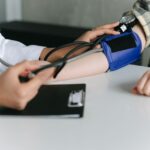
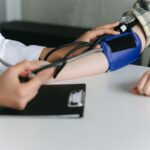
Home readings often give a clearer picture than a single clinic visit. But technique matters, and small errors can shift a reading by several points.
- Sit quietly for five minutes before measuring. Do not talk during the reading.
- Keep your back supported and both feet flat on the floor. Do not cross your legs.
- Rest your arm on a table so the cuff sits at roughly heart level.
- Use a cuff that fits. A cuff that is too small can read artificially high.
- Take two or three readings a minute apart and average them.
- Measure at the same times each day, such as morning and evening.
Upper-arm monitors are generally more reliable than wrist or finger devices. If you are tracking readings to share with a clinician, write them down with the date and time rather than trying to remember them.
What Causes Blood Pressure To Rise?
For most adults with high blood pressure, there is no single cause. This is called primary or essential hypertension, and it develops gradually over years through a mix of genetics, age, and lifestyle.
Several factors are consistently linked to higher blood pressure:
- Excess body weight, particularly around the abdomen
- High sodium intake
- Low potassium intake from foods like fruits, vegetables, and beans
- Heavy or regular alcohol use
- Physical inactivity
- Chronic stress and poor sleep, including sleep apnea
- Older age and family history
A smaller share of cases have a specific secondary cause — kidney disease, thyroid disorders, certain medications, or hormonal conditions. When blood pressure is very high, rises suddenly, or does not respond to treatment, clinicians look harder for these underlying causes.
Does High Blood Pressure Cause Symptoms?
High blood pressure usually causes no symptoms at all. That is why it is often called the silent killer. Most people with a reading of 143 feel completely normal.
This is worth sitting with. You cannot rely on how you feel to know whether your blood pressure is high. Headaches, nosebleeds, and feeling flushed are commonly blamed on blood pressure, but the evidence linking these symptoms to ordinary hypertension is weak. They are more typical of a hypertensive crisis, which is a different and urgent situation.
If your blood pressure is above 180/120 and you have symptoms like chest pain, shortness of breath, vision changes, weakness, or difficulty speaking, seek emergency care immediately. If it is above 180/120 without symptoms, wait five minutes and measure again. If it is still that high, contact a healthcare provider right away.
What Happens If High Blood Pressure Goes Untreated?
Sustained high blood pressure damages blood vessels over time. The damage is gradual and often invisible until it produces a serious event.
Over years, untreated hypertension raises the risk of heart attack, stroke, heart failure, kidney disease, and vision loss. It can also contribute to vascular dementia. These risks are well established across decades of research and are the reason clinicians treat high blood pressure even when a person feels fine.
The relationship between blood pressure and cardiovascular risk is continuous. There is no clean cutoff where risk suddenly begins. Risk rises as pressure rises, starting from levels well below 143.
What Are The Options For Lowering Blood Pressure?
Treatment depends on how high your pressure is, your overall cardiovascular risk, and other health conditions. For stage 2 hypertension, guidelines generally recommend starting medication alongside lifestyle changes rather than trying lifestyle alone first.
Lifestyle changes that have meaningful evidence behind them include:
- Reducing sodium intake — the Dietary Guidelines for Americans recommend keeping sodium under 2,300 mg per day, and the American Heart Association suggests an ideal limit of no more than 1,500 mg per day for people with hypertension
- Eating a pattern rich in fruits, vegetables, whole grains, and low-fat dairy, such as the DASH eating plan
- Increasing potassium from food sources, unless a clinician has told you to restrict potassium due to kidney disease or certain medications
- Regular aerobic activity, such as brisk walking, most days of the week
- Limiting alcohol
- Losing weight if you carry excess
- Getting consistent, adequate sleep and addressing sleep apnea if present
Medications for blood pressure include several classes — thiazide diuretics, ACE inhibitors, angiotensin receptor blockers, and calcium channel blockers, among others. Which one is right depends on your individual situation. This is a decision to make with a clinician, not from an article.
One clarification worth making: lifestyle changes are not a substitute for medication when medication is indicated, and medication is not a reason to skip lifestyle changes. They work together.
When Should You See A Doctor About A Reading Of 143?
A reading of 143 is worth acting on, but it is rarely an emergency. The reasonable next step is to measure at home over several days and bring those numbers to a healthcare provider.
Do not wait if you have symptoms that could signal a crisis — chest pain, severe headache, vision changes, shortness of breath, or weakness on one side of the body. Those warrant emergency care regardless of what the number says.
If you have diabetes, kidney disease, or existing heart disease, a reading of 143 deserves attention sooner rather than later, because your risk threshold for treatment is lower.
Frequently Asked Questions
Is 143 over 90 considered high blood pressure?
Yes. A reading of 143/90 falls into stage 2 hypertension, because both the systolic number (140 or higher) and the diastolic number (90 or higher) meet that threshold.
Can one high reading mean I have hypertension?
No. A single reading is not enough for a diagnosis, because blood pressure varies with stress, activity, and setting. Diagnosis generally requires multiple elevated readings on separate occasions.
Can I lower a blood pressure of 143 without medication?
Some people can lower blood pressure through sodium reduction, weight loss, exercise, and improved sleep, but stage 2 hypertension usually calls for medication alongside those changes. Talk with a clinician about what fits your situation.
What blood pressure number is dangerously high?
A reading above 180/120 is considered a hypertensive crisis and needs immediate medical attention, especially if you have symptoms like chest pain, vision changes, or weakness.
