
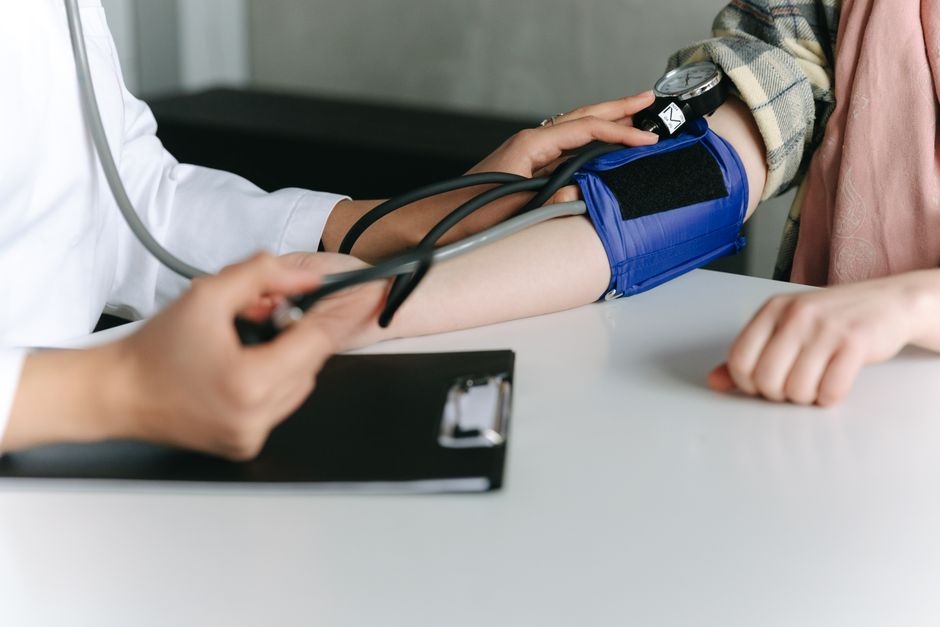
High blood pressure is one of the most common medical problems in pregnancy. In the United States, hypertensive disorders affect roughly 1 in every 7 to 8 pregnant women, and their frequency has been rising over the past few decades. That makes them one of the leading causes of complications for both mother and baby — which is exactly why prenatal visits check your blood pressure every single time.
Is High Blood Pressure Common In Pregnancy?
Yes. Hypertensive disorders of pregnancy — a group of conditions that includes chronic high blood pressure, gestational hypertension, and preeclampsia — complicate somewhere between 10 and 15 percent of pregnancies in the US. That is a large share, and it is not evenly distributed.
Some women walk in with high blood pressure already. Others develop it after about 20 weeks of pregnancy. A smaller group develops preeclampsia, which is high blood pressure plus signs that other organs are being affected.
The rate has climbed meaningfully since the 1990s. Researchers point to rising rates of obesity, older maternal age, and better detection as likely contributors. It is not a rare event that happens to a handful of women. It is a routine part of what obstetric care is built to watch for.
What Counts As High Blood Pressure During Pregnancy?
The numbers used in pregnancy are the same ones used in general medicine. A reading of 140/90 mm Hg or higher, confirmed on two occasions, meets the definition of high blood pressure.
Doctors also separate it into categories based on how high the numbers go and whether other organs are involved. The distinction matters because it drives how closely a woman is monitored.
- Elevated: 120–129 systolic and under 80 diastolic. Not high blood pressure, but worth watching.
- Stage 1 hypertension: 130–139 systolic or 80–89 diastolic.
- Stage 2 hypertension: 140/90 mm Hg or higher.
- Severe range: 160/110 mm Hg or higher — this is treated as a medical situation requiring prompt attention.
One reading alone does not define the condition. Blood pressure shifts with stress, movement, and even the walk down the hallway to the exam room. That is why clinicians repeat the measurement before drawing conclusions.
What Are The Different Types?
Not all high blood pressure in pregnancy is the same thing. The timing and the underlying cause change the diagnosis and the plan.
Chronic hypertension
This means high blood pressure was present before pregnancy or is diagnosed before 20 weeks. Some women already know they have it. Others find out at their first prenatal visit. Chronic hypertension now accounts for a large share of hypertension in pregnancy, partly because more women are entering pregnancy at older ages.
Gestational hypertension
This is high blood pressure that appears after 20 weeks in a woman who did not have it before. It is diagnosed when there is no evidence of organ involvement and no protein in the urine. Some women with gestational hypertension go on to develop preeclampsia, so it is monitored rather than dismissed.
Preeclampsia
Preeclampsia is high blood pressure after 20 weeks combined with signs that other systems are affected — most classically protein in the urine, but also changes in liver or kidney function, low platelets, fluid in the lungs, or severe headaches and visual changes. It is the most serious of the group and the reason prenatal care tracks blood pressure so carefully.
Preeclampsia with severe features
This is preeclampsia plus markers of significant organ involvement or very high blood pressure. It usually requires hospital care and close monitoring.



Who Is More Likely To Develop It?
Some women face higher risk than others. The reasons are not fully understood, but the patterns are consistent across large studies.
- First pregnancy
- Pregnancy with twins or more
- Age 35 or older
- Obesity before pregnancy
- Personal or family history of preeclampsia
- Chronic conditions such as diabetes, kidney disease, or autoimmune disorders
- Certain racial and ethnic groups, particularly Black women, who experience higher rates and worse outcomes
The racial disparity is real and well documented. Black women in the US die from pregnancy-related causes at a rate several times higher than white women, and hypertensive disorders are a major contributor. This is not explained by biology alone. Access to care, quality of care, and structural factors all play a role.
What Are The Warning Signs?
High blood pressure itself usually causes no symptoms. That is the part that catches people off guard. A woman can feel completely normal and still have dangerously elevated numbers.
Preeclampsia is different. It can produce symptoms that signal something is wrong:
- Severe headache that does not go away
- Vision changes — blurring, flashing lights, or sensitivity to light
- Pain in the upper right abdomen
- Sudden swelling of the hands and face
- Shortness of breath
- Nausea or vomiting in the second half of pregnancy
These symptoms warrant a call to a doctor or midwife right away. They do not mean something is definitely wrong, but they are the signals that need checking. Do not wait for a scheduled appointment.
How Is It Managed?
Management depends on the type, how high the numbers are, and how far along the pregnancy is.
For mild elevations, the approach is often monitoring. More frequent prenatal visits, home blood pressure checks, and sometimes lab work to track organ function. Some clinicians recommend low-dose aspirin for women at high risk of preeclampsia, started in the first trimester — this is supported by substantial trial evidence, though it does not prevent all cases.
For more serious elevations, medication may be needed. Not all blood pressure drugs are safe in pregnancy. ACE inhibitors and ARBs are generally avoided because they can harm the developing baby. Drugs more commonly used include labetalol, nifedipine, and methyldopa. Decisions about which to use are made by the clinician based on the individual situation.
Delivery is the definitive treatment for preeclampsia. Once the baby is born, the condition usually resolves, though it can take days to weeks for blood pressure to return to normal. In severe cases, delivery may need to happen early, even if the baby is premature, because the risks to the mother outweigh the risks of early birth.
What Are The Risks?
Uncontrolled high blood pressure in pregnancy can cause problems for both mother and baby.
For the mother: stroke, seizures (eclampsia), liver or kidney damage, bleeding, and in rare cases death. For the baby: poor growth, preterm birth, and in severe cases stillbirth.
The risks are not theoretical. They are the reason blood pressure is checked at every prenatal visit and the reason severe ranges are treated as emergencies. Most women with well-managed hypertension have healthy pregnancies and healthy babies. The key word is managed.
Does It Affect Future Health?
This is an area where the evidence has grown. Women who develop gestational hypertension or preeclampsia are at higher risk of developing chronic hypertension and cardiovascular disease later in life.
Preeclampsia is now understood as a marker of future heart risk, not just a pregnancy complication. The American Heart Association recognizes a history of preeclampsia as a risk factor for cardiovascular disease in women. That does not mean every woman who had it will develop heart problems. It means it is worth telling your doctor about, and worth paying attention to blood pressure and heart health going forward.
The research here is still developing. The exact mechanisms linking pregnancy complications to later heart disease are not fully understood, and there is no single recommended follow-up protocol that applies to everyone. But the association is consistent enough that it is taken seriously in clinical practice.
Can It Be Prevented?
Not entirely. Some cases cannot be prevented, and no intervention eliminates the risk.
That said, certain steps are supported by evidence for women at higher risk. Low-dose aspirin started early in pregnancy reduces the likelihood of preeclampsia in high-risk women. Maintaining a healthy weight before pregnancy is associated with lower risk. Managing chronic conditions like diabetes and existing high blood pressure before conception helps.
What does not have strong evidence: specific diets, supplements, or lifestyle programs marketed to prevent preeclampsia. If a product claims to prevent high blood pressure in pregnancy, the claim should be viewed with skepticism unless it comes from a clinical trial.
Frequently Asked Questions
How common is high blood pressure in pregnancy?
Hypertensive disorders affect about 10 to 15 percent of pregnancies in the US. That makes them one of the most common pregnancy complications.
What blood pressure is considered high in pregnancy?
A reading of 140/90 mm Hg or higher, confirmed on two occasions, is considered high. Severe range is 160/110 mm Hg or higher and requires prompt medical attention.
Can high blood pressure during pregnancy harm the baby?
Yes, if it is not managed. It can lead to poor growth, preterm birth, and in severe cases stillbirth. Most women with well-controlled blood pressure have healthy outcomes.
Does high blood pressure in pregnancy go away after birth?
Gestational hypertension and preeclampsia usually resolve within days to weeks after delivery. Chronic hypertension does not go away and needs ongoing management.
