
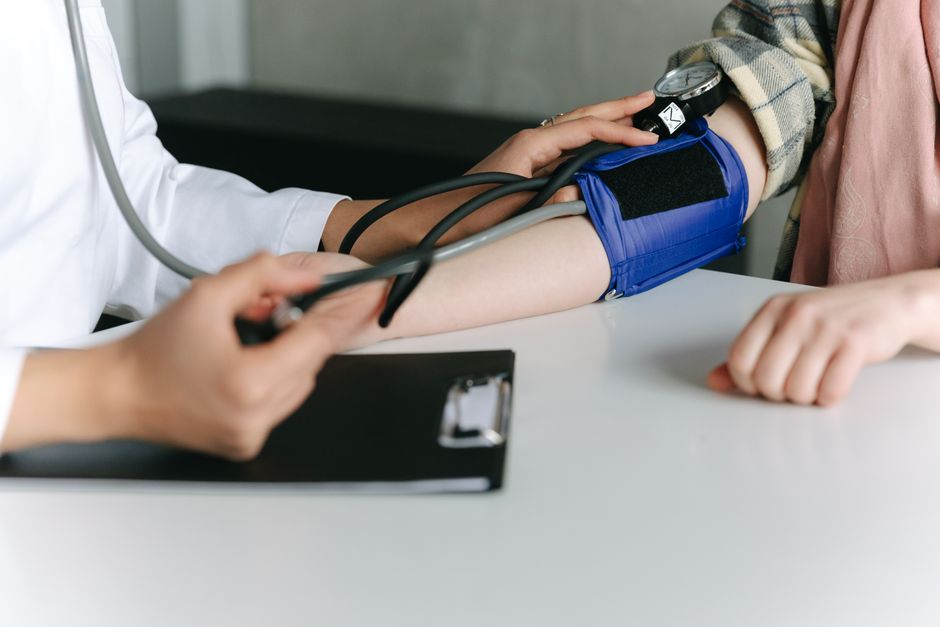
Blood pressure decreases when the forces that push blood against artery walls get weaker or when the vessels themselves open wider. The two main forces are how hard the heart pumps and how much resistance the arteries offer to that flow. When either one drops, your reading drops with it. This happens normally every day, and it also happens for reasons that need medical attention.
Understanding why matters because a lower number is not automatically good or bad. Context decides. A reading of 90/60 in a fit young runner is unremarkable. The same reading in someone taking a new medication, or in an older adult who just stood up too fast, means something different.
What Actually Determines Your Blood Pressure?
Blood pressure is the product of two variables: cardiac output and peripheral resistance. Cardiac output is the volume of blood the heart pushes out each minute. Peripheral resistance is how tightly the small arteries are squeezed.
Multiply one by the other and you get the pressure in your arteries. This relationship is well established in cardiovascular physiology. It explains almost every cause of a blood pressure drop you will read about here.
Heart rate and stroke volume together make up cardiac output. Stroke volume is how much blood leaves the heart with each beat. If either falls, output falls. If the arteries relax, resistance falls. If both happen at once, pressure can drop quickly.
The body normally defends against this. Specialized sensors in the neck and chest detect pressure changes and trigger reflexes within seconds. The heart speeds up. Vessels tighten. Hormones like adrenaline and later aldosterone and cortisol step in to hold pressure steady. When those systems work well, you never notice the adjustments.
Why Blood Pressure Decreases When You Stand Up?
Standing pulls roughly a third of your blood volume into your legs and abdomen. Less blood returns to the heart, so the heart has less to pump. Pressure should fall.
In most people it does not fall much, because the baroreflex fires immediately. Vessels in the legs tighten. Heart rate rises slightly. Pressure holds steady or dips only briefly.
In some people the reflex is slower or weaker. Pressure drops noticeably within seconds to minutes of standing. This is called orthostatic hypotension. It is generally defined as a fall of at least 20 mmHg in systolic pressure or 10 mmHg in diastolic pressure within three minutes of standing.
Symptoms include lightheadedness, blurred vision, and in some cases fainting. It becomes more common with age because baroreflex sensitivity declines. It is also more common in people with diabetes, Parkinson’s disease, and other conditions that affect the nerves controlling blood vessels.
Medications are a frequent contributor. Drugs that lower blood pressure, relax blood vessels, or reduce blood volume can make the standing drop worse. So can dehydration and prolonged bed rest.
What Causes a Sudden Drop in Blood Pressure?
A sudden drop usually means one of four things happened fast: the heart weakened, the vessels opened, the blood volume fell, or the nervous system stopped compensating.
Some causes are serious and need urgent care. Others are mild and pass on their own.
- Bleeding — losing blood reduces volume and pressure. This is a medical emergency.
- Severe infection — sepsis causes widespread vessel dilation and can drop pressure dangerously.
- Dehydration — vomiting, diarrhea, heavy sweating, or poor fluid intake reduce blood volume.
- Heart problems — a very slow or very fast heart rhythm, a heart attack, or heart failure can reduce output.
- Allergic reaction — anaphylaxis causes rapid vessel dilation and can be life-threatening.
- Medications — diuretics, blood pressure drugs, some antidepressants, and certain pain medications can all lower pressure.
- Endocrine conditions — adrenal insufficiency and thyroid problems can reduce pressure.
- Eating a large meal — postprandial hypotension happens when blood pools in the digestive tract after eating.
If a drop comes with chest pain, confusion, cold clammy skin, rapid breathing, or fainting, that is an emergency. Call for help rather than waiting to see if it passes.
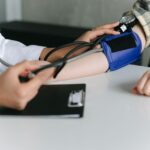
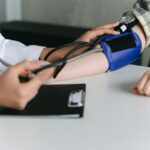
Can Low Blood Pressure Be Normal?
Yes. For some people a low reading is simply their baseline. Readings below 90/60 are generally labeled low, but the number alone does not define a problem.
Athletes and very fit people often run lower. Their hearts pump more efficiently, so they need less pressure to move the same amount of blood. Pregnancy commonly lowers blood pressure too, especially in the first two trimesters, because blood vessels widen and blood volume expands.
The distinction that matters is whether the low reading causes symptoms. No dizziness, no fainting, no fatigue, no blurry vision — usually no concern. Symptoms change the picture entirely.
Some people have readings in the 90s over 60s their whole lives and feel fine. Others feel unwell at 100/65 because their body is used to running higher. Baseline matters more than the absolute number.
How Do Medications Lower Blood Pressure?
Different drug classes work on different parts of the pressure equation. Knowing which lever a drug pulls explains why pressure falls and why side effects happen.
| Drug class | Main action |
|---|---|
| Diuretics | Reduce blood volume by increasing fluid loss through the kidneys |
| ACE inhibitors and ARBs | Relax blood vessels by blocking a hormone system that tightens them |
| Calcium channel blockers | Relax vessel walls by limiting calcium entry into muscle cells |
| Beta blockers | Slow heart rate and reduce the force of each beat |
| Alpha blockers | Prevent nerve signals that tighten blood vessels |
Because these drugs act on normal regulatory systems, they can overshoot. That is why dizziness on standing is a common side effect, and why doses are often started low and adjusted gradually.
Some clinicians recommend checking blood pressure while sitting and again after standing, especially in older adults starting a new medication. This is common clinical practice, though how consistently it changes outcomes is not fully settled in the research.
What Happens in the Body During a Pressure Drop?
When pressure falls, blood flow to the brain can drop within seconds. The brain is the organ most sensitive to this because it has little storage for energy and depends on steady delivery.
The first response is the baroreflex, which acts in under a second. If that is not enough, the renin-angiotensin-aldosterone system activates over minutes to hours. It narrows vessels and tells the kidneys to hold onto sodium and water, which rebuilds blood volume.
If pressure stays too low for too long, organs are starved of oxygen. This is called hypoperfusion or shock, depending on severity. The kidneys, brain, and heart are affected first. Prolonged shock can cause organ damage.
This is why a low reading with symptoms is treated differently from a low reading without them. The number is a signal; the body’s response is what determines whether it is dangerous.
When Should a Low Reading Concern You?
Seek medical attention when a low reading comes with symptoms or when it is new and unexplained.
- Fainting or near-fainting
- Confusion or trouble concentrating
- Blurred or narrowing vision
- Chest pain or shortness of breath
- Cold, pale, or clammy skin
- Rapid or shallow breathing
- Weak, rapid pulse
- Fatigue that is new or worsening
A single low reading in someone who feels fine is usually not an emergency. Repeated low readings, or readings that drop when standing and cause symptoms, deserve a medical evaluation.
Bring a log of your readings, including the time of day, your position when measured, and any symptoms. That information helps a clinician sort out whether the cause is a medication, dehydration, a heart rhythm issue, or something else.
Can You Raise Blood Pressure Naturally?
For people with mild, symptom-free low blood pressure, some general measures may help. Drinking enough fluids supports blood volume. Getting up slowly from sitting or lying positions gives the baroreflex time to work. Avoiding long periods of standing still can reduce pooling in the legs.
Compression stockings are sometimes recommended to reduce blood pooling in the legs. Some clinicians suggest eating smaller, more frequent meals to limit postprandial drops. These approaches are widely used, though the strength of evidence varies by measure.
Extra salt is sometimes suggested for people with certain forms of low blood pressure. This should not be done without medical guidance. Added sodium can worsen heart failure, kidney disease, and other conditions.
No dietary supplement has strong clinical evidence for raising blood pressure in the general population. Claims to the contrary are not supported by large human trials.
Frequently Asked Questions
Why does blood pressure decrease?
Blood pressure decreases when the heart pumps less blood, the arteries widen, or blood volume falls. These changes can be normal, medication-related, or a sign of an underlying condition.
Is low blood pressure dangerous?
Low blood pressure is only dangerous when it causes symptoms or reduces blood flow to organs. A low reading without symptoms is often normal for that person.
What is the most common cause of a sudden drop in blood pressure?
Standing up quickly is the most common everyday cause, a response called orthostatic hypotension. Dehydration and medication side effects are also frequent contributors.
When should I worry about low blood pressure?
Worry when a low reading comes with fainting, confusion, chest pain, or cold clammy skin. Those signs suggest blood flow to organs may be compromised and need urgent evaluation.
