
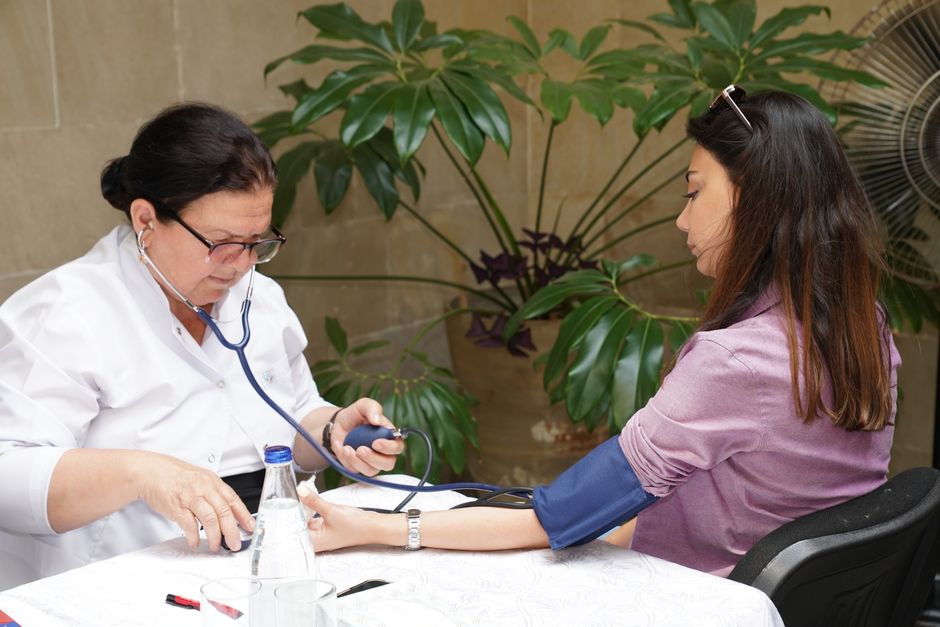
Your blood pressure is not a fixed number. It moves all day long, and that is normal. A drop becomes a problem when it falls far enough, or fast enough, that your brain and organs do not get the blood flow they need. The medical term for this is hypotension, and the reason it happens usually comes down to one of a few clear mechanisms: your blood vessels widen, your blood volume drops, your heart pumps less effectively, or your body’s reflex to tighten vessels and speed up the heart is not working the way it should.
Why Does Your Blood Pressure Drop?
Blood pressure depends on how hard your heart pumps, how much blood is in your vessels, and how wide or narrow those vessels are. A drop happens when one of those changes.
When your blood vessels relax and widen, there is more space for the same amount of blood. Pressure falls. This is called vasodilation, and it is the most common reason for a sudden drop. It can happen from medications, from standing up quickly, from a reaction to food, or from a signal problem in your nervous system.
When you lose blood volume, there is less fluid to push against the vessel walls. Bleeding, vomiting, diarrhea, heavy sweating, and not drinking enough water all reduce volume. Pressure drops as a result.
When your heart cannot pump enough, pressure falls too. This can happen with a very slow heart rate, a very fast rhythm that does not fill the heart properly, or a weak heart muscle.
Finally, your body has a built-in reflex that corrects small drops before you notice them. When you stand, special sensors in your neck and chest detect the change and signal your vessels to tighten and your heart to speed up. If that reflex is slow or damaged, pressure keeps falling instead of correcting.
What Counts as Low Blood Pressure?
There is no single number that defines low blood pressure for everyone. A reading below 90/60 mmHg is generally considered low. But the number alone does not tell the whole story.
Some people live at 90/60 and feel completely fine. For them, that is normal. Others feel dizzy and faint at 100/70 because their usual pressure is much higher. What matters is whether the drop causes symptoms and whether it represents a change from your normal.
Doctors often care more about the pattern than the single reading. A pressure that drops when you stand, or that falls after eating, tells a clearer story than one number taken while you sit still.
What Causes a Sudden Drop in Blood Pressure?
A sudden drop usually has a trigger you can identify. The most common ones fall into a few groups.
- Standing up quickly. Blood pools in your legs, and pressure dips before your reflex catches up. This is called orthostatic hypotension.
- Dehydration. Less fluid means less volume and lower pressure.
- Medications. Blood pressure drugs, diuretics, some antidepressants, and certain heart medications can lower pressure more than intended.
- Eating a large meal. Blood shifts to your digestive tract, and pressure can fall. This is postprandial hypotension, and it is more common in older adults.
- Standing for a long time. Blood can pool in the legs, and the reflex that normally corrects it can misfire.
- Blood loss. Even slow internal bleeding can lower pressure without an obvious external sign.
- Infection or severe allergic reaction. Both can cause widespread vasodilation and a dangerous drop.
Some of these are minor and pass in seconds. Others, like blood loss or a severe infection, are medical emergencies. The difference is usually how fast it happens, how long it lasts, and whether you recover on your own.


Why Does Blood Pressure Drop When You Stand Up?
Gravity pulls blood into your legs the moment you stand. Roughly a quarter of your blood volume sits below your heart in that position. Your body has to respond fast to keep pressure steady in your upper body.
Normally, sensors in your arteries detect the change within seconds. They signal your blood vessels to narrow and your heart to beat faster. Pressure holds steady. You feel nothing.
In orthostatic hypotension, that response is too slow or too weak. Pressure falls, and you feel lightheaded, dizzy, or unsteady. Some people briefly lose vision. In serious cases, they faint.
This is more common in older adults because the reflex becomes less sensitive with age. It is also more common in people with diabetes, Parkinson’s disease, and other conditions that affect the nerves controlling blood pressure. Certain medications make it worse.
A related pattern is called postural orthostatic tachycardia syndrome, or POTS. In POTS, the heart rate climbs sharply on standing while blood pressure may stay normal or even drop. It is diagnosed more often in younger people and women, though it can affect anyone.
What Makes Blood Pressure Drop After Eating?
After a meal, blood flow shifts to your stomach and intestines to help with digestion. In most people, the body compensates without any noticeable change. In some, especially older adults, pressure falls enough to cause dizziness or fainting within an hour or two of eating.
This is called postprandial hypotension. It is more likely after large meals, meals high in carbohydrates, and in people who already have blood pressure conditions or nervous system disorders. Smaller, more frequent meals sometimes help, though the evidence on dietary changes for this specific problem is limited.
When Is a Blood Pressure Drop Dangerous?
A drop is dangerous when it starves your brain or organs of blood. That is the line that separates a harmless dip from a real problem.
Warning signs include fainting, confusion, blurred or lost vision, chest pain, shortness of breath, and a rapid or irregular heartbeat. A pressure that stays low and does not recover on its own is also a concern.
Some situations are emergencies. Severe bleeding, a severe allergic reaction, and a major infection can all cause pressure to fall to dangerous levels. These need immediate medical care. Do not wait to see if it improves.
For less dramatic drops, the pattern still matters. If you feel dizzy every time you stand, or if you have fainted even once, that is worth a medical evaluation. Fainting can lead to falls and injuries, especially in older adults.
How Do Doctors Figure Out Why It Happened?
Doctors start with your history and a physical exam. They want to know when the drops happen, what you were doing, what medications you take, and whether you have other conditions.
Blood pressure is often measured in more than one position. A reading taken while you lie down, then again after standing for a short time, can show whether your pressure drops with posture. Sometimes a longer monitoring period is used to catch patterns that a single office visit misses.
Blood tests can check for dehydration, anemia, and other causes. An electrocardiogram can look at heart rhythm. If a heart problem is suspected, other tests may follow.
The goal is not just to measure the number. It is to find the mechanism, because the mechanism determines what, if anything, needs to change.
What Affects Your Risk of Low Blood Pressure?
Several things make a drop more likely. Age is one, because the reflexes that control pressure become less responsive over time. Dehydration, prolonged bed rest, and pregnancy can all play a role.
Medications are a major factor. Many common drugs lower blood pressure as a side effect, and combining them can compound the effect. Never stop or change a medication on your own. Talk to your prescriber.
Certain health conditions raise risk too. Diabetes, heart conditions, and nervous system disorders that affect blood pressure regulation are common contributors. So is a history of fainting.
Alcohol can lower pressure, and heavy drinking can make drops worse. Large meals and standing for long periods can trigger episodes in people who are already prone to them.
Frequently Asked Questions
What is the most common cause of a sudden blood pressure drop?
The most common cause is a temporary widening of blood vessels, often from standing up quickly or from dehydration. Both reduce the pressure your body needs to keep blood flowing to your brain.
Is low blood pressure always a problem?
No. Many people live at low readings with no symptoms and no issues. It becomes a concern when it causes dizziness, fainting, or signs that your organs are not getting enough blood.
Can dehydration really lower your blood pressure?
Yes. Less fluid in your body means less blood volume, and less volume means lower pressure. Even mild dehydration can cause a noticeable drop in some people.
When should I see a doctor about a blood pressure drop?
See a doctor if you faint, feel dizzy often, or notice drops along with chest pain, confusion, or shortness of breath. Any of these signs warrants a medical evaluation rather than waiting.
