
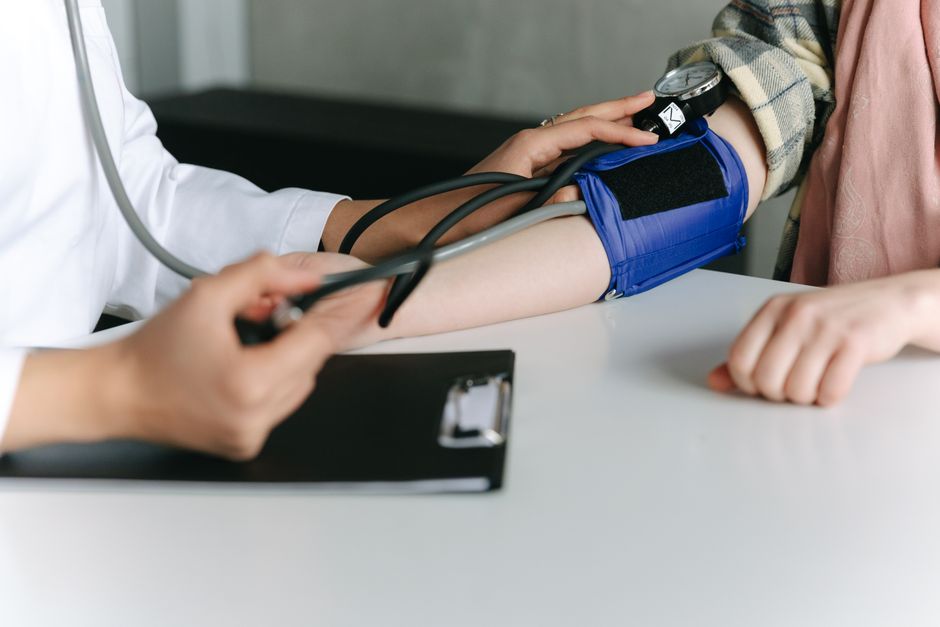
High blood pressure does not cause weight gain. The relationship runs mostly in the other direction: excess body weight is one of the strongest known contributors to rising blood pressure, not a result of it. That said, the two conditions often travel together, and some blood pressure medications can promote weight gain as a side effect. Untangling which is causing which matters, because it changes what actually helps.
Does High Blood Pressure Itself Cause Weight Gain?
No. There is no established mechanism by which elevated blood pressure directly adds body fat or increases weight.
High blood pressure is a condition of the circulatory system. It reflects how hard your heart has to work to push blood through your arteries. Weight is determined by energy balance, hormones, genetics, medications, and a long list of other factors. These are separate systems, even though they interact constantly.
What confuses people is correlation. High blood pressure and excess weight frequently appear in the same person. That is not because one causes the other in a single direction. It is because they share common roots — particularly the metabolic changes that come with carrying extra body fat, especially around the abdomen.
So if you have been diagnosed with high blood pressure and notice the scale creeping up, the blood pressure itself is not the cause. Something else is going on, and it is worth identifying.
Why Do High Blood Pressure and Weight Gain Often Happen Together?
They share underlying drivers. The most significant is excess body fat, particularly visceral fat — the fat stored deep around the organs in the abdomen.
Visceral fat is not inert storage. It behaves like an active organ, releasing hormones and inflammatory signals that affect how the body regulates blood pressure. One key effect involves insulin. When cells become less responsive to insulin — a state that often accompanies excess weight — the body compensates by producing more insulin. Higher insulin levels can prompt the kidneys to retain sodium and water, which increases blood volume and, in turn, blood pressure.
There is also the sympathetic nervous system, the body’s “fight or flight” network. Excess weight is associated with increased sympathetic activity, which narrows blood vessels and raises heart rate. Both push blood pressure upward.
Other shared contributors include:
- Physical inactivity, which affects both weight and vascular health
- Diets high in sodium and low in potassium
- Chronic stress, which can influence eating patterns and blood pressure
- Poor sleep, including sleep apnea, which is strongly linked to both conditions
- Genetics that influence how the body handles salt, fat, and glucose
None of these cause high blood pressure to create weight gain. They cause both problems at the same time.
Can Blood Pressure Medication Cause Weight Gain?
Yes, some can. This is one of the few situations where the direction of cause and effect genuinely runs from blood pressure treatment toward weight change.
Certain classes of antihypertensive medications are associated with weight gain in some people. Beta-blockers are the most commonly cited example. They slow heart rate and can reduce resting energy expenditure slightly. Some people also report fatigue and reduced exercise tolerance while taking them, which can lead to lower physical activity over time. The weight gain is usually modest and not universal — many people take beta-blockers without gaining weight.
Other medication classes have varying effects. Some diuretics can cause small fluctuations in weight due to fluid changes, but this is not true fat gain. Calcium channel blockers and ACE inhibitors are generally considered weight-neutral for most people.
This is a conversation worth having with your prescribing clinician. Do not stop any blood pressure medication on your own. Uncontrolled high blood pressure carries serious risks, including stroke and heart attack. If you suspect your medication is affecting your weight, that is a clinical discussion, not a reason to quit treatment.




Does Weight Gain Cause High Blood Pressure?
This direction is well established. Excess body weight is one of the most consistent and well-documented risk factors for developing high blood pressure.
The evidence here is strong. Large population studies over many decades have shown that as body mass index rises, so does the likelihood of hypertension. The relationship holds across age groups, sexes, and ethnicities. It is not a subtle association — it is one of the clearest patterns in cardiovascular epidemiology.
The mechanisms are reasonably well understood:
- Increased blood volume puts more pressure on artery walls
- Insulin resistance promotes sodium retention
- Heightened sympathetic nervous system activity constricts blood vessels
- Leptin, a hormone produced by fat cells, can raise blood pressure when levels are chronically elevated
- Kidney function changes in ways that make sodium excretion less efficient
Weight loss, when achieved, tends to lower blood pressure. This is one of the most reliable findings in hypertension research. Even modest reductions in weight can produce measurable improvements in blood pressure for many people.
What Else Can Cause Weight Gain Alongside High Blood Pressure?
When both conditions appear together, a third factor is often driving both. Identifying it can change the entire treatment approach.
Sleep apnea is a major one. It is strongly associated with hypertension and with weight gain. Poor sleep disrupts hormones that regulate appetite, including ghrelin and leptin, which can increase hunger and change how the body stores fat. Sleep apnea also triggers repeated surges in blood pressure during the night. Many people with resistant hypertension — blood pressure that does not respond well to multiple medications — have undiagnosed sleep apnea.
Thyroid disorders can cause weight gain and affect blood pressure. An underactive thyroid slows metabolism and can raise diastolic pressure. This is diagnosed with a simple blood test.
Chronic stress and elevated cortisol can contribute to both. Cortisol promotes fat storage, particularly in the abdomen, and can raise blood pressure. Conditions like Cushing’s syndrome are rare but worth ruling out when weight gain and hypertension appear together with other symptoms.
Medications for other conditions can also play a role. Some antidepressants, corticosteroids, and diabetes medications are associated with weight gain. If you take any of these alongside blood pressure medication, the combined effect is worth reviewing with your clinician.
Polycystic ovary syndrome (PCOS) is another condition that links weight changes, insulin resistance, and elevated blood pressure in some women.
What Actually Helps When Both Are Present?
Treating them together tends to work better than treating them separately. The same lifestyle changes that lower blood pressure often support healthier weight, and vice versa.
Regular physical activity is one of the few interventions that independently improves both. It lowers blood pressure through multiple mechanisms — improving vascular function, reducing sympathetic activity, and helping with insulin sensitivity. It also supports weight management. Current physical activity guidelines for adults recommend at least 150 minutes of moderate-intensity aerobic activity per week, plus muscle-strengthening activities on two or more days per week.
Reducing sodium intake can lower blood pressure, particularly in people who are salt-sensitive. The Dietary Guidelines for Americans recommend limiting sodium to less than 2,300 milligrams per day. The American Heart Association suggests an ideal limit of no more than 1,500 milligrams per day for most adults, especially those with high blood pressure.
Increasing potassium intake — from foods like bananas, potatoes, beans, and leafy greens — can help counteract sodium’s effects on blood pressure. People with kidney disease should talk to their doctor before increasing potassium.
The DASH eating pattern (Dietary Approaches to Stop Hypertension) is one of the most well-studied dietary approaches for lowering blood pressure. It emphasizes vegetables, fruits, whole grains, lean proteins, and low-fat dairy while limiting saturated fat, cholesterol, and sodium.
Weight loss, when it occurs, tends to improve blood pressure. The exact amount needed varies by person. Some research suggests that even a modest reduction can produce meaningful improvements for some individuals, but the response is not uniform.
Sleep matters more than most people realize. If you snore heavily, wake unrefreshed, or feel excessively sleepy during the day, ask your doctor about a sleep study. Treating sleep apnea can improve blood pressure and may make weight management easier.
None of this is a guarantee. Individual responses vary. What works well for one person may not work the same way for another. The goal is to work with your clinician to find the combination that helps your specific situation.
Frequently Asked Questions
Can high blood pressure make you gain weight?
No. High blood pressure does not directly cause weight gain. If weight gain occurs alongside high blood pressure, it is usually due to shared underlying factors or medication side effects.
Do blood pressure medications cause weight gain?
Some can. Beta-blockers are the class most commonly associated with modest weight gain, though not everyone who takes them gains weight. Other classes are generally weight-neutral.
Does losing weight lower blood pressure?
Weight loss often lowers blood pressure, and this is one of the more consistent findings in hypertension research. The amount of weight loss needed to see a benefit varies by person.
What should I do if I gain weight after starting blood pressure medication?
Talk to your prescribing clinician before making any changes. Do not stop blood pressure medication on your own. Your doctor may be able to adjust your treatment plan.
