

You check your blood sugar after a workout expecting a nice drop. Instead the number is higher than when you started. This feels wrong. Exercise is supposed to lower blood sugar. So why does your body seem to do the opposite?
The short answer is your liver releases stored glucose during intense exercise to fuel your muscles. This is a normal survival response. For most people the number comes back down within an hour. For people with diabetes or insulin resistance the spike can be bigger and last longer because their bodies struggle to move that extra glucose into cells.
What Causes a Blood Sugar Spike During Exercise?
Your body sees hard exercise as a form of stress. When you run lift weights or do anything that makes your heart pound your adrenal glands release hormones like adrenaline and cortisol. These hormones tell your liver to dump stored glucose into your bloodstream. This is called the fight or flight response and it evolved to give you quick energy to escape danger.
The problem is your muscles are not always ready to use all that glucose right away. If you are doing short bursts of intense activity like sprinting or heavy lifting your muscles burn through their own stored glycogen first. The extra glucose from your liver sits in your blood waiting to be used. This creates a temporary spike.
Research shows this effect is strongest during high intensity exercise. A 2019 study in the Journal of Diabetes Science and Technology found that people with type 1 diabetes often saw blood sugar rise during the first 20 minutes of intense exercise. This is not a sign that something is broken. It is a normal physiological response.
Does This Happen to Everyone or Just People With Diabetes?
It happens to everyone. People without diabetes also get a glucose spike during intense exercise. The difference is their bodies handle it quickly. Their pancreas releases insulin almost instantly and their muscle cells absorb the extra glucose without trouble. Within 30 to 60 minutes their blood sugar returns to normal or goes slightly lower.
For people with diabetes the system is slower. If you have type 2 diabetes your cells may be insulin resistant. That means they do not respond to insulin signals well. The glucose stays in your bloodstream longer. If you have type 1 diabetes you may not have enough insulin circulating to move the glucose into cells at all. This can cause a prolonged spike that lasts hours.
Current research suggests that people with well controlled blood sugar experience smaller exercise spikes. A 2021 study in Diabetes Care noted that regular exercise actually trains your liver to release glucose more efficiently over time. The spikes become smaller and your body recovers faster.
How Does Exercise Type Affect Blood Sugar Response?
Not all exercise affects blood sugar the same way. The type of movement you do matters a lot. Here is a simple breakdown of how different workouts typically affect blood sugar.
| Exercise Type | Typical Blood Sugar Effect | Why It Happens |
|---|---|---|
| Steady state cardio (walking jogging cycling) | Gradual decrease | Muscles use glucose continuously over time |
| High intensity interval training (HIIT sprints) | Temporary spike then drop | Adrenaline release causes liver to dump glucose |
| Resistance training (lifting weights) | Possible spike during session | Muscle contractions trigger stress hormones |
| Mixed workout (cardio plus weights) | Variable depending on order | Cardio after weights may blunt the spike |
If you do steady state cardio like a 30 minute walk your blood sugar usually drops slowly and steadily. Your muscles use glucose at a pace your liver can match without overshooting. This is the safest option if you are worried about spikes.
If you do HIIT or heavy lifting expect a short term rise. This is not dangerous for most people. But if you are diabetic and see a spike over 250 mg/dL you should monitor closely and avoid additional intense exercise until it comes down.




Why Does My Blood Sugar Rise After Exercise Sometimes and Drop Other Times?
This inconsistency frustrates many people. The reason is your blood sugar response depends on several variables that change from workout to workout. Your pre exercise blood sugar level matters. If you start a workout with blood sugar already above 180 mg/dL the spike may be larger because your liver is more sensitive to stress signals.
Your food timing also plays a role. If you ate a meal within two hours of exercising your body is still digesting and absorbing glucose. The exercise spike adds on top of that. On an empty stomach the spike may be smaller because there is less glucose available for your liver to release.
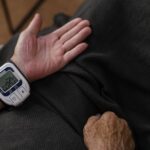
Your fitness level changes the response too. People who exercise regularly have trained their bodies to handle glucose more efficiently. A beginner may see a larger spike than someone who has been working out for months. As of 2026 there is no single formula to predict exactly what your blood sugar will do. The best approach is to test before during and after exercise to learn your personal pattern.
What Can You Do to Prevent or Reduce Exercise Related Spikes?
You cannot stop your liver from releasing glucose during intense exercise. That is a normal protective mechanism. But you can take steps to keep the spike smaller and help your body clear it faster.
- Do a warm up. Start with 5 to 10 minutes of light cardio before intense exercise. This primes your muscles to start using glucose before the big spike arrives.
- Include a cool down. Walk or stretch for 5 to 10 minutes after your main workout. This helps your muscles keep absorbing glucose as your heart rate returns to normal.
- Check your timing. If you take insulin or diabetes medication talk to your doctor about adjusting timing around workouts. Some people benefit from a small dose before exercise.
- Stay hydrated. Dehydration thickens your blood and can make glucose levels read higher. Drink water before during and after exercise.
- Eat a small snack. A small amount of protein or fat before exercise can blunt the adrenaline response. Avoid sugary sports drinks unless you need them for a long workout.
One non obvious insight is that the order of your workout matters. Doing resistance training first and then cardio may produce a smaller overall spike than doing cardio first. A 2020 study in the Journal of Sports Sciences found that the combination of weights followed by aerobic exercise improved glucose control more than either alone. Your muscles are more receptive to glucose after they have been stressed by lifting.
Common Misconceptions About Exercise and Blood Sugar
There is a lot of bad advice online about this topic. One common myth is that any rise in blood sugar during exercise is dangerous. That is not true. A temporary spike during or right after a workout is normal and usually harmless. The problem is when blood sugar stays high for hours after you finish.
Another myth is that you should avoid exercise if your blood sugar is already high. This depends on how high. If your blood sugar is above 250 mg/dL and you have ketones in your urine exercise can actually make things worse by releasing even more glucose. But if your blood sugar is between 180 and 250 mg/dL without ketones light to moderate exercise is usually safe and may help bring it down.
Some people believe that only cardio lowers blood sugar and that lifting weights is bad for glucose control. Evidence indicates that resistance training actually improves long term insulin sensitivity better than cardio alone. The temporary spike during lifting is not a sign of harm. It is a signal that your muscles are adapting.
Frequently Asked Questions
Why does my blood sugar go up after exercise instead of down?
Your liver releases stored glucose in response to stress hormones during intense exercise. This temporary spike is normal and usually resolves within an hour.
How long does a blood sugar spike last after exercise?
For most people the spike lasts 30 to 60 minutes. For people with diabetes it can last 2 to 3 hours depending on insulin levels and workout intensity.
Should I stop exercising if my blood sugar spikes?
No unless your blood sugar is above 250 mg/dL with ketones present. A mild spike during exercise is expected and not dangerous for most people.
What type of exercise is best for lowering blood sugar?
Steady state cardio like walking or jogging reliably lowers blood sugar during and after exercise. Resistance training improves long term control but may cause a temporary rise.
Understanding why your blood sugar rises after exercise takes some of the frustration away. It is not a failure or a sign that exercise is bad for you. It is your body doing exactly what it evolved to do give you fuel for movement. The key is learning your own patterns and working with them not against them.
