
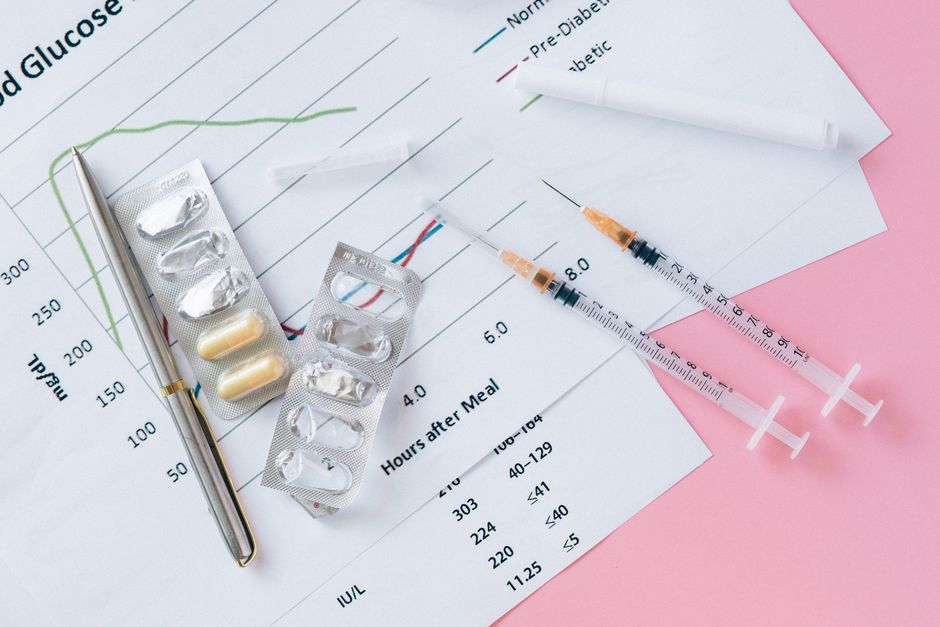
If your blood sugar drops too low, eat or drink 15 grams of fast-acting carbohydrates immediately. Good options include glucose tablets, fruit juice, regular soda, or hard candy. Wait 15 minutes and check your blood sugar again. If it is still below 70 mg/dL, repeat the same steps. Once your blood sugar returns to normal, eat a small snack with protein or complex carbohydrates to prevent another drop. This is called the 15-15 rule and is the standard first response for low blood sugar.
What is low blood sugar?
Low blood sugar, also called hypoglycemia, happens when the glucose level in your blood falls below normal. For most people with diabetes, hypoglycemia is defined as a blood glucose level below 70 mg/dL. Glucose is the main fuel your brain and body use for energy. When levels drop too low, your body cannot function properly.
The condition is most common in people with diabetes who take insulin or certain oral medications. But hypoglycemia can also occur in people without diabetes, though this is less common. The brain is especially sensitive to low glucose. Severe or prolonged low blood sugar can lead to confusion, loss of consciousness, seizures, and in rare cases, death.
What To Do If Your Blood Sugar Is Too Low
Treat low blood sugar immediately using the 15-15 rule. Consume 15 grams of fast-acting carbohydrate. Fast-acting means your body absorbs it quickly and raises blood glucose within minutes. Do not choose foods with fat, protein, or fiber first because they slow absorption. After 15 minutes, recheck your blood sugar. If it is still below 70 mg/dL, take another 15 grams of carbohydrates and wait another 15 minutes.
Examples of 15 grams of fast-acting carbohydrate:
- 4 glucose tablets (check label for exact amount)
- 1/2 cup (4 ounces) of fruit juice
- 1/2 cup of regular soda (not diet)
- 1 tablespoon of sugar, honey, or corn syrup
- 5 to 6 hard candies (like Life Savers)
- 1 tube of glucose gel
Once your blood sugar is back above 70 mg/dL, eat a snack that combines complex carbohydrates and protein. Examples include a peanut butter sandwich, cheese and crackers, or half a sandwich with meat. This longer-lasting snack helps keep your blood sugar stable until your next meal. If your next meal is within one hour, you may only need the initial treatment and then eat that meal.
What causes low blood sugar?
In people with diabetes, the most common causes of low blood sugar are taking too much insulin or diabetes medication, skipping meals, eating less than usual, or exercising more than normal without adjusting food or medication. Drinking alcohol, especially on an empty stomach, can also cause delayed low blood sugar.
In people without diabetes, hypoglycemia can have several causes. These include certain medications (such as beta-blockers or some antibiotics), excessive alcohol use, critical illnesses like liver or kidney disease, hormone deficiencies, and rare pancreatic tumors called insulinomas. Another cause is reactive hypoglycemia, where blood sugar drops several hours after a meal. This is not well understood and should be evaluated by a doctor.
It is important not to self-diagnose. If you experience symptoms of low blood sugar but do not have diabetes, see your healthcare provider for proper testing. Many people mistakenly believe they have hypoglycemia when they actually have other conditions.


What are the symptoms of low blood sugar?
Symptoms of low blood sugar can vary from person to person. They can also change over time. Early symptoms are often mild and include feeling shaky, nervous, or anxious; sweating; chills; clamminess; irritability; impatience; confusion; rapid heartbeat; lightheadedness; dizziness; hunger; nausea; and tingling or numbness in the lips or tongue.
If low blood sugar is not treated, symptoms can become more severe. Severe symptoms include difficulty concentrating, blurred vision, slurred speech, weakness, drowsiness, confusion, behavior changes (like aggression), seizures, and loss of consciousness. Some people, especially those who have had diabetes for a long time, may lose their ability to sense early symptoms. This is called hypoglycemia unawareness and increases the risk of severe episodes.
If you experience any of these symptoms and have a blood glucose meter, check your level. If you cannot check but suspect low blood sugar, treat it anyway. It is safer to treat a false alarm than to ignore a real low.
When should you call 911 for low blood sugar?
Call 911 immediately if the person with low blood sugar is unconscious, cannot be woken up, is having a seizure, or is too confused to swallow safely. Do not give anything by mouth to an unconscious person because they could choke. Do not inject insulin.
After calling 911, if you have a glucagon emergency kit or nasal glucagon, administer it according to the instructions. Glucagon is a hormone that raises blood sugar by telling the liver to release stored glucose. If glucagon is not available, roll the person on their side and wait for emergency help. Do not attempt to force food or drink into their mouth.
Even after successful treatment with glucagon, the person should still be seen by a doctor. Glucagon can cause nausea and vomiting, and its effects are temporary. Emergency medical staff can check blood sugar and provide additional care.
How can you prevent low blood sugar?
Prevention depends on understanding your personal triggers. If you have diabetes, work with your healthcare team to adjust medication doses, meal timing, and exercise plans. Check your blood sugar regularly, especially before driving, before exercise, and at bedtime. Keep fast-acting carbohydrates with you at all times. Some people find it helpful to wear a continuous glucose monitor (CGM) that alerts them when levels are trending low.
If you take insulin, be consistent with your mealtime insulin timing. Do not skip meals. If you plan to exercise, check your blood sugar before and during activity. Some people need a pre-exercise snack. Alcohol can cause low blood sugar hours later, so if you drink, eat something first and check your blood sugar before bed.
For people without diabetes who experience recurrent hypoglycemia, the underlying cause must be identified. A doctor may recommend small frequent meals with complex carbohydrates and protein, avoiding high-sugar foods on an empty stomach, and monitoring blood glucose. No single diet works for everyone.
What should you do if someone else has low blood sugar and cannot eat?
If the person is conscious but confused and can safely swallow, give them a fast-acting carbohydrate in gel or liquid form. Glucose gel can be squeezed into the cheek inside the mouth. If they can hold a cup, give juice or regular soda. Do not give food that requires chewing, like candy or crackers, because they may choke.
If the person is unconscious, seizing, or cannot swallow, do not give anything by mouth. Call 911 immediately. If you have glucagon, give it. Nasal glucagon (Baqsimi) is easy to use and does not require mixing. Injectable glucagon kits require mixing and injecting into a muscle. Family members and friends of people with diabetes should be trained on how to use glucagon. Keep an emergency kit in the home and car.
Frequently Asked Questions
Can low blood sugar happen without diabetes?
Yes, but it is much less common. Causes include certain medications, alcohol, liver or kidney disease, hormone deficiencies, or a rare pancreatic tumor.
What is the 15-15 rule for low blood sugar?
Eat 15 grams of fast-acting carbohydrate, wait 15 minutes, and check your blood sugar. If it is still below 70 mg/dL, repeat.
How long does it take to recover from low blood sugar?
Most people feel better within 10 to 20 minutes of eating fast-acting carbs. Full recovery depends on how low the blood sugar was and how quickly it was treated.
What should you eat after treating low blood sugar?
Eat a small snack with protein and complex carbs, such as a peanut butter sandwich or cheese and crackers, to keep blood sugar stable.
Meta desc: Low blood sugar needs fast action. Learn the 15-15 rule, symptoms, causes, and when to call 911. Key facts for treating hypoglycemia safely.
