
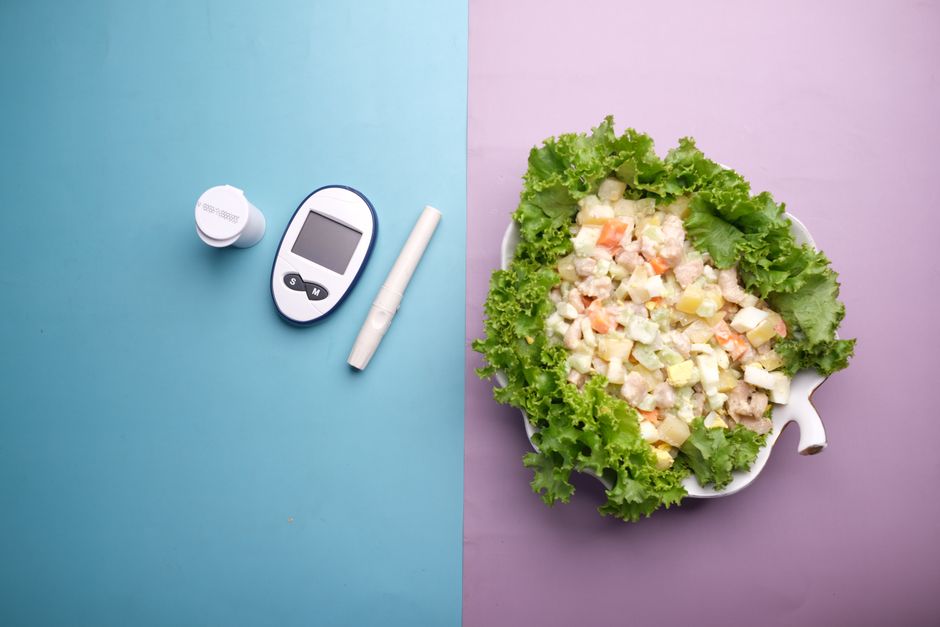
No single food can quickly lower your blood sugar like medication can. But some foods help control your blood sugar by slowing down how fast sugar enters your blood or by making your body more sensitive to insulin. These include foods high in fiber, protein, and healthy fats, along with non-starchy vegetables and whole grains. Choosing these foods regularly can help keep your blood sugar from spiking after meals.
What Does It Mean for a Food to “Lower” Blood Sugar?
This phrase can be misleading. No food actively pulls sugar out of your bloodstream the way insulin does. Instead, certain foods help prevent blood sugar from rising too high or too fast. When blood sugar stays more stable, the body has an easier time managing glucose levels.
Foods that contain fiber, protein, or fat slow down digestion. This means carbohydrates break down more slowly, and glucose enters the blood gradually rather than all at once. Some foods also improve how your cells respond to insulin, making it easier for glucose to move out of the blood and into cells.
Which Foods Help Control Blood Sugar?
Research consistently shows that the following foods are helpful for blood sugar management. They work by providing slow-release energy, improving insulin function, or adding volume without many carbohydrates.
- Non-starchy vegetables – Leafy greens, broccoli, cauliflower, bell peppers, zucchini. These are low in carbohydrates and high in fiber. You can eat generous portions without raising blood sugar much.
- Whole grains – Oats, barley, quinoa, brown rice. Unlike refined grains, whole grains contain the entire grain kernel, which provides more fiber and slows digestion.
- Legumes – Lentils, chickpeas, black beans, kidney beans. They are high in fiber and protein and have a low glycemic index. Studies show they can improve blood sugar control, especially when eaten in place of refined carbohydrates.
- Nuts and seeds – Almonds, walnuts, flaxseeds, chia seeds. They provide healthy fats, fiber, and protein. Portion size matters because they are calorie-dense, but even a small handful can blunt the blood sugar rise from a meal.
- Fatty fish – Salmon, mackerel, sardines. These fish are rich in omega-3 fatty acids, which some research links to better insulin sensitivity. The evidence for a direct blood sugar effect is modest, but the overall health benefits are clear.
- Berries – Strawberries, blueberries, raspberries. They have a lower sugar content than most fruits and are packed with fiber and antioxidants. Some small studies suggest berries may improve post-meal blood sugar responses.
No single food is a cure. The key is eating a balanced diet built around these foods while limiting processed carbohydrates and added sugars.
What About Vinegar, Cinnamon, and Other Home Remedies?
Some studies suggest that vinegar, especially apple cider vinegar, may help reduce the rise in blood sugar after a meal. The proposed mechanism is that acetic acid can slow down the breakdown of starches. However, the effect is modest, and vinegar is not a treatment for high blood sugar. It should only be used in small amounts, and it is not safe for everyone.
Cinnamon is often promoted as a blood sugar lower. Some small trials have shown a small reduction in fasting blood sugar in people with type 2 diabetes. But larger, better-designed studies have not confirmed this benefit. The evidence is mixed, and no clinical guidelines recommend cinnamon for blood sugar control.
Other popular remedies like bitter melon, berberine, or fenugreek have some supportive research, but the studies are small or inconsistent. Berberine, a compound found in some plants, has shown promise in lowering blood sugar, but its safety and long-term effects are not well established. Speak with a doctor before trying any supplement or concentrated remedy.



Why Do Fiber and Protein Matter for Blood Sugar?
Fiber is a type of carbohydrate that your body cannot digest. It passes through your digestive system largely unchanged. This slows down the absorption of other carbohydrates and prevents rapid spikes in blood sugar. Soluble fiber, found in oats, barley, beans, and apples, seems especially effective.
Protein helps with blood sugar control in several ways. It promotes a feeling of fullness, which can prevent overeating. It also stimulates the release of hormones that slow stomach emptying. Eating protein with a carbohydrate-containing meal can reduce the peak blood sugar level afterward.
Putting these together, a meal that contains both fiber and protein—like a lentil soup with vegetables or oatmeal with nuts and berries—is more likely to keep blood sugar steady than a meal of refined grains and sugar alone.
Can a Single Food or Meal Quickly Lower Blood Sugar?
No. If your blood sugar is high—for example, above 180 mg/dL after a meal—no food will bring it down quickly. The only rapid way to lower blood sugar is with insulin or other diabetes medication, and only under medical guidance. Physical activity can also help lower blood sugar, but it works over minutes to hours, not instantly.
This is an important distinction. Eating more food, even healthy food, does not immediately reduce existing high blood sugar. The role of diet is primarily preventive: choosing the right foods helps avoid future spikes and supports long-term average glucose levels.
What Foods Should You Avoid for Stable Blood Sugar?
To keep blood sugar in a healthy range, it helps to limit foods that are quickly digested into glucose. These include:
- Sugary drinks – soda, fruit juice, sweetened coffees and teas
- Refined grains – white bread, white rice, most breakfast cereals, crackers
- Sweet snacks – candy, cookies, pastries, desserts
- Highly processed foods – many packaged snacks, fast food items that combine refined carbs with added sugar and unhealthy fats
These foods cause a rapid rise in blood sugar, often followed by a sharp drop. Over time, frequent spikes can worsen insulin resistance and make blood sugar harder to control.
What the Research Does and Does Not Show
There is strong evidence that a diet rich in fiber, whole grains, nuts, legumes, and low in refined carbohydrates improves glycemic control. This is why these patterns are recommended by major health organizations like the American Diabetes Association. However, no single food has been proven to reverse diabetes or eliminate the need for medication.
Some nutrition claims go beyond what clinical trials support. For example, green tea, dark chocolate, and coconut oil are sometimes marketed as blood sugar helpers, but the evidence for a meaningful effect is weak. Do not assume a food is effective just because it is natural or widely promoted.
Frequently Asked Questions
Can cinnamon lower blood sugar?
Some studies show a very small reduction in fasting blood sugar with cinnamon, but the effect is inconsistent and not strong enough to recommend it as a treatment.
What is the best breakfast for blood sugar control?
A breakfast with protein, fiber, and healthy fat—such as eggs with vegetables, oatmeal with nuts and berries, or Greek yogurt with flaxseed—helps keep blood sugar stable.
Do apples lower blood sugar?
Apples contain fiber and have a low glycemic index, so they do not spike blood sugar the way high-sugar fruits or fruit juice do. But they do not actively lower blood sugar.
Is apple cider vinegar effective for blood sugar?
Some research suggests vinegar may modestly reduce post-meal blood sugar spikes, but it is not a reliable treatment and should not replace medication.
