
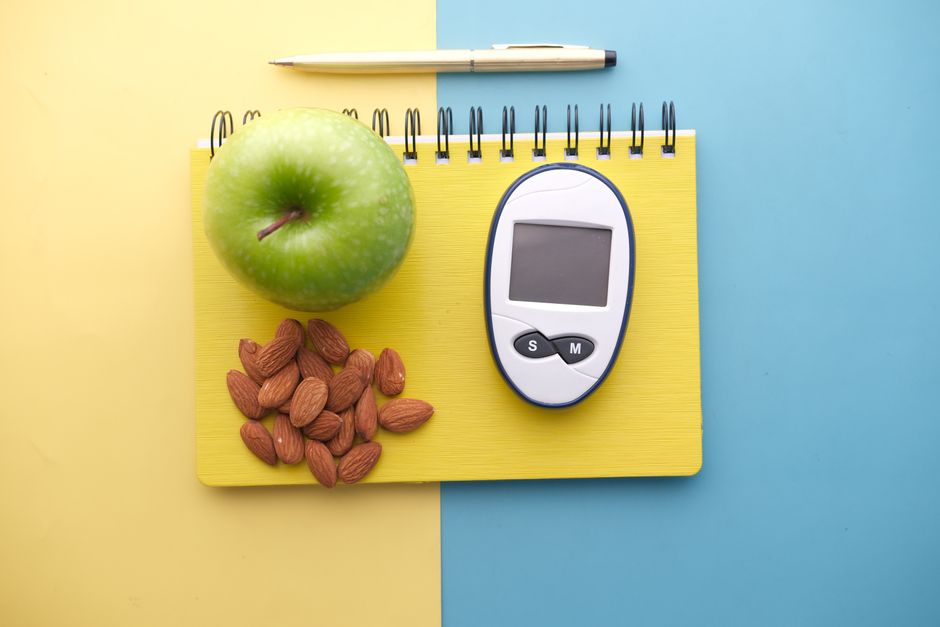
Low blood sugar, or hypoglycemia, happens when your glucose level drops below 70 mg/dL. The fastest treatment is to eat 15 grams of quick-acting carbohydrates, wait 15 minutes, and recheck your level. If it is still low, repeat the 15-15 rule. Prevention relies on eating regular meals, adjusting medication timing, and checking blood sugar often throughout the day.
What Exactly Is Low Blood Sugar and Why Does It Happen?
Low blood sugar means your body does not have enough glucose for fuel. Glucose is your brain and muscles main energy source. When levels drop too low, your body sends warning signals.
For people with diabetes, hypoglycemia is usually a side effect of medication. Insulin and some oral diabetes drugs can lower blood sugar too much if the dose is too high, meals are skipped, or exercise is more intense than usual. Current research suggests that tight blood sugar control, while beneficial long term, increases the risk of hypoglycemic episodes.
For people without diabetes, low blood sugar is less common. It can happen after a very heavy meal, called reactive hypoglycemia, or from certain medical conditions like liver disease or a rare pancreatic tumor. In most healthy adults, the body regulates blood sugar well on its own.
What Are the Warning Signs of Low Blood Sugar?
The symptoms come on fast. Do not ignore them. Early signs include shakiness, sweating, hunger, and a racing heart. You might feel anxious or irritable for no clear reason.
As blood sugar drops further, confusion, dizziness, and blurred vision set in. Slurred speech and clumsiness can look like being drunk. Severe hypoglycemia can cause seizures or loss of consciousness.
Some people do not feel symptoms until their blood sugar is dangerously low. This is called hypoglycemia unawareness. It is more common in people who have had diabetes for many years or who run tight blood sugar control. If you have this condition, checking your blood sugar frequently is your only reliable safety net.
How Do You Treat Low Blood Sugar Steps And Prevention Using the 15-15 Rule?
The 15-15 rule is the standard emergency treatment. It is simple and backed by decades of clinical practice. Here is how it works.
- Step 1: Check your blood sugar. If it is below 70 mg/dL, treat immediately.
- Step 2: Eat or drink exactly 15 grams of quick-acting carbohydrates. Good options include 4 glucose tablets, 4 ounces of regular soda, 1 tablespoon of sugar or honey, or half a cup of fruit juice.
- Step 3: Wait 15 minutes. Do not eat more during this time.
- Step 4: Recheck your blood sugar. If it is still below 70 mg/dL, repeat steps 2 and 3.
- Step 5: Once your blood sugar is above 70 mg/dL and you feel better, eat a small snack with protein or complex carbs if your next meal is more than an hour away. This prevents another drop.
Do not overeat during treatment. Eating too much sugar when you are low can spike your blood sugar high afterward. That is why the 15-15 rule works so well. It corrects the low without overshooting.





What Foods Work Best for Treating Low Blood Sugar?
Not all foods work for an emergency. You need fast-acting carbs that hit your bloodstream within minutes. Table 1 below shows what works and what does not.
| Food or Drink | Carbs per Serving | Works Fast? | Notes |
|---|---|---|---|
| Glucose tablets (4) | 15 grams | Yes | Most reliable option |
| Fruit juice (½ cup) | 15 grams | Yes | Works well, easy to carry |
| Regular soda (4 oz) | 15 grams | Yes | Not diet soda |
| Honey or sugar (1 tbsp) | 15 grams | Yes | Dissolves quickly in mouth |
| Chocolate bar | Variable | No | Fat slows absorption |
| Ice cream | Variable | No | Fat and protein delay effect |
| Whole grain crackers | Variable | No | Fiber slows digestion |
| Fruit with skin | Variable | No | Fiber slows sugar release |
Chocolate, ice cream, and whole grains are not emergency treatments. They take too long to raise blood sugar. Stick with liquid sugar or glucose tablets for speed. As of 2026, glucose tablets remain the standard recommendation because they are precise and predictable.
How Do You Prevent Low Blood Sugar From Happening?
Prevention is about consistency. For people with diabetes, the most common cause of hypoglycemia is a mismatch between medication, food, and activity.
Eat meals at regular times. Do not skip breakfast or delay lunch by several hours. If you take insulin or sulfonylureas, your medication schedule should match your meal schedule. Some studies suggest that eating smaller, more frequent meals can reduce the risk of lows, especially for reactive hypoglycemia.
Check your blood sugar before driving, before exercise, and at bedtime. These are high-risk times. If your blood sugar is trending downward before a workout, eat a small carb snack first. Adjust your insulin dose for exercise if your doctor advises it.
Alcohol is a hidden cause of hypoglycemia. Drinking can lower blood sugar for up to 12 hours afterward, especially if you drink on an empty stomach. If you drink, eat food with your alcohol and check your blood sugar before bed. Do not skip your evening snack if you have one.
What Should You Do If Someone Else Has Severe Low Blood Sugar?
If a person is conscious but confused, help them sit down and give them a quick-acting carb. If they can swallow, juice or glucose gel works. Do not try to force food into someone who is unconscious. They could choke.
For severe hypoglycemia where the person is unconscious or having a seizure, call 911 immediately. If they have a glucagon emergency kit, someone trained should give the injection or nasal spray. Glucagon raises blood sugar by telling the liver to release stored glucose. It works in minutes.
Glucagon kits are prescription only. If you live with someone who has diabetes, ask their doctor if you should have one on hand. Nasal glucagon, called Baqsimi, is easier to use than injectable glucagon because it does not require mixing or needles.
After the person recovers, they need to eat a snack and be monitored. A second low can follow the first if the cause is not addressed.
Common Misconceptions About Low Blood Sugar Treatment
One persistent myth is that diet soda or sugar-free candy works for low blood sugar. It does not. These products contain artificial sweeteners that do not raise blood glucose. They are useless in an emergency.
Another myth is that eating a full meal is better than 15 grams of carbs. A large meal takes too long to digest and can cause a blood sugar spike two hours later. Stick with the 15-15 rule. It is precise for a reason.
Some people think they can outrun hypoglycemia with willpower. You cannot. Low blood sugar is a biochemical problem, not a mental one. If your glucose drops, you must treat it with carbohydrates. Waiting it out is dangerous.
Finally, not everyone experiences the same symptoms. One person might feel shaky at 65 mg/dL while another feels fine at 55 mg/dL. Do not rely on how you feel alone. Test your blood sugar when you suspect a low.
Frequently Asked Questions
How fast does the 15-15 rule work?
Most people feel better within 10 to 15 minutes after taking 15 grams of carbs. If your blood sugar does not rise, repeat the treatment once more and seek medical help if it stays low.
Can you have low blood sugar without diabetes?
Yes, though it is less common. Reactive hypoglycemia can occur a few hours after a high-carb meal. Other causes include certain medications, liver disease, or a rare insulin-producing tumor.
What is the best snack to prevent low blood sugar overnight?
A small snack with protein and complex carbs works best. Try half a peanut butter sandwich, a handful of nuts with a piece of fruit, or a small yogurt. This helps keep your blood sugar stable through the night.
Is it safe to drive with low blood sugar?
No. Do not drive if your blood sugar is below 70 mg/dL. Treat the low first, wait until you feel normal, and check that your level is above 70 before getting behind the wheel.
