
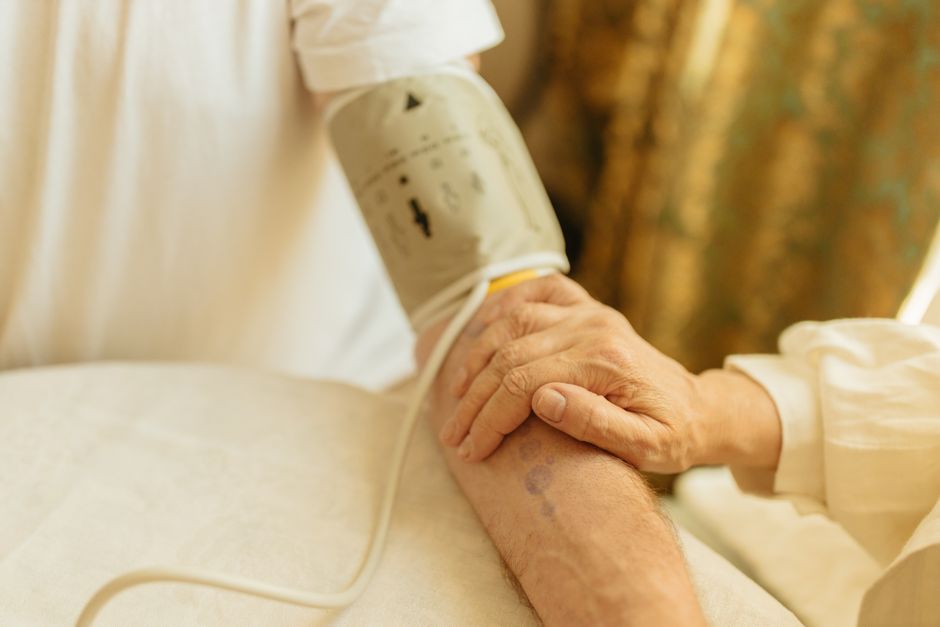
When blood vessels expand, blood flows more freely. This process is called vasodilation. It lowers blood pressure and improves circulation. Three things reliably cause vasodilation: heat, exercise, and certain foods. Heat relaxes the smooth muscle in vessel walls. Exercise triggers the release of nitric oxide, a molecule that signals vessels to widen. Foods rich in nitrates—like leafy greens and beets—supply the body with the raw materials to make more nitric oxide. Together, these three approaches form a natural toolkit for better vascular health.
How Does Heat Cause Blood Vessels to Expand?
Heat directly relaxes the smooth muscle cells that line blood vessel walls. When you step into a sauna or take a hot bath, your body temperature rises. Your skin’s blood vessels dilate to release heat. This is why skin looks flushed after a hot shower.
The mechanism involves several pathways. Heat activates TRPV1 receptors on nerve endings. This triggers the release of calcitonin gene-related peptide (CGRP) and substance P, both potent vasodilators. Heat also increases nitric oxide production in endothelial cells. Nitric oxide is the primary chemical signal for vasodilation.
Studies consistently show that sauna bathing temporarily lowers blood pressure and improves arterial function. A typical sauna session at 80–100°C (176–212°F) for 10–15 minutes produces measurable drops in systolic blood pressure. These effects are temporary but regular use may improve long-term vascular health. Some European studies have linked frequent sauna use to lower cardiovascular mortality. However, most of this evidence is observational. Causal mechanisms are well understood, but exact clinical recommendations vary.
Safety note: People with low blood pressure or heart conditions should use heat cautiously. Alcohol before saunas increases risk of fainting. Stay hydrated.
What Foods and Drinks Expand Blood Vessels?
Several dietary components support vasodilation. The most well-researched are dietary nitrates, flavonoids, and certain fatty acids.
Nitrate-rich foods include spinach, arugula, beetroot, celery, and lettuce. The body converts dietary nitrate into nitrite, then into nitric oxide. Beetroot juice has been studied extensively. Research published in the British Journal of Nutrition found that beetroot juice significantly lowers blood pressure within hours. Nitrates are most effective in people with higher baseline blood pressure. Effects peak 2–3 hours after consumption.
Flavonoid-rich foods also promote vasodilation. Cocoa, dark chocolate, berries, citrus fruits, tea, and red wine contain these compounds. Flavonoids stimulate nitric oxide production and improve endothelial function. A meta-analysis in the American Journal of Clinical Nutrition found that cocoa flavanols improved flow-mediated dilation, a measure of vessel flexibility, by about 30% on average. The effect lasts 3–6 hours after consumption.
Pomegranate juice and watermelon contain citrulline and antioxidants that may support vasodilation. Watermelon is a natural source of citrulline, an amino acid the body converts to arginine and then to nitric oxide. Evidence here is less robust than for nitrates but some controlled trials show modest blood pressure reductions.
Garlic may also help. Allicin, a sulfur compound in garlic, triggers nitric oxide release. Human trials show small but consistent blood pressure reductions from raw or aged garlic extract. The effect is modest—usually 5–10 mmHg systolic.
What about supplements? L-arginine and L-citrulline supplements are sold for vascular health. Some studies show benefit. Others show no change. The body tightly regulates arginine availability. Oral arginine supplements often fail to increase nitric oxide production because the gut and liver break down most of it. Citrulline bypasses this metabolism better. Evidence is not strong enough to recommend routine supplementation. Food sources are safer and more reliable.
Important: No food or drink alone can replace medication or lifestyle management for hypertension or vascular disease. Dietary vasodilation is temporary and modest.
How Does Exercise Expand Blood Vessels?
Exercise is one of the most potent vasodilators. During physical activity, working muscles demand more oxygen. The body responds by increasing blood flow to those muscles. This happens through both local and systemic mechanisms.
Locally, contracting muscles release metabolites—adenosine, hydrogen ions, carbon dioxide—that dilate nearby arterioles. Systemically, the sympathetic nervous system increases heart rate while selectively constricting vessels in non-essential organs. The net effect is a large increase in blood flow to active muscles.
The key molecule is nitric oxide. Exercise increases shear stress on endothelial cells. Shear stress activates endothelial nitric oxide synthase (eNOS), the enzyme that produces nitric oxide. Over time, regular exercise upregulates eNOS expression. This means the vessels become better at dilating even at rest.
Aerobic exercise—walking, jogging, cycling, swimming—produces the most consistent vasodilation benefits. Moderate intensity (brisk walk where you can talk but not sing) for 30 minutes most days of the week is the standard recommendation. Resistance training also improves endothelial function, though the acute effect is smaller.
Studies show that 4–6 weeks of regular aerobic exercise can significantly improve flow-mediated dilation in the brachial artery. This correlates with reduced cardiovascular risk. The effect is dose-dependent: more exercise generally yields more benefit, but even short bouts help. A 10-minute brisk walk can temporarily lower blood pressure for several hours.
High-intensity interval training (HIIT) also works. HIIT produces large shear stress peaks that strongly stimulate NO production. Some research suggests HIIT may improve vascular function faster than moderate continuous training. However, it also carries higher injury risk and may not be suitable for everyone.
Safety: Anyone with diagnosed cardiovascular disease should check with a doctor before starting a new exercise program. People on blood pressure medications may experience drops in pressure during exercise. Stay hydrated and stop if you feel chest pain, dizziness, or unusual shortness of breath.



What Expands Blood Vessels Diet Exercise Heat?
Heat, diet, and exercise all expand blood vessels through different but overlapping pathways. The common thread is nitric oxide. Heat triggers NO production via TRPV1 and direct endothelial stimulation. Dietary nitrates and flavonoids provide substrate or cofactors for NO synthesis. Exercise increases shear stress, which upregulates eNOS and NO release.
Combining these approaches may produce additive effects. For example, eating a beetroot salad then going for a brisk walk could amplify vasodilation. Using a sauna after exercise may prolong the post-exercise blood pressure dip. However, no large trial has directly tested combined effects. Clinical guidance remains conservative: regular physical activity and a diet rich in vegetables, fruits, and whole grains are the foundation. Heat therapies like sauna or hot baths offer additional benefit but are not a replacement for lifestyle measures.
Which is most effective? For long-term vascular health, exercise has the strongest evidence. For acute, immediate vasodilation, heat works fastest. Dietary changes are subtle and require repeated intake. None of these methods should be used to manage serious conditions without medical supervision.
Does Cold Constrict Blood Vessels?
Yes. Cold causes vasoconstriction—the opposite of vasodilation. This is a protective reflex to preserve core body heat. Cold exposure tightens blood vessels in the skin and extremities. This is why fingers turn pale in cold water.
Some people use contrast therapy (alternating hot and cold) to improve circulation. The theory is that alternating vasodilation and vasoconstriction creates a pumping effect that moves blood through tissues. Evidence for this is limited. Small studies show increased blood flow after contrast therapy, but it is unclear whether this translates to any meaningful health benefit. Athletes sometimes use it for recovery, but recent reviews question its efficacy.
What About Spicy Foods and Alcohol?
Capsaicin, the compound that makes chili peppers hot, activates TRPV1 receptors—the same receptors heat activates. This causes a transient vasodilation and flushing. The effect is small and short-lived. Some people feel their nose run or face flush after spicy food. There is no evidence that regular consumption of spicy food improves long-term vascular health.
Alcohol has a mixed effect. In small amounts, alcohol can cause mild vasodilation, which is why some people feel warm after a drink. But alcohol also has a direct toxic effect on blood vessels. Chronic use damages the endothelium and increases blood pressure. The American Heart Association recommends against starting alcohol for health reasons.
Are There Risks to Vasodilation?
Excessive or uncontrolled vasodilation can cause problems. Hypotension (low blood pressure) can lead to dizziness, fainting, and falls. Severe vasodilation can occur with heat stroke, dehydration, allergic reactions, or certain medications. Nitrate supplements, especially in high doses, can cause dangerous drops in blood pressure.
People taking Viagra or other PDE5 inhibitors for erectile dysfunction should avoid combining them with nitrate-rich foods or supplements. The interaction can cause profound hypotension. This is a well-documented risk.
Overusing heat therapies—long sauna sessions, scalding hot baths—can lead to dehydration, electrolyte imbalance, and heat exhaustion. Always listen to your body. If you feel lightheaded, stop.
Frequently Asked Questions
Does drinking hot water expand blood vessels?
Yes, hot water raises core body temperature, which triggers vasodilation in the skin. The effect is mild compared to a hot bath or sauna and lasts only minutes.
How long after eating beets do blood vessels expand?
Blood pressure reduction from beetroot juice typically begins within 1–2 hours and peaks at 2–3 hours after consumption. The effect lasts about 6 hours.
Can exercise expand blood vessels in the brain?
Yes. Aerobic exercise increases cerebral blood flow, partly through nitric oxide and partly through increased cardiac output. This is one reason exercise is linked to better cognitive function.
Is it safe to use a sauna every day for blood vessel health?
For most healthy adults, daily sauna use (10–15 minutes) appears safe and may benefit vascular function. Check with your doctor if you have low blood pressure, heart disease, or are pregnant.
