

Anaphylaxis causes low blood pressure because it triggers a massive release of chemical signals that force blood vessels to widen and leak fluid into surrounding tissues. With vessels dilated and fluid escaping the bloodstream, there is less blood volume and less resistance to keep pressure up. Blood pressure can fall within minutes, which is why anaphylaxis is treated as a medical emergency.
Why Does Anaphylaxis Cause Low Blood Pressure?
Blood pressure depends on two things working together. The heart pumps a certain volume of blood, and the blood vessels maintain a certain amount of tone, or resistance. Anaphylaxis attacks both.
During anaphylaxis, immune cells called mast cells and basophils release large amounts of histamine and other mediators. These chemicals bind to receptors on blood vessel walls. The vessels relax and widen, a process called vasodilation. Wider vessels mean lower resistance, and lower resistance means lower pressure.
At the same time, these same mediators make capillaries more permeable. Fluid that normally stays inside the bloodstream leaks out into tissues. This is why people in anaphylaxis can develop swelling of the face, lips, and throat. The swelling you see on the outside is happening on the inside too, and it means blood volume is dropping.
So the problem is twofold. The pipes have gotten wider, and there is less fluid inside them. Both push blood pressure down. This combination is what makes anaphylactic shock different from other forms of shock, where usually only one of these mechanisms is at work.
What Happens Inside the Body During Anaphylaxis?
Anaphylaxis is an immune reaction that goes far beyond the site of exposure. It is a whole-body event, and it unfolds fast.
The process usually starts when a person encounters something they are allergic to. Common triggers include foods, insect stings, certain medications, and latex. The immune system recognizes the substance and activates IgE antibodies, which sit on the surface of mast cells. When the trigger binds to these antibodies, the mast cells release their contents in a burst.
Histamine is the best-known mediator, but it is not the only one. Tryptase, leukotrienes, prostaglandins, and platelet-activating factor also play roles. Each contributes to the symptoms.
The effects show up across multiple body systems at once:
- Skin: hives, flushing, itching
- Airways: wheezing, throat tightness, trouble breathing
- Gut: nausea, vomiting, cramping, diarrhea
- Heart and vessels: rapid pulse, dizziness, fainting, falling blood pressure
Not everyone gets every symptom. Some people have skin signs first, while others go straight to breathing trouble or a drop in blood pressure. The absence of hives does not rule out anaphylaxis. In fact, a significant number of severe reactions involve little or no skin involvement, which is one reason they can be missed early.
How Fast Can Blood Pressure Drop?
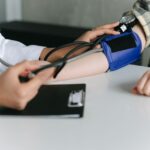
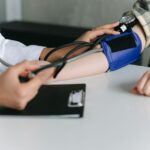
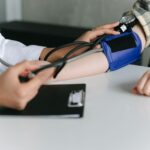
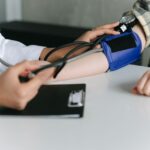
Blood pressure can fall within minutes of exposure. In severe cases, collapse can happen so quickly that there is little warning.
This speed is what separates anaphylaxis from most other allergic reactions. A mild allergy might cause itching or a rash over hours. Anaphylaxis progresses on a much shorter timeline, and the cardiovascular effects can appear before or alongside other symptoms.
The rapid drop happens because the mediators are released all at once, not gradually. Mast cells degranulate in a coordinated burst, so the effects on vessels and capillaries hit simultaneously. The body’s normal compensation mechanisms, such as a faster heart rate and tighter vessels, are overwhelmed by the scale of the response.
This is also why waiting to see if symptoms improve is dangerous. By the time blood pressure has dropped noticeably, the reaction is already advanced.

Why Do Some People Get Anaphylactic Shock?
Anaphylactic shock is anaphylaxis plus a failure of blood pressure to hold. Not everyone who has anaphylaxis develops shock, and the reasons are not fully understood.
Several factors appear to raise the risk of a more severe reaction. Asthma, especially poorly controlled asthma, is associated with worse outcomes. So is a history of prior severe reactions. People with certain cardiovascular conditions may tolerate a drop in blood pressure less well.
Medications can also play a role. Some drugs used to treat high blood pressure, particularly beta-blockers, may make it harder for the body to respond to standard anaphylaxis treatment. This does not mean these medications cause anaphylaxis. It means that in someone who is already having a reaction, the usual compensatory responses and treatment effects can be blunted. Anyone on such medications who has a known allergy should discuss this with their clinician in advance.
There is also variation in how much mediator a person’s mast cells release. Some people simply mount a larger response than others. The reasons for this are an active area of research and not yet fully explained.
Why Is Epinephrine the First Treatment?
Epinephrine is the only medication that reverses the cardiovascular collapse of anaphylaxis. It works directly against the two main problems.
Epinephrine constricts blood vessels, which restores resistance and raises blood pressure. It also tightens the leaky capillaries, helping keep fluid inside the bloodstream. At the same time, it relaxes the airways and reduces swelling. No other single drug does all of these things.
Antihistamines and corticosteroids are sometimes given alongside epinephrine, but they do not treat the blood pressure drop. Antihistamines mainly help with itching and hives. Corticosteroids work too slowly to matter in an acute emergency. Neither is a substitute for epinephrine.
Epinephrine is given by injection into the outer thigh. People with known severe allergies often carry an auto-injector for this purpose. The dose and device vary by product and by the person’s weight, so the specific instructions come from a clinician and the device label, not from general guidance.
If you are unsure whether a reaction is anaphylaxis, the guidance from allergy organizations is to use epinephrine and seek emergency care. Delaying treatment is associated with worse outcomes. This is one area where the clinical direction is clear.
Anyone who has received epinephrine for a suspected anaphylactic reaction should still be evaluated in an emergency setting. Symptoms can return hours later without further exposure, a pattern called a biphasic reaction. The timing and likelihood of this vary, which is why observation after treatment matters.
What Other Conditions Can Cause Sudden Low Blood Pressure?
A sudden drop in blood pressure is not unique to anaphylaxis. Several other conditions can produce a similar picture, and telling them apart matters because the treatment differs.
| Condition | Key Features | Main Mechanism |
|---|---|---|
| Anaphylaxis | Rapid onset, often with skin, airway, or gut symptoms | Vasodilation plus fluid leak |
| Septic shock | Fever, signs of infection, gradual onset | Vasodilation from infection |
| Cardiogenic shock | Chest pain, weak pulse, fluid in lungs | Heart pump failure |
| Severe blood loss | Known injury or bleeding | Lost blood volume |
| Vasovagal syncope | Fainting after trigger, quick recovery | Temporary nerve reflex |
The overlap is real. Someone having a severe reaction without skin symptoms can look similar to someone in septic shock. This is why emergency evaluation relies on the full picture, including recent exposures, symptom timing, and physical findings, not on any single sign.
An important distinction is that anaphylaxis usually involves more than one body system. A drop in blood pressure alone, without other signs, points toward other causes. A drop in blood pressure together with airway swelling, hives, or gut symptoms points strongly toward anaphylaxis.
What Should You Do If You Suspect Anaphylaxis?
Treat it as an emergency. Call 911 immediately.
If the person has a prescribed epinephrine auto-injector, use it without waiting to see if symptoms resolve on their own. The injection goes into the outer thigh and can be given through clothing. If symptoms do not improve and emergency help has not arrived, a second dose may be given, following the instructions on the device and guidance from the dispatcher.
Have the person lie flat with legs raised, unless breathing is difficult or they are vomiting. Sitting up suddenly or standing can worsen the blood pressure drop. Do not let someone who is feeling faint walk or stand.
After treatment, everyone needs to be seen by a medical professional. Even if symptoms improve after epinephrine, a reaction can return. The decision about how long to observe is made by clinicians based on the individual case.
For the long term, anyone who has had anaphylaxis should see an allergist. Identifying the trigger and having a written emergency plan reduces the risk of a future reaction being undertreated. Avoidance of known triggers is the main preventive step, though it is not always possible.
Frequently Asked Questions
Can anaphylaxis cause low blood pressure without a rash?
Yes. A drop in blood pressure can be the main or only visible sign, and skin symptoms may be absent or easy to miss. This is one reason severe reactions are sometimes not recognized right away.
How low can blood pressure go during anaphylaxis?
There is no single number, because it depends on the person’s baseline and how fast the reaction progresses. In anaphylactic shock, pressure can fall enough to cause fainting, collapse, or loss of consciousness.
Does epinephrine raise blood pressure during anaphylaxis?
Yes. Epinephrine constricts blood vessels and reduces capillary leakage, which helps restore blood pressure. It also opens the airways and reduces swelling.
Is low blood pressure always a sign of anaphylaxis?
No. Many conditions can cause a sudden drop in blood pressure, including infection, heart problems, and blood loss. Anaphylaxis is more likely when the drop comes with airway, skin, or gut symptoms and follows a known or possible exposure.
