

Dizziness is a common complaint, and many people wonder if their blood pressure is the cause. The short answer is that high blood pressure rarely causes dizziness on its own. However, the two are connected in important ways, and dizziness can sometimes be a sign of a blood pressure problem that needs attention.
What Does High Blood Pressure Actually Feel Like?
Most of the time, high blood pressure produces no symptoms at all. This is why it is often called a “silent condition.” People can have blood pressure readings of 180/120 or higher and feel perfectly fine.
When symptoms do appear, they are more likely to include headaches, shortness of breath, or nosebleeds. Dizziness is not a typical symptom of routine high blood pressure. If you feel dizzy and your blood pressure is only mildly elevated, the dizziness is probably coming from something else.
When Can High Blood Pressure Cause Dizziness?
A sudden spike in blood pressure can sometimes cause dizziness. This is different from the everyday mild elevations that most people have. Blood pressure that rises very quickly to dangerous levels can affect blood flow to the brain and produce symptoms like dizziness, confusion, or vision changes.
This situation is a medical emergency. A reading of 180/120 or higher, especially with symptoms like dizziness, chest pain, or trouble speaking, requires immediate medical care. Do not wait to see if it passes.
Does High Blood Pressure Cause Dizziness? The Role of Medication
Blood pressure medications are a more common cause of dizziness than high blood pressure itself. Many of these medicines work by relaxing blood vessels or reducing fluid volume. When they lower blood pressure too much, or when the body adjusts to the new level, dizziness can result.
This often happens when you stand up too quickly. Blood pools in your legs, and your blood pressure drops momentarily before your body compensates. This is called orthostatic hypotension, and it is a known side effect of many blood pressure drugs. If this happens regularly, talk to your doctor about adjusting the dose or timing of your medication.


How Low Blood Pressure Causes Dizziness
Low blood pressure is far more likely to cause dizziness than high blood pressure. When blood pressure drops, less blood reaches the brain. The brain responds with lightheadedness, blurred vision, or fainting.
Some people naturally run low, with readings around 90/60, and feel fine. Others experience symptoms when their pressure drops suddenly. Dehydration, prolonged standing, hot weather, and certain medications can all trigger this type of dizziness.
What Else Could Be Causing Your Dizziness?
Because high blood pressure is rarely the culprit, it is worth considering other causes. Dizziness has many possible origins, and some are more serious than others.
Inner ear problems are among the most common causes. Benign paroxysmal positional vertigo, or BPPV, happens when tiny calcium crystals move into the wrong part of the inner ear. It produces a spinning sensation that usually lasts less than a minute and is triggered by head movements.
Vestibular neuritis is an inflammation of the inner ear nerve, often after a viral infection. It causes sudden, severe vertigo that can last for days. Meniere’s disease involves fluid buildup in the ear and brings episodes of vertigo along with ringing in the ears and hearing loss.
Heart rhythm problems can also cause dizziness. If your heart does not pump effectively, the brain gets less blood. An irregular heartbeat, or arrhythmia, may cause lightheadedness, especially with exertion.
Anemia reduces the oxygen-carrying capacity of your blood. People with low iron levels often feel weak, tired, and dizzy. Anxiety and panic attacks can produce dizziness as well, often accompanied by a racing heart and shortness of breath.
Blood sugar swings are another possibility. Low blood sugar, or hypoglycemia, can cause shakiness, confusion, and dizziness. This is most relevant for people with diabetes who take insulin or certain oral medications.
What to Do When You Feel Dizzy
If you feel dizzy, sit down or lie flat right away. This reduces the risk of falling and injuring yourself. If you are standing, do not try to walk to another room. Lower yourself to the floor slowly and safely.
If you have a blood pressure monitor, check your reading. Write down the number and any symptoms you feel. This information helps your doctor understand what is happening.
Drink water if you might be dehydrated. Dehydration lowers blood volume and can make dizziness worse. Eat something if you have not eaten in several hours. Low blood sugar can cause or worsen dizziness.
Do not drive or operate machinery while dizzy. Wait until the sensation fully passes and you feel steady on your feet.
When to See a Doctor About Dizziness
Occasional mild dizziness that passes quickly is usually not an emergency. But certain situations warrant medical attention.
See a doctor if you have dizziness that keeps coming back, lasts for more than a few minutes, or interferes with your daily activities. Also seek care if the dizziness is accompanied by hearing loss, ringing in the ears, or severe headache.
Seek emergency care immediately if dizziness comes with any of these warning signs:
- Chest pain or pressure
- Trouble speaking or understanding speech
- Weakness or numbness on one side of the body
- Difficulty walking or loss of balance
- Fainting or loss of consciousness
- A blood pressure reading of 180/120 or higher
These symptoms can indicate a stroke, heart attack, or other serious condition. Do not wait to see if they improve.
How to Track Your Blood Pressure at Home
Home monitoring gives your doctor useful information that a single office reading cannot provide. Blood pressure naturally fluctuates throughout the day, and many people have higher readings in a medical setting due to anxiety. This is called white coat hypertension.
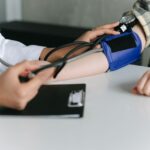
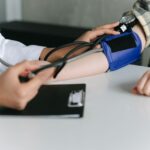
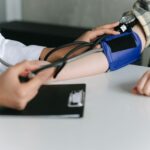
To get accurate home readings, sit quietly for five minutes first. Place the cuff on your bare upper arm at heart level. Keep your feet flat on the floor and your back supported. Do not talk during the measurement.
Take two readings one minute apart, morning and evening, for several days. Bring this log to your next appointment. Do not change your medication based on home readings without speaking to your doctor first.
Does High Blood Pressure Cause Dizziness? What the Evidence Shows
Research consistently shows that uncomplicated high blood pressure does not cause dizziness. Studies examining symptoms in people with elevated blood pressure find no reliable link between mild to moderate hypertension and dizziness.
The connection becomes relevant in specific situations. Extremely high blood pressure, a hypertensive crisis, can cause dizziness along with other serious symptoms. Blood pressure medications can cause dizziness as a side effect. And blood pressure that drops too low, whether from medication or other causes, frequently produces lightheadedness.
If you have high blood pressure and feel dizzy, the cause is likely one of these secondary factors rather than the blood pressure reading itself. Your doctor can help identify which one applies to you.
Can Treating High Blood Pressure Improve Dizziness?
Treating high blood pressure reduces your risk of heart attack, stroke, and kidney damage. These benefits are well established and substantial. But treating high blood pressure will not necessarily cure dizziness that is unrelated to your blood pressure.
If your dizziness comes from a different cause, such as an inner ear problem, lowering your blood pressure will not fix it. You need the correct diagnosis to get the right treatment. This is why a thorough evaluation matters before assuming your blood pressure is responsible for every symptom you notice.
Some people find that lifestyle changes for blood pressure, like reducing salt and increasing physical activity, also improve other aspects of their health. But this is not the same as treating the underlying cause of dizziness.
Other Health Risks Linked to High Blood Pressure
While dizziness is not a typical symptom, high blood pressure does damage the body silently over time. It strains the heart, damages blood vessel walls, and increases the workload on your kidneys.
Over years, untreated high blood pressure raises the risk of heart attack, stroke, heart failure, and kidney disease. It can also contribute to vision loss by damaging blood vessels in the retina. These risks develop gradually, which is why regular blood pressure checks matter even when you feel fine.
Keeping blood pressure in a healthy range is one of the most effective things you can do to protect your long-term health. Lifestyle changes and medication, when needed, both play important roles.
Frequently Asked Questions
Can high blood pressure make you feel dizzy all the time?
No. Persistent daily dizziness is unlikely to come from high blood pressure alone. If you feel dizzy constantly, your doctor should look for other causes such as inner ear problems, medication side effects, or heart rhythm issues.
What blood pressure reading causes dizziness?
Dizziness is more common with low blood pressure, often below 90/60, or with a sudden drop when standing. Extremely high readings of 180/120 or higher can also cause dizziness and require emergency care.
Should I stop my blood pressure medication if it makes me dizzy?
No. Stopping blood pressure medication suddenly can cause dangerous spikes in blood pressure. Contact your doctor to discuss adjusting the dose or switching to a different medication.
How do I know if dizziness is from blood pressure or something else?
Check your blood pressure when you feel dizzy and write down the reading. If it is normal, your dizziness likely has another cause. If it happens mainly when standing up quickly, it may be related to your blood pressure medication.
