
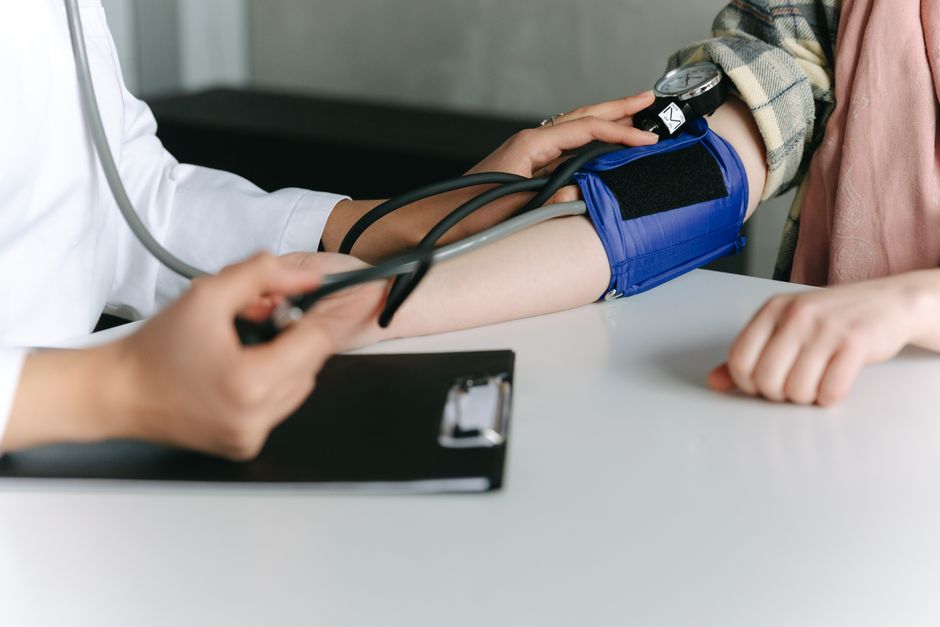
Blood pressure readings get a lot of attention when they are high, but low readings matter too. Low blood pressure, or hypotension, means your blood is pushing against your artery walls with less force than normal. For many people, this causes no problems at all. For others, it can mean dizziness, fainting, or a sign that an underlying condition needs attention. You should worry when low blood pressure causes symptoms like lightheadedness, blurry vision, or fainting, or when your reading drops suddenly. A single low reading without symptoms is usually not a medical emergency, but persistent symptoms deserve a conversation with your doctor.
What Does Low Blood Pressure Mean And When To Worry
Doctors define low blood pressure as a reading lower than 90/60 mmHg. The first number, systolic, measures pressure when your heart beats. The second number, diastolic, measures pressure between beats. A reading of 90/60 or below is technically hypotension, regardless of how you feel.
Being below that number does not automatically mean you are sick. Many healthy, active people walk around with readings in the 80s or 90s over 50s or 60s their entire lives. Their bodies simply operate at a lower baseline. The problem is not the number itself. The problem is how your body responds to that number.
You should worry when low blood pressure comes with symptoms. Dizziness when standing, fainting, confusion, cold clammy skin, rapid shallow breathing, or nausea all signal that your organs may not be getting enough blood flow. This is the difference between benign low blood pressure and symptomatic hypotension. The latter needs medical evaluation.
What Causes Blood Pressure To Drop Too Low
Blood pressure is not a fixed number. Your body adjusts it constantly based on position, activity, stress, and hydration. Several distinct mechanisms can push it too low.
Dehydration is one of the most common causes. When your blood volume drops, pressure drops with it. This happens with vomiting, diarrhea, heavy sweating, or simply not drinking enough fluids. Your body needs adequate fluid to keep your veins filled and your heart pumping against resistance.
Medications are another frequent culprit. Blood pressure drugs obviously lower pressure, but so do diuretics, some antidepressants, medications for erectile dysfunction, and certain Parkinson’s disease treatments. If you started a new medication and noticed dizziness, this is a likely connection. Never stop a prescribed medication on your own. Talk to your doctor about adjusting the dose or timing.
Heart conditions can cause low blood pressure when the heart cannot pump effectively. Arrhythmias, heart valve problems, and heart failure all reduce cardiac output. When the pump weakens, pressure falls. This type of hypotension tends to be more serious and requires cardiology evaluation.
Blood loss from injury or internal bleeding reduces blood volume directly. Severe bleeding causes a rapid, dangerous drop in pressure. This is a medical emergency requiring immediate attention.
Endocrine problems like adrenal insufficiency, low thyroid hormone, or low blood sugar can also lower pressure. These conditions affect the hormones that help regulate blood vessel tone and fluid balance.
Pregnancy commonly causes low blood pressure, especially in the first two trimesters. The circulatory system expands during pregnancy, which naturally lowers pressure. Most pregnant women tolerate this well, but fainting during pregnancy still warrants a call to your obstetrician.
What Are The Types Of Low Blood Pressure
Doctors categorize hypotension partly by when it happens. The timing helps identify the cause.
Orthostatic hypotension occurs when you stand up from sitting or lying down. Gravity pulls blood into your legs. Normally, your nervous system responds by tightening blood vessels and slightly increasing heart rate to push blood back upward. When this reflex fails, blood pools in your legs, and your brain briefly does not get enough. You feel dizzy or lightheaded within a few seconds or minutes of standing. This is more common in older adults and in people with diabetes or Parkinson’s disease.
Postprandial hypotension happens after eating. Digestion pulls blood into your stomach and intestines. In some people, especially older adults, the rest of the body does not compensate well. Blood pressure drops about 30 minutes to two hours after a meal. This can cause dizziness, lightheadedness, or even fainting after eating.
Neurally mediated hypotension involves a faulty communication between your heart and brain. Standing for long periods, intense emotion, or stress can trigger an abnormal reflex. Your heart rate slows, blood vessels dilate, and pressure drops suddenly. This type is more common in young people and can cause fainting in otherwise healthy individuals.
Severe hypotension or shock is the dangerous form. This happens when blood pressure drops so low that organs start failing. Causes include severe infection, massive blood loss, severe allergic reactions, or major burns. This is always a medical emergency.

When Should Low Blood Pressure Be Treated
Treatment depends entirely on whether you have symptoms and what is causing the low pressure. Asymptomatic low blood pressure generally does not need treatment. There is no evidence that treating a symptom-free reading of 85/55 improves health outcomes. In fact, some research suggests that slightly lower blood pressure is associated with longer life expectancy in older adults.
Symptomatic hypotension changes the picture. If you faint, you could injure yourself in the fall. If you feel dizzy during daily activities, your quality of life suffers. In these cases, treatment targets the underlying cause rather than the number itself.
If medications are causing the problem, your doctor may adjust doses, change timing, or switch drugs. If dehydration is the cause, increasing fluid and salt intake may help. If an underlying condition like thyroid disease or heart rhythm problems is responsible, treating that condition usually resolves the hypotension.
No clinical guidelines currently exist for treating asymptomatic low blood pressure in healthy adults. The evidence simply does not support intervening. Doctors focus on symptom relief and fall prevention when symptoms are present.
How To Manage Mild Symptoms At Home
For mild, occasional symptoms like slight dizziness when standing, some strategies can help. These are general lifestyle measures, not medical prescriptions.
Stand up slowly. When you rise from lying down, sit on the edge of the bed for a minute first. When rising from a chair, hold onto something stable. This gives your circulatory system time to adjust.
Drink more water. Adequate hydration keeps your blood volume up. If you are prone to low blood pressure, aim for consistent fluid intake throughout the day rather than large amounts at once.
Review your salt intake. Sodium raises blood pressure. For people with chronic hypotension, a moderate increase in dietary salt may help. Do not do this without talking to your doctor first, especially if you have heart or kidney disease.
Wear compression stockings. These tight-fitting socks or stockings squeeze your legs and help push blood upward. They are commonly used for orthostatic hypotension. Medical-grade compression requires a prescription, but over-the-counter versions exist.
Eat smaller meals. If you experience dizziness after eating, smaller, more frequent meals reduce the blood flow demands on your digestive system. Avoid standing up immediately after a large meal.
Avoid alcohol. Alcohol dilates blood vessels and can cause pressure to drop further. It also contributes to dehydration.
These measures help some people. They do not work for everyone. If symptoms persist despite these changes, that is a clear signal to seek medical advice.
When To Seek Emergency Care Immediately
Some situations require immediate emergency attention. Do not wait for a doctor’s appointment in these cases.
Seek emergency care if low blood pressure comes with any of these signs:
- Fainting that lasts more than a few seconds or happens repeatedly
- Chest pain or shortness of breath
- Confusion, disorientation, or difficulty speaking
- Cold, clammy, pale skin
- Rapid, shallow breathing
- A weak, rapid pulse
- Black or bloody stool, which suggests internal bleeding
- Severe abdominal pain
These symptoms can indicate shock, internal bleeding, a heart attack, or a severe infection. Time matters in these situations. Call emergency services rather than driving yourself to the hospital.
How Doctors Evaluate Low Blood Pressure
When you see a doctor for symptomatic low blood pressure, the evaluation starts with a thorough history. Your doctor will ask when symptoms occur, what you were doing, what medications you take, and whether you have other medical conditions.
Your doctor will likely check your blood pressure in multiple positions. Lying down, sitting, and standing measurements help identify orthostatic hypotension. A drop of 20 mmHg or more in systolic pressure, or 10 mmHg in diastolic pressure, within three minutes of standing is the standard diagnostic threshold for orthostatic hypotension.
Further testing depends on what the history suggests. Blood tests can check for anemia, thyroid problems, or blood sugar issues. An electrocardiogram checks heart rhythm. An echocardiogram looks at heart structure and function. A tilt table test, where you lie flat and are tilted upright while monitored, can help diagnose neurally mediated hypotension.
These tests are not performed on everyone. They are guided by your specific symptoms and risk factors. Many people with mild symptomatic hypotension need no testing at all beyond a clinical examination.
Frequently Asked Questions
Is 90/60 blood pressure too low?
90/60 mmHg is the official cutoff for low blood pressure, but it is not automatically dangerous. Many healthy people live at this level without symptoms, and treatment is only needed if you experience dizziness, fainting, or other symptoms.
What is the most common cause of low blood pressure?
Dehydration and medications are the two most common causes. Blood pressure medications, diuretics, and some antidepressants frequently lower pressure, and inadequate fluid intake reduces blood volume.
Can low blood pressure cause a heart attack?
Low blood pressure does not cause heart attacks, but a sudden severe drop can indicate one is happening. If low pressure comes with chest pain or shortness of breath, seek emergency care immediately.
What should I do if I feel dizzy from low blood pressure?
Sit or lie down immediately to prevent a fall from fainting. If you are lying down, elevate your legs above heart level to help return blood to your brain, and drink water once you feel stable.
