
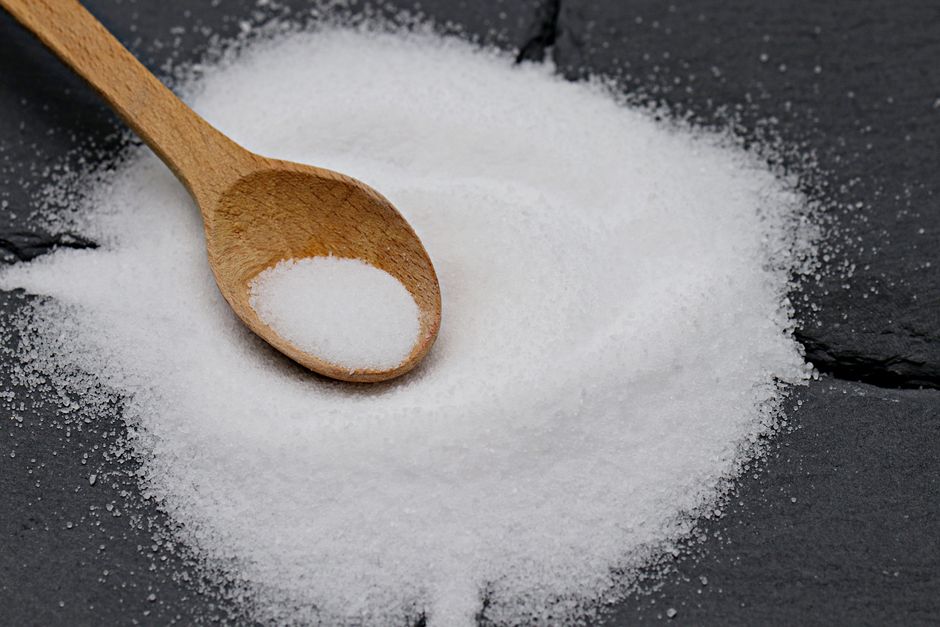
If you have high blood pressure, the most widely used guideline is to keep sodium under 1,500 milligrams per day. For most adults, the absolute upper limit is 2,300 milligrams per day, which equals about one teaspoon of salt. Staying closer to the 1,500 mg target has been shown to produce a more meaningful drop in blood pressure for many people, especially those over 50 or of African descent.
How Much Sodium Per Day With High Blood Pressure?
The number that matters most for people with hypertension is 1,500 milligrams per day. This is the level recommended by major heart and health organizations for anyone diagnosed with high blood pressure.
The larger 2,300 mg limit is the general cap for healthy adults without hypertension. If you already have high blood pressure, aiming for the lower number gives you a better chance of seeing a measurable improvement. Even cutting from 3,400 mg — the average American intake — down to 2,300 mg can lower systolic blood pressure by about 2 to 3 mmHg. Dropping further to 1,500 mg can add another few points of reduction.
Why Sodium Raises Blood Pressure
Sodium pulls water into your bloodstream. When you eat more sodium than your kidneys can filter out, your body holds onto extra fluid to dilute it. That extra fluid increases the total volume of blood pumping through your arteries.
More volume means more pressure against your vessel walls. Over time, that constant pressure stiffens arteries and forces the heart to work harder. For some people, this response is much stronger than for others.
About half of people with high blood pressure are “salt sensitive.” In these individuals, blood pressure rises sharply in response to sodium and falls noticeably when sodium is cut. Salt sensitivity becomes more common with age and is more frequent in people with diabetes, chronic kidney disease, or African ancestry.
What the Research Shows
Clinical trials have consistently demonstrated that reducing sodium lowers blood pressure. One of the best-known studies was the DASH-Sodium trial, which tested two diets at three different sodium levels: 3,300 mg, 2,300 mg, and 1,500 mg per day.
The results were clear. Lowering sodium from 3,300 mg to 2,300 mg reduced blood pressure. Lowering it further to 1,500 mg produced even larger reductions. The biggest effects appeared in people who already had hypertension.
Research published in the New England Journal of Medicine and other major medical journals has confirmed these findings repeatedly. The relationship between sodium and blood pressure is one of the most well-established facts in cardiovascular medicine.




How Much Sodium Is Already in Your Food
Most people do not add salt from a shaker that pushes them over the limit. About 70 percent of dietary sodium comes from processed and restaurant foods before anything touches your kitchen counter.
Common hidden sources include:
- Breads and rolls
- Cold cuts and cured meats
- Pizza and sandwiches
- Soups and broths
- Burritos and tacos
- Savory snacks like chips and pretzels
- Chicken dishes prepared outside the home
- Canned vegetables and beans with added salt
Reading nutrition labels is the single most effective habit for sodium control. The label lists milligrams per serving. Check the serving size first — many packages contain two or three servings that most people eat in one sitting.
Potassium and the Sodium Balance
Potassium works against sodium in the body. It helps the kidneys excrete excess sodium and relaxes blood vessel walls. A diet rich in potassium can blunt some of the blood pressure-raising effects of sodium.
The recommended potassium intake for adults is about 3,400 mg per day for men and 2,600 mg for women. Good sources include bananas, potatoes, sweet potatoes, spinach, beans, and yogurt.
People with chronic kidney disease or those taking certain blood pressure medications — particularly ACE inhibitors or potassium-sparing diuretics — should not increase potassium intake without talking to a doctor. High potassium levels can be dangerous in these situations.
Practical Ways to Cut Sodium
You do not need to eat bland food to lower your sodium. The goal is retraining your palate and changing how you shop and cook.
Cook more meals at home using whole ingredients. Fresh meat, poultry, fish, fruits, and vegetables are naturally low in sodium. Season with garlic, onion powder, citrus, vinegar, herbs, and spices instead of salt blends.
When buying packaged foods, compare brands. Sodium content varies widely between similar products. A jar of pasta sauce can range from 300 mg to over 800 mg per half-cup serving depending on the brand.
Rinsing canned beans and vegetables removes a meaningful portion of the added sodium. Draining and rinsing can cut sodium content by roughly 30 to 40 percent.
Ask for sauces and dressings on the side when eating out. Restaurant meals are often loaded with sodium, and controlling portions of the saltiest components makes a real difference.
How Long Until Blood Pressure Improves
Blood pressure changes can begin within days of cutting sodium. When people reduce intake from typical American levels to the 1,500 mg target, measurable reductions often appear within one to two weeks.
The full effect may take several weeks to stabilize. Your kidneys need time to adjust fluid balance, and your taste buds need time to adapt so lower-sodium foods start tasting normal.
Consistency matters more than perfection. A day of high sodium followed by several days of low sodium will not erase all progress, but sustained reduction produces the most reliable results.
When to Talk to Your Doctor
Before making major dietary changes, especially if you take blood pressure medication, discuss it with your healthcare provider. If you reduce sodium significantly while on a diuretic, your blood pressure could drop more than expected.
Your doctor may adjust medication doses as your blood pressure improves. Some people can eventually reduce their medication under medical supervision, but never change medication on your own.
If you have heart failure, kidney disease, or liver disease, your sodium needs may differ from standard guidelines. These conditions require individualized recommendations from a physician who knows your full medical picture.
Frequently Asked Questions
Is 1500 mg of sodium too low?
No, 1,500 mg per day is a safe and achievable target for most adults with high blood pressure. It matches the level used in successful clinical trials and is not considered a low-sodium diet in medical terms.
Does sea salt count the same as table salt?
Yes, sea salt and table salt contain nearly identical amounts of sodium by weight. No salt variety offers a meaningful advantage for blood pressure control.
How fast does blood pressure drop after reducing sodium?
Some reduction can appear within days, with fuller effects developing over several weeks. The response varies by person, but most people see measurable improvement within the first month.
Can I reverse high blood pressure with diet alone?
Some people with mild hypertension can normalize blood pressure through diet, exercise, and weight loss. People with more advanced hypertension typically need medication alongside lifestyle changes.
