

An eye twitch is rarely the first sign of high blood pressure, and for most people, it is not a sign of high blood pressure at all. The vast majority of eye twitches are harmless, temporary muscle spasms caused by stress, fatigue, caffeine, or eye strain. However, severely elevated blood pressure can, in rare cases, cause neurological symptoms that include muscle twitching, so the relationship exists but is not typical.
What Actually Causes an Eye Twitch?
An eye twitch, medically called blepharospasm or myokymia, is an involuntary spasm of the tiny muscles in the eyelid. The most common type is eyelid myokymia, which feels like a fluttering or pulsing in the lid. It is almost always benign.
Common triggers include lack of sleep, high caffeine intake, stress, and prolonged screen time. Dry eyes and eye strain from uncorrected vision problems can also cause twitching. For most people, the twitch comes and goes and resolves on its own within a few days.
These triggers are far more common in daily life than undiagnosed high blood pressure. If you have been sleeping poorly and drinking several cups of coffee, that alone explains the twitch in the vast majority of cases.
How High Blood Pressure Could Cause Twitching
High blood pressure, or hypertension, usually causes no symptoms at all. That is why it is often called a silent condition. Most people with hypertension feel completely normal.
When blood pressure becomes dangerously high, a condition called a hypertensive crisis, the brain and nervous system can be affected. This can cause headaches, vision changes, confusion, and in some cases, muscle twitching or tremors. This happens because severely elevated pressure can disrupt normal nerve function.
But this is an emergency scenario, not a subtle early warning sign. A mild or moderate elevation in blood pressure does not cause eye twitching through any known mechanism. The twitching you might notice on a random Tuesday is far more likely related to how much coffee you drank that morning.
When Is Eye Twitching a Concern?
Most eye twitches are not a concern. But certain patterns deserve medical attention. If the twitch lasts longer than a few weeks, if it spreads to other parts of the face, or if your eyelid closes completely with each spasm, you should see a doctor.
These symptoms can point to conditions like hemifacial spasm or more severe forms of blepharospasm. These are neurological conditions that require evaluation. They are not caused by high blood pressure, but they do need proper diagnosis.
If the twitching comes with other symptoms like double vision, facial numbness, weakness, or difficulty speaking, seek emergency care. Those symptoms suggest a more serious neurological problem that needs immediate evaluation.
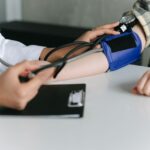

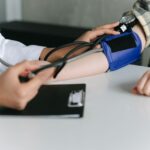
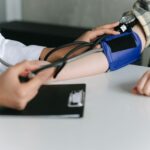

Should You Check Your Blood Pressure?
Checking your blood pressure is reasonable if you are concerned. It is a quick, painless test that provides useful information. But you should not assume a normal reading means your eye twitch is mysterious, nor should you assume an elevated reading explains the twitch.
The American Heart Association defines normal blood pressure as below 120/80 mmHg. Elevated blood pressure is 120-129 systolic with a diastolic below 80. Stage 1 hypertension is 130-139 systolic or 80-89 diastolic. Stage 2 hypertension is 140/90 or higher.
A single elevated reading does not mean you have hypertension. Blood pressure fluctuates throughout the day. It rises with stress, physical activity, and even the act of visiting a doctor. If you get one high reading, it should be repeated under calm conditions before any conclusions are drawn.
Other Signs of High Blood Pressure
High blood pressure is called silent for a reason. Most people with it have no symptoms at all. The only way to know your blood pressure is to measure it.
When blood pressure gets very high, symptoms can include severe headaches, chest pain, shortness of breath, nosebleeds, and vision changes. These symptoms warrant immediate medical attention. They do not include isolated eye twitching.
If you are worried about your blood pressure, the responsible approach is to have it checked regularly. Home monitors are affordable and accurate when used correctly. Annual checkups that include a blood pressure reading are a simple way to stay informed.
How to Stop an Eye Twitch
If the twitch is bothersome, focus on the common triggers first. Cut back on caffeine. Get more sleep. Take breaks from screens. Use artificial tears if your eyes feel dry. These simple changes resolve most twitches within days.
Applying a warm compress to the eyelid can provide relief. Gently massaging the area around the eye may also help relax the muscle. These are safe home measures with no known risks.
If the twitch persists despite these changes, or if it is interfering with your daily life, see an eye doctor or neurologist. They can examine you and rule out less common causes.
What Doctors Look For
When you see a doctor for an eye twitch, they will ask about your sleep habits, caffeine intake, stress levels, and any medications you take. Some medications can cause twitching as a side effect. They will also check your eyes for dryness or irritation.
A neurological exam checks for other signs of nerve problems. If the exam is normal and the twitch is isolated to one eyelid, the diagnosis is usually benign myokymia. No treatment is needed beyond addressing triggers.
Blood pressure measurement is part of a standard visit. It is routine, not because the doctor suspects your twitch is caused by hypertension, but because checking blood pressure is standard practice for most medical visits.
What the Research Shows
Clinical studies have not established a direct link between routine eye twitching and high blood pressure. The medical literature describes muscle twitching as a possible symptom of severely elevated blood pressure, but not as an early or common sign.
Some case reports describe twitching in patients with very high blood pressure who also had other neurological symptoms. These patients were experiencing hypertensive emergencies, not mild blood pressure elevations. The twitching was one of several serious symptoms, not an isolated finding.
The evidence does not support the idea that your everyday eye twitch is a warning sign of hypertension. If you have no other symptoms and your blood pressure was normal at your last checkup, the twitch is almost certainly benign.
When to Take Action
The practical takeaway is straightforward. An isolated eye twitch, without other symptoms, is not a reason to suspect high blood pressure. It is a reason to evaluate your sleep, caffeine, and stress levels.
If you have not had your blood pressure checked in over a year, schedule a checkup. This is good preventive care regardless of your eye twitch. Knowing your blood pressure is part of understanding your overall cardiovascular health.
If the twitch persists for weeks, spreads, or comes with other symptoms, seek medical evaluation. These patterns warrant investigation beyond simple trigger management. Trust your judgment and get checked when something feels off.
Frequently Asked Questions
Can high blood pressure make your eye twitch?
Severely elevated blood pressure can cause neurological symptoms that include twitching, but routine eye twitching is not a typical sign of high blood pressure.
What deficiency causes eye twitching?
Some research suggests low magnesium or calcium levels may contribute to muscle twitching, but most eye twitches are caused by fatigue, stress, or caffeine rather than a deficiency.
How long is too long for an eye twitch?
An eye twitch that lasts longer than a few weeks deserves medical evaluation, especially if it spreads to other parts of the face.
Should I go to the ER for an eye twitch?
No, an isolated eye twitch is not an emergency. Seek emergency care only if the twitch comes with weakness, difficulty speaking, vision changes, or severe headache.
