

Most people with high blood pressure feel completely fine. That is why it is often called the “silent killer.” You cannot tell you have it by how you feel, and there are usually no warning signs until your blood pressure reaches dangerously high levels. The only reliable way to know if you have high blood pressure is to have it measured with a proper blood pressure cuff.
What Do the Numbers Actually Mean?
Blood pressure is recorded as two numbers. The top number is your systolic pressure. That is the pressure in your arteries when your heart beats. The bottom number is your diastolic pressure. That is the pressure when your heart rests between beats.
Normal blood pressure is below 120/80 mmHg. Elevated blood pressure is a systolic reading between 120 and 129 with a diastolic below 80. Stage 1 high blood pressure starts at 130/80. Stage 2 high blood pressure is 140/90 or higher.
A single high reading does not mean you have high blood pressure. Blood pressure naturally rises and falls throughout the day. It goes up when you exercise, when you are stressed, or even when you are sitting in a doctor’s office feeling anxious. Your doctor will usually confirm a diagnosis by taking multiple readings on separate occasions.
How Do You Know If You Have High Blood Pressure Without a Cuff?
You cannot reliably know without a cuff. Headaches, dizziness, and nosebleeds are often mentioned as possible symptoms, but these are not dependable indicators. Most people with mild or even moderate high blood pressure have zero symptoms.
Symptoms usually appear only when blood pressure is extremely high, typically above 180/120. This is called a hypertensive crisis. At this level, you might experience a severe headache, chest pain, vision changes, difficulty speaking, or shortness of breath. These symptoms require immediate emergency medical care.
Relying on symptoms is dangerous. By the time symptoms appear, high blood pressure may have already been damaging your heart, kidneys, brain, and blood vessels for years. That damage is why untreated high blood pressure increases the risk of heart attack, stroke, and kidney disease.
What Is the Most Accurate Way to Measure Blood Pressure at Home?
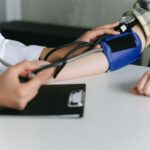
A home blood pressure monitor is the best tool for tracking your blood pressure outside the doctor’s office. Automatic monitors that wrap around your upper arm are generally more accurate than wrist monitors. Make sure the cuff size fits your arm properly. A cuff that is too small can give a falsely high reading.
To get an accurate reading at home, follow these steps:
- Sit quietly for five minutes before measuring.
- Sit with your back supported and both feet flat on the floor.
- Place the cuff on bare skin, not over clothing.
- Rest your arm on a flat surface at heart level.
- Do not talk during the measurement.
- Take two readings one minute apart and record both.
Measure at the same times each day, such as morning and evening. Bring your log to your doctor’s appointments. Home monitoring is especially helpful for people whose blood pressure runs high only in medical settings, a condition known as white coat hypertension.



Why Do Doctors Take Multiple Readings Before Diagnosing?
Blood pressure is not a fixed number. It changes minute to minute based on your activity, stress level, caffeine intake, and even your breathing. One reading only captures a moment in time. It cannot tell your doctor what your average blood pressure is over days or weeks.
Your doctor may also recommend 24-hour ambulatory blood pressure monitoring. This involves wearing a portable device that takes readings every 20 to 30 minutes throughout the day and night. This method gives a more complete picture of your blood pressure patterns and can detect masked hypertension, where readings are normal in the clinic but high outside of it.
Home monitoring combined with office readings gives the most accurate assessment. If your home readings are consistently at or above 130/80, talk to your doctor about next steps.
What Happens If High Blood Pressure Goes Undetected?
High blood pressure damages your arteries over time. The constant force of blood against artery walls causes them to stiffen and narrow. This damage increases the workload on your heart and can lead to serious health problems.
Common complications include heart attack, heart failure, stroke, kidney damage, vision loss, and cognitive decline. High blood pressure also contributes to the buildup of plaque in your arteries, a process called atherosclerosis. This narrowing can restrict blood flow to your heart and brain.
The good news is that high blood pressure is highly treatable once it is detected. Lifestyle changes such as reducing sodium intake, increasing physical activity, maintaining a healthy weight, and limiting alcohol can lower blood pressure significantly. Many people also need medication to reach a safe range.
Can You Trust Public Blood Pressure Kiosks or Smartwatches?
Blood pressure kiosks in pharmacies and grocery stores can be useful for occasional checks. However, they are not always calibrated properly, and the cuff size may not fit everyone correctly. The environment is often noisy and stressful, which can raise your reading.
Smartwatches and fitness trackers that claim to measure blood pressure are a newer technology. Some use pulse transit time or other indirect methods to estimate blood pressure. The evidence for their accuracy is still limited. No major medical organization currently recommends smartwatches as a reliable method for diagnosing or managing high blood pressure.
If you are using a smartwatch reading and it seems high, confirm it with a validated upper arm monitor before taking any action. Always discuss readings with your healthcare provider rather than making decisions based on a single device reading.
When Should You Get Your Blood Pressure Checked?
Adults with normal blood pressure should have it checked at least once every two years. If you have risk factors such as obesity, diabetes, a family history of high blood pressure, or you are over 40, check it annually. People with existing high blood pressure or other health conditions may need more frequent checks.
Many pharmacies offer free blood pressure checks. Community health centers and some workplaces also provide screening. You can also purchase a validated home monitor for around $30 to $50. Checking your blood pressure regularly is one of the simplest and most effective preventive health measures available.
If you have not had your blood pressure measured in over a year, schedule an appointment. Knowing your numbers is the first step, and it is a step you can take today.
Frequently Asked Questions
Can you feel high blood pressure?
No, most people cannot feel high blood pressure at all. Symptoms usually only appear during a hypertensive crisis, which is a medical emergency.
What is a dangerous blood pressure reading?
A reading of 180/120 or higher is considered a hypertensive crisis and requires immediate emergency care. Consistent readings of 130/80 or higher indicate high blood pressure that needs medical attention.
How often should I check my blood pressure at home?
If you are monitoring to confirm a diagnosis or adjust treatment, check twice daily at the same times. If your blood pressure is well controlled, checking a few times per week is generally sufficient.
Is a wrist blood pressure monitor accurate?
Upper arm monitors are more accurate than wrist monitors for most people. If you use a wrist monitor, hold it at heart level during measurement, as positioning errors can significantly affect the reading.
