
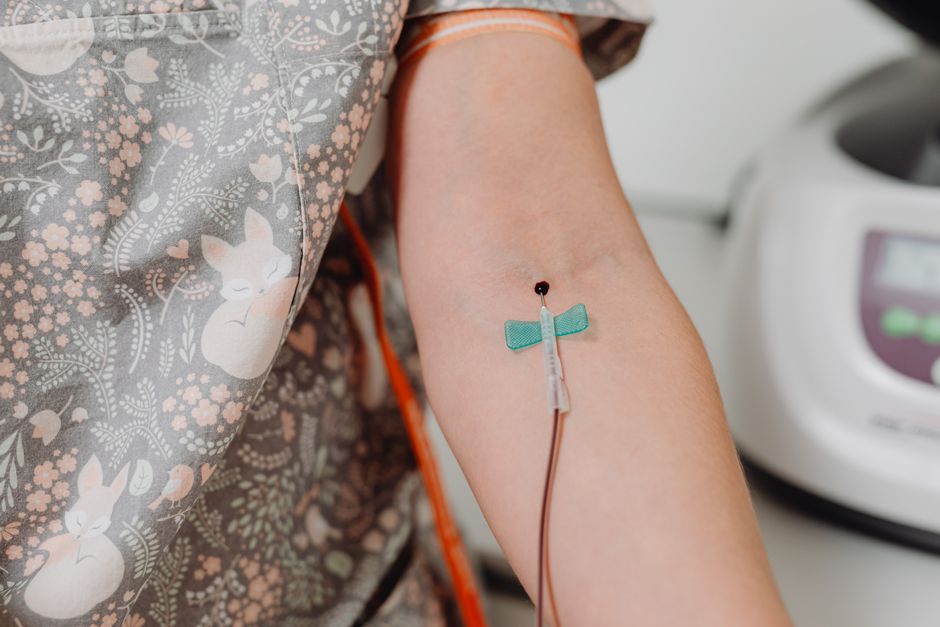
Blood is the delivery system for your entire body. It carries oxygen from your lungs to every tissue, transports nutrients from your digestive system to your cells, and removes waste products before they can build up to dangerous levels. Without blood, no organ could function, no wound could heal, and no infection could be fought. Your body depends on this constant flow to maintain its internal balance, regulate temperature, and protect itself from harm.
What Does Blood Actually Do in the Body?
Blood performs several jobs at the same time, every second of every day. Each function is essential, and none of them can be performed by another system in the body.
The most well-known job is oxygen transport. Red blood cells contain hemoglobin, a protein that binds to oxygen in your lungs and releases it in tissues that need it. The same hemoglobin picks up carbon dioxide on the return trip and carries it back to the lungs to be exhaled.
Blood also carries nutrients. After you eat, your digestive system breaks down food into glucose, amino acids, fatty acids, vitamins, and minerals. These molecules enter the bloodstream and travel to the liver, muscles, and brain where they are used for energy, repair, and growth.
Waste removal is just as critical. Cells produce byproducts like urea and creatinine as they work. Blood collects these waste products and delivers them to the kidneys, which filter them out and excrete them in urine. When this process fails, toxins accumulate quickly and can become life-threatening.
Blood is also your immune system’s highway. White blood cells patrol the bloodstream constantly, searching for bacteria, viruses, and other threats. When they find one, they multiply and attack. Antibodies — proteins that recognize specific invaders — travel through blood to reach the site of infection.
Finally, blood regulates temperature. When your body gets too hot, blood vessels near the skin widen, allowing heat to escape through the surface. When you are cold, those vessels narrow to keep warm blood near your vital organs.
Why Do You Need Blood Key Functions Explained for Daily Survival
Every organ in your body depends on blood flow to function. The brain uses about 20% of the oxygen you breathe, delivered entirely through blood. If blood flow to the brain stops, consciousness is lost within seconds and permanent damage can begin within minutes.
The heart pumps roughly 5 liters of blood through your body every minute at rest. That volume increases significantly during exercise or illness. Your kidneys filter about 180 liters of blood each day, removing waste while holding onto the nutrients and water your body needs.
Blood clotting is another survival function. When you get a cut, platelets clump together at the site and form a plug. Proteins in the blood then create a mesh that strengthens the plug into a clot. This stops bleeding and begins the healing process. Without functioning platelets or clotting factors, even minor injuries can cause dangerous blood loss.
Hormones travel through blood too. The thyroid, adrenal glands, pancreas, and other endocrine organs release hormones into the bloodstream, where they travel to distant target organs. This is how your body coordinates metabolism, stress responses, and blood sugar control.
What Are the Root Causes of Blood Problems?
Blood disorders fall into several categories, each with different root causes. Understanding the cause matters because treatment depends on it.
Anemia is the most common blood condition. It means your blood does not carry enough oxygen. The causes include iron deficiency, vitamin B12 deficiency, chronic disease, and inherited conditions like sickle cell disease. Iron deficiency is the most common worldwide, often caused by blood loss, poor diet, or problems absorbing iron from food.
Bleeding disorders happen when blood cannot clot properly. Hemophilia is an inherited condition where specific clotting proteins are missing or defective. Other bleeding disorders can develop from liver disease, vitamin K deficiency, or medications that thin the blood.
Clotting disorders are the opposite problem — blood clots too easily. Deep vein thrombosis and pulmonary embolism are the most dangerous forms. Risk factors include prolonged immobility, surgery, cancer, pregnancy, and inherited conditions like Factor V Leiden.
Blood cancers like leukemia, lymphoma, and myeloma start in the bone marrow or lymphatic system. They cause abnormal white blood cells to multiply out of control, crowding out healthy cells. The exact causes are not fully understood, but genetic mutations, radiation exposure, and certain chemicals increase risk.
Bone marrow failure occurs when the marrow stops producing enough blood cells. Aplastic anemia is one example. It can be triggered by autoimmune disease, certain medications, or exposure to toxins, though many cases have no identifiable cause.





How Do Doctors Diagnose Blood Conditions?
A complete blood count, or CBC, is the standard first test. It measures red blood cells, white blood cells, platelets, hemoglobin, and hematocrit. This single test can reveal anemia, infection, inflammation, or bleeding disorders.
Doctors use reference ranges to interpret results. Normal hemoglobin levels are roughly 13.5 to 17.5 grams per deciliter for men and 12.0 to 15.5 grams per deciliter for women. Normal platelet counts range from 150,000 to 450,000 per microliter of blood. White blood cell counts normally fall between 4,500 and 11,000 per microliter.
These ranges vary slightly between laboratories. A single abnormal value does not always mean disease. Doctors look at the full picture — symptoms, medical history, and patterns across multiple tests.
Additional tests can pinpoint specific problems. Iron studies measure iron stores. Vitamin B12 and folate levels identify nutritional deficiencies. Coagulation tests like PT and PTT evaluate clotting function. A peripheral blood smear lets a specialist examine cells under a microscope for abnormal shapes or sizes.
In some cases, a bone marrow biopsy is needed. A needle removes a small sample of marrow from the hip bone, and pathologists examine it for cancer, infection, or failure to produce cells.
Can Blood Problems Be Prevented?
Some blood conditions cannot be prevented. Inherited disorders like hemophilia and sickle cell disease are present from birth. But many common blood problems have identifiable risk factors that can be managed.
Iron deficiency anemia is often preventable with adequate dietary iron. Red meat, poultry, fish, beans, lentils, and fortified cereals are good sources. Vitamin C improves iron absorption when eaten with iron-rich foods. Tea and coffee can reduce absorption, so drinking them between meals rather than with meals helps.
Vitamin B12 deficiency is more common in older adults, vegetarians, and people with conditions that affect stomach absorption. B12 is found naturally in animal products. People who do not eat meat may need fortified foods or supplements.
Clotting disorders can sometimes be prevented through lifestyle. Staying active, maintaining a healthy weight, and avoiding prolonged sitting reduce risk. During long flights or car trips, standing and walking every couple of hours helps maintain circulation.
Regular checkups with a blood test can catch problems early. Many blood conditions produce no symptoms in early stages. A routine CBC is one of the most valuable screening tools in medicine because it is inexpensive, quick, and can detect a wide range of issues.
What Symptoms Should Prompt a Blood Test?
Fatigue is the most common symptom of blood problems, especially anemia. If you feel tired despite adequate sleep, or if everyday activities leave you exhausted, a blood test is reasonable.
Shortness of breath with minimal exertion can indicate anemia or heart strain from reduced oxygen delivery. Pale skin, especially in the inner eyelids or nail beds, often accompanies low hemoglobin. Dizziness, cold hands and feet, and headaches can also signal reduced oxygen-carrying capacity.
Easy bruising or bleeding that takes a long time to stop suggests a platelet or clotting problem. Frequent infections or slow-healing wounds may point to white blood cell dysfunction. Unexplained weight loss, night sweats, or persistent fever can be signs of blood cancer.
These symptoms are not specific to blood disorders — many other conditions cause them. That is exactly why a blood test is valuable. It narrows the possibilities and guides further investigation.
How Do Blood Transfusions and Donations Work?
Blood transfusions save lives when blood loss is severe or when the body cannot produce enough healthy cells. Donated blood is tested, typed, and separated into components — red cells, plasma, platelets, and cryoprecipitate. This allows patients to receive only the specific component they need.
Blood types matter because the immune system attacks foreign blood. The ABO system and Rh factor determine compatibility. Type O negative blood is considered the universal donor because it lacks A, B, and Rh antigens, making it safe for most recipients. Type AB positive is the universal recipient.
Donating blood is safe for healthy adults. The average adult has about 5 liters of blood, and a standard donation removes about 470 milliliters. The body replenishes the fluid within hours and replaces red blood cells within several weeks.
Blood donation is also a screening opportunity. Every donation is tested for HIV, hepatitis B and C, syphilis, and other infections. Donors learn if any test comes back positive and are directed to medical care.
Frequently Asked Questions
How much blood does the human body have?
An average adult has about 5 liters of blood, roughly 10% of body weight. A person weighing 70 kilograms has approximately 5 to 5.5 liters.
What happens if blood oxygen levels drop too low?
Low blood oxygen, called hypoxemia, causes confusion, shortness of breath, and bluish skin. Severe or prolonged hypoxemia can damage the brain, heart, and other organs.
Can dehydration affect blood function?
Yes, dehydration reduces blood volume and makes blood thicker. This forces the heart to work harder and can reduce oxygen delivery to tissues.
How often should you get a blood test?
Healthy adults typically get blood tests during annual physicals or when symptoms appear. People with chronic conditions like diabetes or kidney disease may need testing more frequently.
