
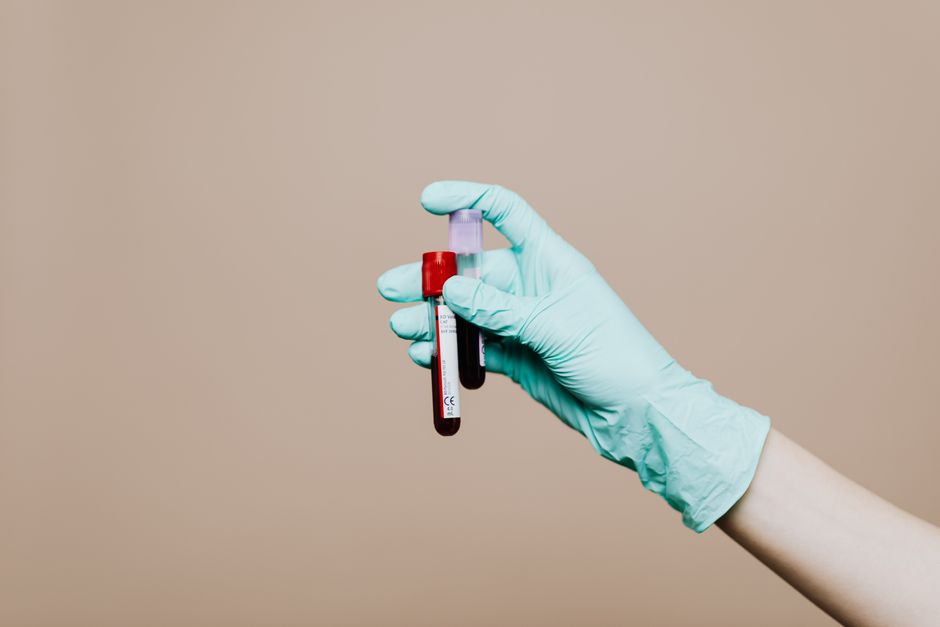
An SGOT (AST) blood test measures the level of aspartate aminotransferase, an enzyme found mainly in your liver and heart. When cells in these organs are damaged, they leak AST into your bloodstream, raising the level. This test is a standard part of a liver panel and helps doctors screen for liver damage, but it is rarely used alone.
What Is SGOT AST and Why Does the Test Matter?
SGOT stands for serum glutamic-oxaloacetic transaminase. It is an older name for the same enzyme now called AST (aspartate aminotransferase). Both names refer to the same blood test. You will see them used interchangeably on lab reports.
AST helps your body break down amino acids. It is not unique to one organ. You find high concentrations in the liver, heart, muscles, kidneys, and brain. This means a high AST level tells you that damage happened somewhere, but it does not tell you where. That is why doctors almost always order AST alongside ALT (alanine aminotransferase). ALT is more specific to the liver. Comparing the two helps narrow down the source of the problem.
According to the American College of Gastroenterology, the normal range for AST is typically between 10 and 40 units per liter (U/L). Labs set their own reference ranges, so your report may show a slightly different number. The key is what your doctor makes of the result in your specific situation.
What Do High SGOT AST Levels Actually Mean?
A high AST level signals that cells containing this enzyme have been injured or destroyed. The higher the number, the more damage is occurring. But the number alone does not tell you the cause or the severity of the underlying disease.
Common causes of elevated AST include:
- Nonalcoholic fatty liver disease (NAFLD) – the most common cause in the United States, affecting about 24% of adults according to the CDC
- Alcoholic liver disease – heavy drinking directly damages liver cells
- Viral hepatitis – hepatitis B or C infection causes inflammation
- Medications – acetaminophen (Tylenol) overdose, statins, some antibiotics, and certain seizure drugs can raise AST
- Muscle injury – intense exercise, a car accident, or even a recent injection can spike AST from muscle tissue
- Heart attack – though troponin tests are now the standard, AST can rise after significant heart muscle damage
One critical point: mildly elevated AST (under twice the upper normal limit) is very common. A 2019 study in JAMA Internal Medicine found that about 1 in 10 Americans have mildly abnormal liver enzymes. Most of these people do not have serious liver disease. The elevation often resolves on its own or after addressing lifestyle factors.
How Are SGOT AST Results Interpreted Alongside Other Tests?
Doctors almost never diagnose from AST alone. The pattern of results matters far more than any single number. The most useful comparison is the AST-to-ALT ratio.
Here is what different patterns suggest:
| Pattern | AST Level | ALT Level | AST/ALT Ratio | What It Often Suggests |
|---|---|---|---|---|
| Both mildly elevated | 40-100 U/L | 40-100 U/L | Less than 1 | Nonalcoholic fatty liver disease or viral hepatitis |
| Both moderately elevated | 100-500 U/L | 100-500 U/L | Variable | Chronic hepatitis, medication effect, or bile duct blockage |
| AST much higher than ALT | Over 200 U/L | Normal or mildly elevated | Greater than 2 | Alcoholic liver disease (classic pattern) |
| Both extremely high | Over 1,000 U/L | Over 1,000 U/L | Variable | Acute liver injury from acetaminophen overdose, shock, or severe viral hepatitis |
| AST elevated with normal ALT | High | Normal | Greater than 1 | Muscle injury, hemolysis (broken red blood cells), or thyroid disease |
This table is a guide, not a diagnosis. Many conditions overlap. For example, someone with alcoholic liver disease who also has fatty liver may not show the classic ratio. Your doctor considers your full medical history, physical exam, and additional tests like imaging or a fibrosis score.




What Factors Can Skew SGOT AST Results?
Several things can raise AST that have nothing to do with liver disease. Knowing these prevents unnecessary worry and testing.
Exercise. Strenuous resistance training or long-distance running can cause temporary muscle breakdown. AST leaks from muscle cells into the blood. This effect can last for several days. One study found that AST levels doubled in runners after a marathon. If you work out hard, tell your doctor before the blood draw.
Hemolysis. When red blood cells break open during the blood draw or processing, they release AST. This is a lab artifact. The lab may flag the sample as hemolyzed. If you see a high AST result and your sample was hemolyzed, the number may be unreliable.
Medications. Acetaminophen is the most common culprit. Taking more than 4,000 mg per day can cause liver cell injury. Other drugs like isoniazid (for tuberculosis), methotrexate, and certain statins can also raise AST. Herbal supplements are not risk-free either. Kava, comfrey, and green tea extract have been linked to liver injury in some people.
Alcohol. Even moderate drinking can raise AST in some people. The effect is more pronounced in women than men at the same intake level. If you had a few drinks the night before the test, your AST may be mildly elevated.
Thyroid disease. Both hyperthyroidism and hypothyroidism can affect AST levels. Thyroid hormones influence liver metabolism. If your AST is mildly elevated without an obvious cause, checking thyroid function is reasonable.
What Should You Do If Your SGOT AST Is High?
First, do not panic. A mildly elevated AST is common and often temporary. The first step is repeating the test to confirm the result. Lab errors happen. Day-to-day variation happens. A single high number does not mean you have liver disease.
If the repeat test is still high, your doctor will look for the underlying cause. The approach depends on your risk factors:
- If you are overweight or have diabetes, NAFLD is the most likely cause. Weight loss of 5-10% is the most effective treatment. Research published in Hepatology shows that even 5% weight loss reduces liver fat significantly.
- If you drink alcohol regularly, cutting back or stopping for several weeks can normalize AST. The liver is remarkably good at healing if the stress is removed.
- If you take medications that affect the liver, your doctor may adjust the dose or switch to an alternative.
- If you have risk factors for hepatitis B or C, blood tests for these viruses are needed.
Your doctor may also order a liver ultrasound to check for fat or scarring. In some cases, a liver biopsy or a noninvasive test called FibroScan is used to measure fibrosis. These are reserved for people with persistently high enzymes or other signs of liver disease.
There is no quick fix. Avoid supplements that claim to “detox” or “cleanse” the liver. The American Liver Foundation warns that many liver cleanse products are unregulated and can actually cause harm. No clinical evidence supports their use for lowering AST.
Common Misconceptions About SGOT AST Testing
Several myths about this test persist online. Here is what the evidence actually shows.
Myth: A normal AST means your liver is healthy. Not true. People with cirrhosis or early stage liver cancer can have completely normal AST levels. The test only detects active cell damage. It does not measure liver function. You can have a normal AST and still have significant liver scarring.
Myth: A high AST always means liver damage. As discussed, muscle injury, intense exercise, and hemolysis can raise AST without any liver problem. Always check ALT and other markers before assuming the liver is the source.
Myth: Milk thistle or other herbs lower AST. Some studies suggest milk thistle may have a modest effect on liver enzymes, but the evidence is mixed. A 2020 review in the Cochrane Database of Systematic Reviews found no clear benefit for milk thistle in people with alcoholic liver disease. If you take it anyway, tell your doctor. It can interact with other medications.
Myth: You need to fast before an AST test. Fasting is not required for AST alone. However, if your doctor is also checking triglycerides or glucose, fasting for 8-12 hours is standard. Fatty food right before the test does not directly affect AST, but it can interfere with other tests drawn at the same time.
Frequently Asked Questions
What is the normal range for SGOT AST?
Most labs set the normal range between 10 and 40 units per liter. Your lab report will list the specific reference range they use.
Can dehydration cause high AST levels?
Mild dehydration does not directly raise AST. Severe dehydration that causes shock or kidney injury can affect liver cells and raise enzymes.
How long does it take for AST levels to return to normal?
If the cause is temporary like exercise or a medication, AST usually normalizes within days to weeks. For chronic conditions like fatty liver, it takes months of lifestyle changes.
Is a high AST level an emergency?
Not usually. Levels under 200 U/L are rarely an emergency. Extremely high levels over 1,000 U/L require immediate medical evaluation for acute liver injury.
