
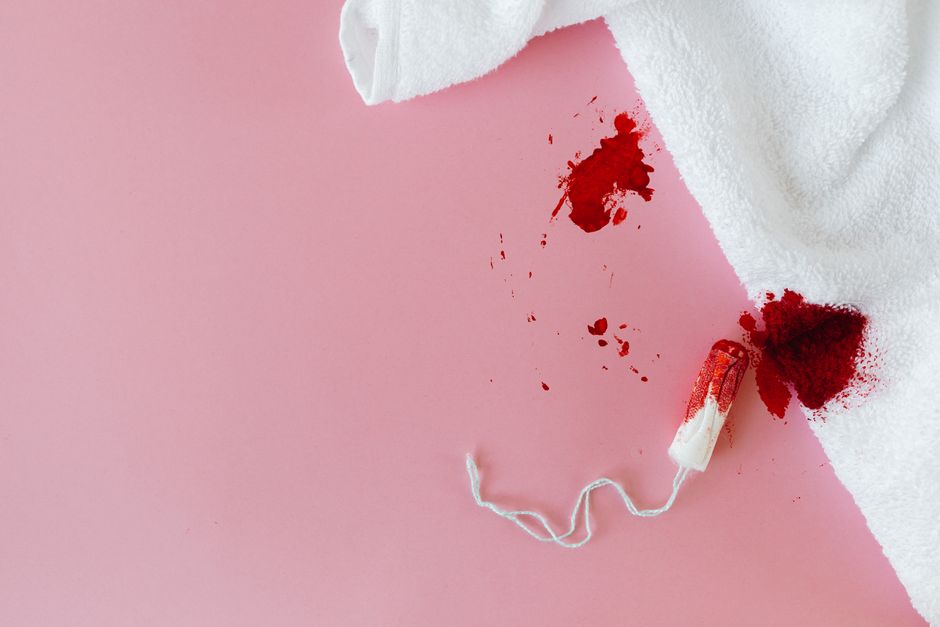
You wake up, walk to the bathroom, and see red in the toilet bowl after vomiting. Panic sets in. But the truth is that throwing up blood, or hematemesis, is a symptom that always needs medical attention. It can range from a tiny tear in your throat to a serious issue like a bleeding ulcer. The color and amount of blood give doctors the first clues about where the bleeding started.
What Does Throwing Up Blood Actually Mean?
Throwing up blood means there is bleeding somewhere in your upper digestive system. This includes your esophagus, stomach, or the first part of your small intestine (the duodenum). The medical term is hematemesis, and it is never normal.
Bright red blood usually means the bleeding is active and happening right now. It could be from a tear or a vessel that just opened up. Dark blood that looks like coffee grounds means the blood has been sitting in your stomach for a while. Stomach acid turns red blood dark brown or black.
Do not confuse throwing up blood with coughing up blood. Blood from the lungs is usually frothy and mixed with mucus. Blood from vomiting is often mixed with food or stomach fluid. One comes from the lungs, the other from the gut. Both need a doctor, but the causes are different.
If you vomit blood, even a small amount, call your doctor or go to urgent care. If you vomit a large amount, feel dizzy, or have chest pain, go to the emergency room immediately.
What Are the Most Common Causes of Vomiting Blood?
Several conditions can cause bleeding in the upper digestive tract. Some are minor, and some are life-threatening. A doctor needs to figure out which one you have.
Mallory-Weiss tear is one of the most common causes. This is a small tear in the lining of the esophagus. It usually happens after violent retching, heavy coughing, or forceful vomiting. People who drink heavily or have bulimia are at higher risk. The bleeding from a Mallory-Weiss tear often stops on its own, but it can be severe.
Peptic ulcers are open sores on the lining of the stomach or duodenum. They bleed when the sore eats into a blood vessel. The bacteria H. pylori and long-term use of NSAIDs like ibuprofen or aspirin are the main causes. Ulcers are a common reason for vomiting blood, especially in older adults.
Esophageal varices are swollen veins in the esophagus that can burst. This is a medical emergency. It happens in people with severe liver disease, like cirrhosis. The bleeding is often massive and can be fatal without quick treatment.
Gastritis is inflammation of the stomach lining. It can be caused by alcohol, NSAIDs, stress, or infection. Severe gastritis can wear away the lining and cause bleeding. The blood may be bright red or look like coffee grounds depending on how long it stays in the stomach.
Esophagitis is inflammation in the esophagus, often from acid reflux or an infection. When severe, it can cause small amounts of bleeding. This is less common than the other causes but still possible.
Swallowed blood is another possibility. If you had a nosebleed, dental work, or a throat injury, you might swallow blood and then vomit it back up. This is not a sign of internal bleeding, but it still looks scary.
How Do Doctors Diagnose the Cause of Hematemesis?
Doctors start by asking you questions. How much blood did you see? What color was it? Have you had stomach pain, black stools, or weight loss? Do you drink alcohol or take NSAIDs? Your answers help narrow down the possibilities.
The most important test is an endoscopy. A doctor passes a thin, flexible tube with a camera down your throat into your stomach. This lets them see exactly where the blood is coming from. They can also treat some causes during the procedure, like clipping a bleeding ulcer or banding a varicose vein.
Blood tests check your red blood cell count, clotting factors, and liver function. Low red blood cells mean you have lost a significant amount of blood. Abnormal clotting or liver tests point toward varices or other liver problems.
If an endoscopy does not find the source, doctors might order a CT scan or a tagged red blood cell scan. These tests help locate bleeding that is deeper or harder to see.
Current research suggests that about 80 percent of upper GI bleeds are found and treated during the first endoscopy. The rest need more imaging or a second look.




What Should You Do If You Vomit Blood?
Do not wait to see if it stops. Even if the bleeding seems minor, you cannot tell how fast it is happening internally. Your first step is to call a medical professional or go to the emergency room.
While you wait for care, sit up or lie on your side. Do not lie flat on your back. This helps prevent blood from going down your airway and into your lungs, which can cause choking or pneumonia.
Do not eat or drink anything. Your stomach needs to be empty for an endoscopy. Drinking water or eating food can delay the procedure and make it harder for doctors to see the source of the bleeding.
Tell the doctor exactly what medications you take. This includes over-the-counter drugs like aspirin, ibuprofen, and blood thinners. These drugs can make bleeding worse, and the doctor needs to know right away.
If you feel dizzy, lightheaded, or faint, you are losing blood faster than your body can handle. This is a sign of a serious bleed. Do not drive yourself. Call 911.
How Is Vomiting Blood Treated?
Treatment depends entirely on the cause. The first goal is always to stop the bleeding and stabilize you. The second goal is to treat the underlying condition so it does not happen again.
For a Mallory-Weiss tear, most heal on their own with rest. Doctors may prescribe acid-reducing medication to protect the tear as it heals. In rare cases, if bleeding continues, an endoscope can apply heat or clips to seal the tear.
For peptic ulcers, treatment usually includes antibiotics if H. pylori is present, plus acid-blocking drugs like proton pump inhibitors. You will also need to stop taking NSAIDs. Most ulcers heal within weeks with proper treatment.
For esophageal varices, emergency treatment is needed. Doctors may use band ligation during endoscopy to tie off the bleeding veins. Medications like octreotide help reduce blood flow to the liver and lower pressure in the varices. Beta-blockers are often prescribed to prevent future bleeds.
For gastritis or esophagitis, treatment focuses on reducing inflammation. This means stopping alcohol, NSAIDs, or other irritants. Acid-reducing medications help the lining heal. Most cases improve within days to weeks.
In severe cases where bleeding does not stop, a blood transfusion may be needed. Surgery is rare but possible if endoscopy and medications fail.
Comparison of Common Treatments
| Cause | Common Treatment | Healing Time |
|---|---|---|
| Mallory-Weiss tear | Rest, acid reducers | Days to 2 weeks |
| Peptic ulcer | Antibiotics, acid blockers | 4 to 8 weeks |
| Esophageal varices | Band ligation, beta-blockers | Ongoing management |
| Gastritis | Avoid irritants, acid reducers | 1 to 3 weeks |
| Esophagitis | PPIs, avoid triggers | 2 to 4 weeks |
What Are the Warning Signs That the Bleeding Is Serious?
Some signs tell you the bleeding is not minor. If you see large amounts of blood, that is a clear warning. Vomiting more than a few tablespoons of blood means you need emergency care.
Blood that looks like coffee grounds is also concerning. It means the blood has been in your stomach long enough to be digested. That suggests a slower but steady bleed that can add up over time.
Black or tarry stools are another sign of upper GI bleeding. As blood moves through your digestive system, it turns black. If you have both black stools and vomiting blood, the bleeding is likely coming from your stomach or duodenum.
Other warning signs include:
- Feeling faint or dizzy when standing up
- Rapid heartbeat or chest pain
- Cold, clammy skin
- Confusion or trouble concentrating
- Shortness of breath
These symptoms mean your body is struggling to keep up with blood loss. Do not ignore them. Go to the emergency room immediately.
Can You Prevent Throwing Up Blood?
Not all causes are preventable, but many are. The most common preventable cause is NSAID use. If you take ibuprofen or aspirin regularly, talk to your doctor about alternatives or adding a stomach-protecting medication.
Limit alcohol. Heavy drinking is a major risk factor for both Mallory-Weiss tears and esophageal varices. If you have liver disease, even small amounts of alcohol can be dangerous.
Stop smoking. Smoking weakens the stomach lining and makes ulcers more likely. It also increases the risk of esophageal cancer, which can cause bleeding.
Treat acid reflux. Chronic heartburn can damage your esophagus over time. If you have reflux that is not controlled with lifestyle changes or medication, see a doctor.
Get tested for H. pylori if you have persistent stomach pain or a family history of ulcers. A simple breath or stool test can detect it. Treatment with antibiotics cures the infection and prevents ulcers from forming.
As of 2026, current research suggests that routine screening for H. pylori in people with a history of ulcers significantly reduces the risk of bleeding. If you have had an ulcer before, ask your doctor about being tested again.
Common Misconceptions About Throwing Up Blood
Some people think that if the blood is bright red, it is not serious. That is false. Bright red blood means active bleeding right now. It can be just as dangerous as dark blood.
Others believe that throwing up blood after a night of heavy drinking is normal. It is not. Alcohol can cause gastritis or a Mallory-Weiss tear, but neither is normal or safe. If you vomit blood after drinking, see a doctor.
A common myth is that swallowing a small amount of blood from a nosebleed is harmless. It usually is, but if you vomit that blood, it can look like a lot more than it actually was. Still, if you are unsure where the blood came from, let a doctor decide.
Some people assume that if the bleeding stops on its own, they are fine. This is dangerous. Bleeding can stop temporarily and then restart hours or days later. Always get checked even if the bleeding seems to have resolved.
Frequently Asked Questions
Should I go to the ER if I throw up blood?
Yes, you should go to the emergency room or see a doctor immediately. Throwing up blood can be a sign of a serious condition that needs prompt treatment.
Can throwing up blood be caused by something minor?
Yes, a small tear in the esophagus from violent retching can cause minor bleeding. But only a doctor can determine if the cause is minor or serious.
What does coffee ground vomit mean?
It means blood has been in your stomach long enough for stomach acid to turn it dark. This usually indicates a slower bleed, but it still needs medical attention.
How much blood is too much when vomiting?
Any amount of blood in vomit is too much. More than a few tablespoons or blood that does not stop requires emergency care.
