
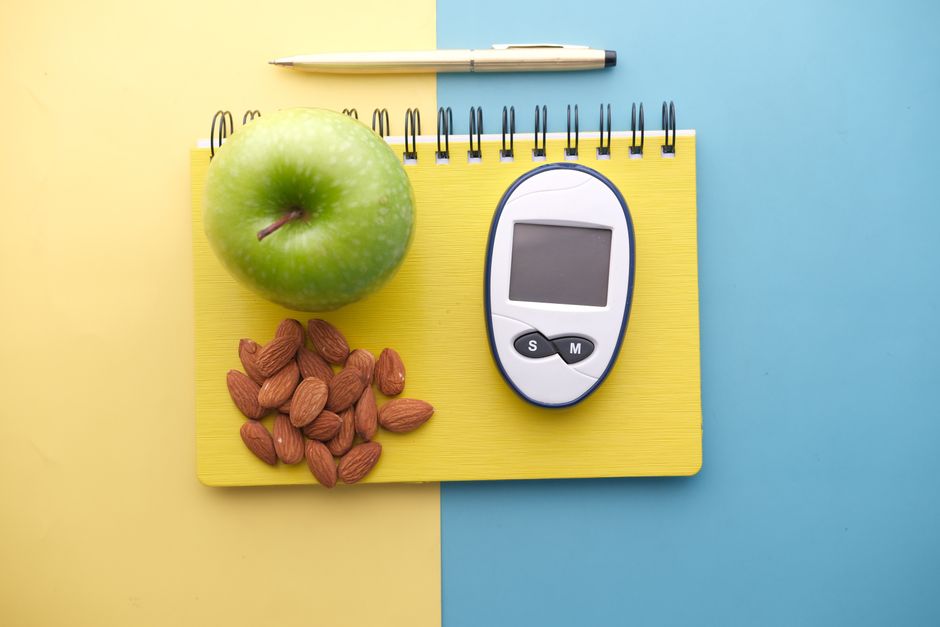
Your blood sugar drops when the amount of glucose in your bloodstream falls below the normal range. For most people, that means a reading under 70 mg/dL. The medical term is hypoglycemia. When this happens, your body reacts quickly because your brain depends on glucose for fuel. You may feel shaky, sweaty, confused, or suddenly very hungry. These symptoms are your body’s warning system telling you to raise your blood sugar now.
What Counts as Low Blood Sugar?
Healthcare providers generally define low blood sugar as a blood glucose level below 70 mg/dL. This threshold is the same for most adults, whether or not they have diabetes. Some people feel symptoms at slightly higher levels, and others don’t feel anything until the number drops further.
For people with diabetes, the risk of hypoglycemia is a daily concern. Insulin and certain diabetes medications can push blood sugar too low. For people without diabetes, low blood sugar is less common but still possible. It can happen after intense exercise, from certain medications, or from underlying medical conditions.
Blood sugar below 54 mg/dL is considered clinically significant hypoglycemia. At this level, symptoms become more severe and the risk of needing help from another person increases.
What Happens Inside Your Body When Blood Sugar Drops
Glucose is the primary fuel for your brain. Unlike other organs, the brain cannot store glucose. It needs a steady supply from the bloodstream. When blood sugar falls, your brain cannot function properly, and your body launches a series of responses.
Your body first releases counter-regulatory hormones. Glucagon signals the liver to release stored glucose. Epinephrine, also called adrenaline, triggers the physical symptoms you feel. This is why a low blood sugar episode feels like a sudden surge of nervous energy.
These hormonal responses are automatic. They happen whether you are awake or asleep. If the drop is gradual, your body may compensate without you noticing. If the drop is rapid, the symptoms hit hard and fast.
Common Symptoms of Hypoglycemia
Symptoms vary from person to person and from episode to episode. The classic early signs include:
- Shakiness or trembling
- Sweating and clamminess
- Rapid heartbeat
- Sudden intense hunger
- Anxiety or irritability
- Dizziness or lightheadedness
As blood sugar continues to fall, symptoms become more serious. Confusion, difficulty concentrating, and slurred speech can occur. Some people experience blurred vision or feel weak. In severe cases, a person may lose consciousness or have a seizure.
One important detail: not everyone gets the same warning signs. Some people, especially those who have had diabetes for many years, develop a condition called hypoglycemia unawareness. They no longer feel the early symptoms because their body has stopped producing the typical warning signals. This is dangerous because they may not realize their blood sugar is dropping until it becomes severe.



What Causes Blood Sugar to Drop?
For people with diabetes, the most common causes are taking too much insulin, skipping a meal, or exercising more than usual. Alcohol can also cause blood sugar to drop, especially when consumed without food. These causes are well established and widely documented in clinical guidelines.
For people without diabetes, the causes are different. Reactive hypoglycemia occurs when blood sugar drops a few hours after eating a high-carbohydrate meal. The body releases too much insulin in response to the meal, and blood sugar falls too low afterward.
Fasting hypoglycemia happens when you haven’t eaten for a long time. It can also be caused by certain medications, such as some antibiotics or heart medications. Liver disease, kidney disorders, and hormonal deficiencies can also produce low blood sugar. In rare cases, a tumor in the pancreas causes excess insulin production.
If you don’t have diabetes and you experience repeated episodes of low blood sugar, you should see a doctor. The underlying cause needs to be identified before it can be treated properly.
How to Treat Low Blood Sugar Quickly
The standard treatment is the 15-15 rule. Check your blood sugar. If it is below 70 mg/dL, eat or drink 15 grams of fast-acting carbohydrates. Wait 15 minutes. Check again. If it is still low, repeat the process.
Fast-acting carbohydrates include:
- Glucose tablets (follow the label for the number that equals 15 grams)
- 4 ounces of regular fruit juice
- Half a can of regular soda
- 1 tablespoon of honey or sugar
- Hard candies (check the label for carbohydrate content)
After your blood sugar returns to normal, eat a small snack with protein or complex carbohydrates if your next meal is more than an hour away. This helps prevent another drop.
If a person is unconscious or cannot swallow, do not give them food or drink. They need glucagon, a prescription medication that raises blood sugar. Call emergency services immediately. Do not attempt to force food into an unconscious person’s mouth.
Can Low Blood Sugar Be Prevented?
For people with diabetes, prevention starts with medication management. Insulin doses should match food intake and activity levels. Checking blood sugar regularly helps you see patterns and adjust before problems start.
Eating regular meals and snacks helps maintain steady blood sugar. If you exercise, check your blood sugar before and after. You may need a snack before physical activity. Alcohol should be consumed with food, and blood sugar should be monitored closely afterward.
For people without diabetes, prevention depends on the cause. If you have reactive hypoglycemia, eating smaller, more frequent meals may help. A diet with more protein and fiber and fewer refined carbohydrates can reduce the insulin surge after meals. If you have fasting hypoglycemia, you need a medical evaluation to find the cause.
Wearing a continuous glucose monitor can help some people detect drops before symptoms start. These devices are commonly used by people with diabetes. Some people without diabetes also use them, though the evidence for this use is still developing.
When Low Blood Sugar Becomes an Emergency
Severe hypoglycemia is a medical emergency. It occurs when blood sugar drops so low that a person cannot treat themselves. They may be confused, disoriented, or unconscious. Seizures can occur.
If you are with someone who is having severe hypoglycemia, call emergency services. If the person has a glucagon kit and you know how to use it, administer it. Glucagon is a prescription medication that raises blood sugar rapidly. It is available as an injectable and as a nasal powder.
After a severe episode, a person should be evaluated by a doctor. The episode needs to be reviewed to understand what caused it and how to prevent it from happening again. For people with diabetes, medication doses may need adjustment.
Repeated severe episodes can have long-term consequences. Research has shown that severe hypoglycemia is associated with an increased risk of cardiovascular events in older adults with diabetes. The brain can also be affected, especially in people who have frequent severe episodes.
Frequently Asked Questions
What should I eat immediately when my blood sugar drops?
Eat or drink 15 grams of fast-acting carbohydrates like glucose tablets, fruit juice, or regular soda. Wait 15 minutes, then check your blood sugar again.
Can low blood sugar happen if I don’t have diabetes?
Yes, it can happen from reactive hypoglycemia after meals, fasting, certain medications, or underlying medical conditions. If it happens repeatedly, see a doctor to find the cause.
How low does blood sugar have to be before it becomes dangerous?
Blood sugar below 54 mg/dL is considered clinically significant and can cause severe symptoms. Below that level, the risk of confusion, unconsciousness, and seizures increases.
Why don’t I feel symptoms when my blood sugar drops?
Some people develop hypoglycemia unawareness, especially after years of diabetes. Their body stops producing the usual warning symptoms, which makes the condition more dangerous.
