
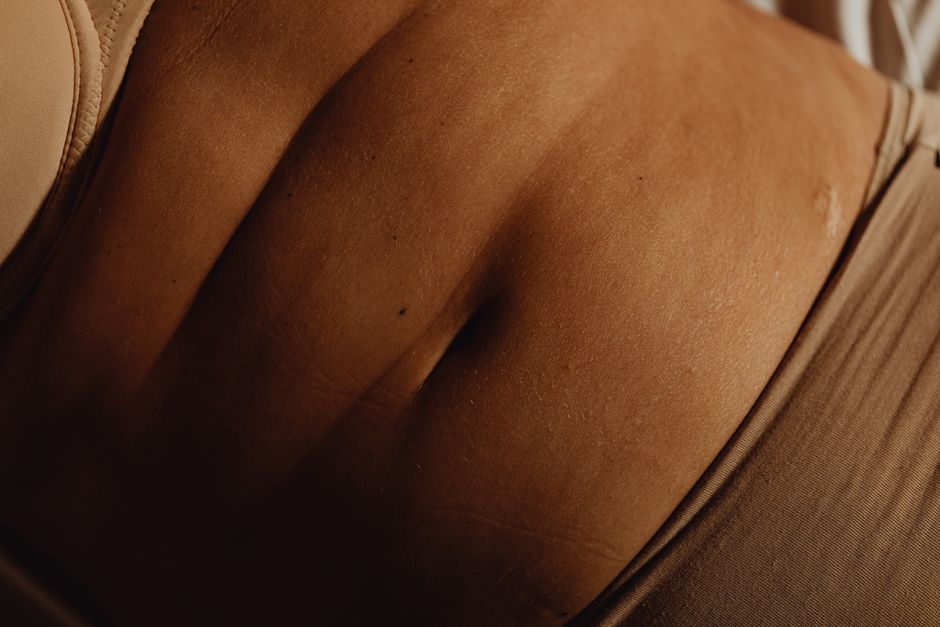
Finding blood in your belly button is alarming, but it is rarely an emergency. The most common causes are minor skin irritation, an infected piercing, or a benign growth like an umbilical granuloma. However, blood can also signal an underlying issue such as an infection, endometriosis, or a problem with abdominal organs, so persistent bleeding deserves a medical evaluation. The key is to look at the accompanying symptoms—pain, discharge, or odor—to determine how urgent the situation is.
What Causes Bleeding From the Belly Button?
Bleeding from the navel has several possible causes. The right diagnosis depends on your history, whether you have a piercing, and what other symptoms you notice. Some causes are superficial and easy to treat. Others require imaging or specialist care.
The belly button is a scar left from where the umbilical cord attached. The skin there is thin, and the area is often deep and moist. That makes it prone to irritation and infection. Blood can come from the skin itself, from deeper tissue, or from structures inside the abdomen that connect to the navel area.
Skin Irritation and Friction
Simple friction is a common cause. Tight clothing, metal buttons, or vigorous scratching can break the delicate skin inside the navel. Soap residue, sweat, and moisture can also cause a rash that weeps and bleeds. If the bleeding started after new clothing or a new body wash, irritation is a likely culprit.
Infected Belly Button Piercing
A piercing is a wound. If it does not heal cleanly, bacteria can enter the site. An infected piercing can bleed, ooze yellow or green pus, and feel warm to the touch. The area may also be swollen and painful. Piercings in the navel are particularly prone to infection because the area stays moist and is constantly rubbed by clothing.
Umbilical Granuloma
A granuloma is a small, red, moist lump of tissue. It can form after the umbilical cord falls off in a newborn, but it can also appear in adults after minor trauma or surgery. Granulomas bleed easily when rubbed. They are not cancerous, but a doctor can remove or treat them if they do not resolve on their own.
Umbilical Hernia Complications
An umbilical hernia occurs when tissue pushes through a weak spot in the abdominal wall near the navel. Most hernias are painless bulges. If the hernia becomes trapped or strangulated, the blood supply to the tissue is cut off. This is a surgical emergency. Bleeding from the navel with severe pain, nausea, and a firm, tender bulge requires immediate medical attention.
Why Do I Have Blood In My Belly Button? The Role of Infection
Infections are among the most common reasons for navel bleeding. The belly button has deep folds that trap dead skin cells, oil, and dirt. When bacteria multiply in that environment, an infection called omphalitis can develop. This is a bacterial infection of the umbilical area.
Omphalitis is more common in newborns, but it can occur in adults, especially those with poor hygiene, diabetes, or a weakened immune system. Symptoms include redness, swelling, a foul-smelling discharge, and bleeding. The discharge is often yellow or brown and may be mixed with blood. If the infection spreads, it can cause fever and requires antibiotics.
A fungal infection, usually caused by Candida yeast, can also affect the navel. Fungal infections typically cause itching, a white or yellowish discharge, and a red rash. Scratching that rash can produce blood. Fungal infections are not dangerous but often recur unless the area is kept dry.
If you have diabetes, pay special attention to any navel infection. High blood sugar impairs immune function and wound healing. What starts as a minor infection can become a deeper abscess that requires drainage.
Umbilical Endometriosis: A Less Common Cause
Endometriosis is a condition where tissue similar to the uterine lining grows outside the uterus. In rare cases, that tissue can grow in or near the belly button. This is called umbilical endometriosis.
The hallmark sign is bleeding from the navel that coincides with your menstrual period. The area may also be painful or swollen during menstruation. The bleeding happens because the endometrial tissue responds to hormonal changes and sheds, just like the uterine lining does.
This condition is not dangerous, but it can be painful and distressing. Surgery is the standard treatment to remove the tissue. If you notice monthly bleeding from your navel, mention it to your gynecologist or primary care doctor. It is an uncommon diagnosis, but it is well documented in medical literature.





When the Belly Button Bleeding Signals an Internal Problem
In rare cases, blood from the navel comes from inside the abdomen. This happens when fluid or blood travels through a channel that should have closed after birth.
Before birth, the umbilical vein carries blood from the placenta to the fetus. After birth, this vessel normally closes and becomes a ligament. In some people, the vessel does not close completely. This is called a patent urachus or a patent umbilical vein. If the channel remains open, fluid from the bladder or abdominal cavity can leak out through the navel. Blood mixed with that fluid can appear as navel bleeding.
Another rare connection involves the liver. In people with liver disease, pressure in the abdominal veins increases. This can cause blood to flow backward through the umbilical vein remnant and leak from the navel. This is a serious sign of advanced liver disease and requires urgent evaluation.
These internal causes are rare. Most navel bleeding is superficial. But if you have abdominal pain, swelling, or a history of liver disease, do not assume the bleeding is minor.
How to Clean and Care for a Bleeding Belly Button
If the bleeding is light and there are no signs of infection, you can start with gentle home care. The goal is to keep the area clean and dry so the skin can heal.
Wash the area with mild soap and warm water. Use your fingertip or a soft washcloth to gently clean inside the folds. Rinse thoroughly. Soap residue can cause irritation, so make sure none is left behind. Pat the area dry with a clean towel. Do not rub.
After drying, you can apply a small amount of over-the-counter antibiotic ointment if the skin looks raw. This is optional. Keeping the area dry is often more important than applying ointment. Moisture promotes bacterial and fungal growth.
Avoid tight clothing and high-waisted pants until the area heals. If you have a piercing, do not remove the jewelry on your own. Removing it can trap the infection inside. See a healthcare provider instead.
Do not put hydrogen peroxide or alcohol on the area. These can damage healthy tissue and slow healing. Stick to soap and water.
When to See a Doctor for Belly Button Bleeding
Some situations require professional medical care. Do not wait to see a doctor if you experience any of the following:
- Heavy bleeding that does not stop with gentle pressure
- Bleeding accompanied by severe abdominal pain
- A visible bulge near the navel that is firm and tender
- Fever or chills
- Redness spreading outward from the navel
- A foul-smelling discharge mixed with blood
- Bleeding that recurs on a regular basis, especially with your menstrual cycle
Your doctor will examine the area and may order tests. A swab of the discharge can identify bacteria or fungus. An ultrasound or CT scan can look for internal causes like a hernia or a patent urachus. If endometriosis is suspected, your doctor may refer you to a gynecologist.
Most causes of navel bleeding are treatable with antibiotics, antifungal medication, or simple procedures. The key is getting an accurate diagnosis rather than treating the symptom blindly.
Can You Prevent Belly Button Bleeding?
Prevention depends on the cause. For most people, good hygiene is the main preventive step. Clean your navel regularly, especially after workouts or heavy sweating. Dry it thoroughly. Avoid harsh soaps that strip the skin of natural oils.
If you have a piercing, follow proper aftercare. Clean the site with saline solution and avoid touching it with unwashed hands. Watch for early signs of infection, such as redness, pain, or discharge. Treating an infection early is much easier than treating an advanced one.
If you are overweight or have diabetes, keep the area extra dry. Skin folds hold moisture, which encourages fungal growth. Talcum powder or a moisture-wicking fabric can help, but check with your doctor before using powders on broken skin.
For people with recurrent umbilical hernias, surgery may be recommended to prevent complications. Discuss your options with a surgeon if you have a hernia that causes symptoms.
Frequently Asked Questions
Is blood in the belly button an emergency?
Most cases are not emergencies, but bleeding with severe abdominal pain, fever, or a tender bulge requires immediate medical care.
Can a belly button infection cause bleeding?
Yes, bacterial or fungal infections in the navel can cause bleeding, discharge, and odor.
Why does my belly button bleed during my period?
This can be a sign of umbilical endometriosis, where endometrial tissue grows near the navel and bleeds in response to hormones.
How do I clean a bleeding belly button?
Wash gently with mild soap and warm water, rinse thoroughly, and pat dry. Avoid alcohol and hydrogen peroxide.
