
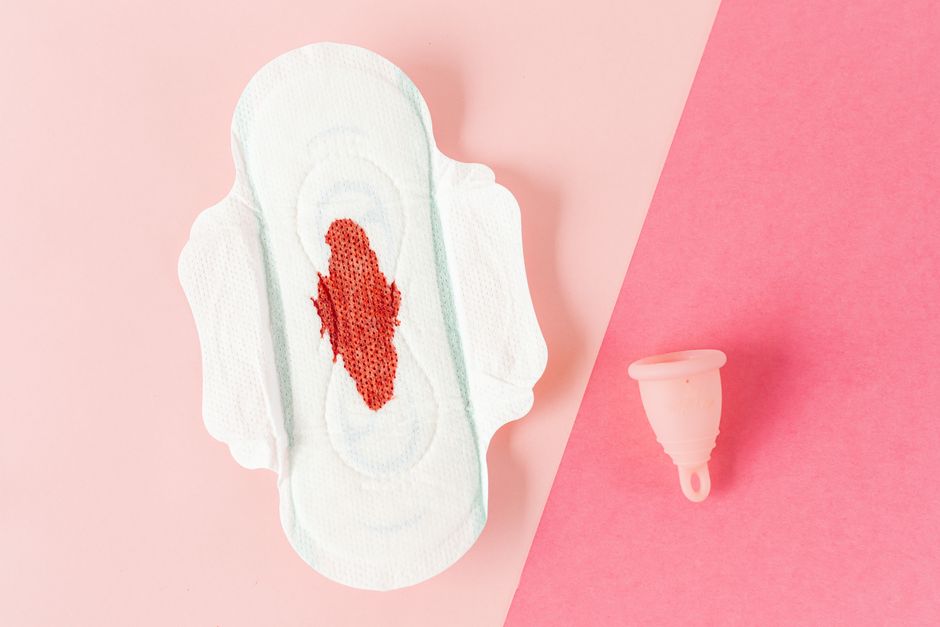
Passing a large blood clot is your body’s way of telling you something needs attention. The most common reason is heavy menstrual bleeding, where blood pools in the vagina or uterus and leaves in clumps instead of flowing freely. Other causes include miscarriage, postpartum bleeding, uterine fibroids, hormonal imbalance, and in rare cases a bleeding disorder. The clot itself is not the disease — it is a sign of where and how fast blood is collecting.
What matters most is the context. A clot during your period is often harmless. A clot after childbirth, during pregnancy, or with soaking-through-a-pad bleeding in under an hour needs medical care right away. This article explains the root causes honestly, so you can tell the difference between something ordinary and something urgent.
Why Did A Big Blood Clot Come Out Of Me?
Blood clots when it sits still long enough to congeal. Menstrual blood contains anticoagulants that normally keep it liquid, but when flow is heavy or fast, those anticoagulants cannot keep up. The result is a gel-like mass — a clot.
Size is the key detail. Clots smaller than a quarter are common and usually not a concern. Clots larger than a quarter, especially recurring ones, are worth mentioning to a doctor. This threshold comes from standard gynecological guidance and is widely used in clinical practice.
Where the clot came from also matters:
- Vaginal bleeding during a period — most often heavy menstrual bleeding
- After childbirth — normal in the first days, then a warning sign if heavy or large
- During pregnancy — always needs urgent evaluation
- After a procedure — such as abortion, IUD insertion, or biopsy
- With urinary or bowel bleeding — a different problem entirely, not menstrual
If you are not sure where the blood came from, that itself is a reason to get checked. A doctor can usually tell quickly with an exam and a few basic tests.
Heavy Menstrual Bleeding: The Most Common Cause
Heavy menstrual bleeding — called menorrhagia — is the leading reason women pass large clots during their period. It affects a substantial number of women at some point in their reproductive years.
Clinically, heavy bleeding is defined by how much and how fast you bleed, not by how it feels. Signs include:
- Soaking through one pad or tampon every hour for several hours in a row
- Needing to change protection during the night
- Bleeding that lasts longer than seven days
- Passing clots larger than a quarter
- Bleeding that interferes with daily life
Those criteria come from standard clinical definitions used by gynecologists. If you meet one or more, it is reasonable to bring it up at your next visit — or sooner if it is new or getting worse.
Heavy bleeding is not just inconvenient. Over time it can cause iron-deficiency anemia, which leads to fatigue, shortness of breath, and pale skin. That is one reason doctors take it seriously even when the cause turns out to be benign.
What Causes Heavy Periods And Clots?
Several different problems can produce the same symptom. That is why a doctor usually needs tests to sort out which one applies to you.
Uterine fibroids. These are noncancerous growths in the muscular wall of the uterus. They are common, especially in women in their 30s and 40s, and they can make periods heavier and clottier. Not all fibroids cause symptoms — many are found by chance.
Hormonal imbalance. Estrogen and progesterone control the buildup and shedding of the uterine lining. When the balance shifts — as it can with thyroid problems, polycystic ovary syndrome, or perimenopause — bleeding can become irregular and heavy.
Adenomyosis. This is when tissue similar to the uterine lining grows into the muscular wall of the uterus. It often causes heavy, painful periods and tends to be more common in women over 30 who have had children.
Polyps. Small growths on the lining of the uterus or cervix. They are usually benign and can cause unpredictable bleeding and clots.
Bleeding disorders. Conditions such as von Willebrand disease affect how blood clots. They are uncommon but are more likely to be the cause when heavy periods start with the very first period in adolescence or run in families.
Medications. Blood thinners and some hormonal treatments can change bleeding patterns. This is worth mentioning to your doctor if it lines up with a new medication.




Clots After Childbirth Or Miscarriage
After delivery, the uterus sheds the lining that supported the pregnancy. Some clotting is expected in the first days. Bleeding typically lightens over the following weeks.
What is not normal:
- Soaking a pad in an hour
- Passing clots larger than a golf ball
- Bleeding that gets heavier instead of lighter
- Fever, chills, or foul-smelling discharge
- Dizziness, racing heart, or fainting
These signs can point to a serious problem such as retained placental tissue or a postpartum hemorrhage. They need urgent medical evaluation, not a wait-and-see approach.
After a miscarriage, clotting is also common, but heavy bleeding with large clots or ongoing bleeding for weeks should be checked. In pregnancy, any bleeding with clots should be evaluated the same day. That is not a reason to panic — it is a reason to call.
When Is A Blood Clot A Medical Emergency?
Some clot situations are emergencies. Do not wait to see if they improve.
- Bleeding that soaks through one pad an hour for two hours or more
- Clots larger than a golf ball
- Bleeding during pregnancy
- Bleeding with severe pain, fever, or fainting
- Bleeding with a racing heart, dizziness, or shortness of breath
One important distinction: a clot that comes out of the vagina is different from a blood clot in a vein. A deep vein thrombosis forms inside a blood vessel, usually in the leg, and can travel to the lungs. That is a separate and serious condition. Vaginal clots are about bleeding from the uterus, not a clot inside a vessel.
If you have leg swelling, calf pain, or sudden shortness of breath, that is a different emergency — call for help immediately.
What Tests And Treatments Do Doctors Use?
Evaluation usually starts with a medical history and a pelvic exam. From there, common tests include:
- Blood count to check for anemia
- Thyroid and hormone levels
- Pelvic ultrasound to look for fibroids, polyps, or adenomyosis
- Endometrial biopsy in some cases, especially after age 45
- Clotting tests if a bleeding disorder is suspected
Treatment depends on the cause. Options range from iron supplements for anemia to hormonal medications, non-hormonal medications that reduce bleeding, procedures to remove polyps or fibroids, and in some cases surgery. Which one fits depends on your age, whether you want to have children, and what the tests show.
Some clinicians also recommend a hormonal IUD to reduce heavy bleeding. It is widely used and has a reasonable evidence base, though it is not right for everyone. Your doctor can explain the tradeoffs.
No single treatment works for every cause. That is why getting a clear diagnosis matters more than trying remedies at random.
What You Can Track Before Your Appointment
Bringing good information to your visit helps your doctor move faster. In the weeks before an appointment, note:
- How many pads or tampons you use per day
- How often you have to change them at night
- Clot size — compare to a coin or a known object
- How many days bleeding lasts
- Any pain, fatigue, or dizziness
- Medications and supplements you take
This is the kind of detail that separates a vague complaint from a clear clinical picture. It is not a substitute for an exam, but it makes the exam more useful.
Frequently Asked Questions
Why did a big blood clot come out of me during my period?
The most likely cause is heavy menstrual bleeding, where blood collects faster than the body’s natural anticoagulants can keep it liquid. Clots larger than a quarter, or ones that keep happening, are worth a doctor’s visit.
What size blood clot is too big?
Clots larger than a quarter are generally considered worth evaluating, and clots larger than a golf ball need urgent care. Size matters more than the number of clots.
Can a blood clot mean I am having a miscarriage?
Yes, passing clots with cramping and bleeding during early pregnancy can be a sign of miscarriage. Any bleeding with clots during pregnancy should be evaluated the same day.
When should I go to the emergency room for a blood clot?
Go if you soak through one pad an hour for two hours or more, pass clots larger than a golf ball, or have bleeding with fainting, severe pain, or a racing heart. Bleeding during pregnancy is also an emergency.
