

A blood clot in a vein typically takes weeks to months to fully dissolve, depending on its size, location, and how it is treated. With blood thinners, most clots stabilize within days and shrink noticeably over 3 to 6 months. Some clots never completely disappear and instead turn into scar tissue, but that is often harmless.
How Long Does It Take A Blood Clot To Dissolve
The timeline depends on where the clot is and what treatment you receive. A small clot in a superficial vein near the skin may dissolve in 2 to 4 weeks. A deep vein thrombosis, or DVT, in the leg or arm usually takes 3 to 6 months to resolve with anticoagulant medication.
Your body starts breaking down a clot almost immediately through a natural process called fibrinolysis. This process dissolves the fibrin mesh that holds the clot together. But for larger clots, the body’s own system is too slow to be the only treatment. That is why doctors prescribe blood thinners — not to dissolve the clot directly, but to stop it from growing while your body works to break it down.
After about 6 months, imaging scans often show that the vein is clear. In some cases, a portion of the clot remains as scar tissue. This is called post-thrombotic change, and it does not usually require further treatment unless it causes symptoms.
What Determines How Fast A Clot Breaks Down
Clot size is the biggest factor. A small clot has more surface area relative to its volume, so the body’s enzymes can reach and break it down faster. A long clot in the thigh or pelvis simply takes more time.
Clot location also matters. Clots in the calf tend to dissolve faster than clots in the thigh or pelvis. Clots in the lungs, called pulmonary emboli, are often treated more aggressively because they are dangerous, and they may be broken down faster with stronger medication.
Your age and overall health play a role too. Younger people with healthy circulation tend to clear clots faster. Conditions like cancer, obesity, or a previous clot can slow the process. Smoking damages the lining of blood vessels and can interfere with normal clot breakdown.
How Blood Thinners Change The Timeline
Blood thinners do not dissolve clots. They prevent new clot formation and stop existing clots from growing. This is a common misunderstanding. The body still has to do the actual dissolving work.
Once you start anticoagulant therapy, the clot usually stops growing within the first 24 to 48 hours. Symptoms like swelling and pain often improve within a few days. But the clot itself remains visible on ultrasound for weeks or months.
Standard treatment for a DVT is 3 to 6 months of blood thinners. The exact duration depends on why the clot formed. If the clot was caused by surgery or a temporary situation, 3 months may be enough. If there is no clear cause, or if you have had multiple clots, your doctor may recommend longer treatment.
Some newer direct oral anticoagulants, like apixaban or rivaroxaban, work just as well as older drugs like warfarin for most patients. They do not speed up clot dissolution, but they are easier to manage because they do not require frequent blood tests.



What Happens If A Clot Does Not Fully Dissolve
Not all clots dissolve completely. Some leave behind scar tissue inside the vein. The vein may become narrowed or the valves inside it may stop working properly. These valves normally keep blood flowing in one direction back to the heart.
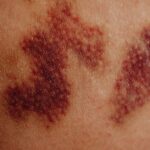
When valves fail, blood pools in the lower leg. This can cause chronic swelling, skin discoloration, and in severe cases, open sores. Doctors call this post-thrombotic syndrome. It develops in about 20 to 50 percent of people who have had a DVT, though estimates vary widely between studies.
Post-thrombotic syndrome is not dangerous in the way a new clot is dangerous. But it can be uncomfortable and hard to treat. Wearing compression stockings during and after treatment reduces the risk. Some research suggests that early, aggressive clot removal may lower the risk, but this is not standard care for everyone.
If a clot in the lung does not dissolve, it can leave behind scar tissue in the pulmonary arteries. This raises pressure in the lungs and strains the right side of the heart. This condition, called chronic thromboembolic pulmonary hypertension, is rare but serious. It affects a small percentage of people who have had a pulmonary embolism.
Can Clot-Busting Drugs Speed Things Up
Yes, but they are reserved for specific situations. Drugs called thrombolytics, such as tissue plasminogen activator, actively dissolve clots. They work quickly — often within hours — but they carry a significant risk of serious bleeding.
Doctors use thrombolytics when a clot is life-threatening. This includes massive pulmonary emboli that cause low blood pressure, or large DVTs in the leg that threaten the limb. They are also sometimes used for clots in the abdomen or brain.
For most DVTs, the risk of bleeding from thrombolytics outweighs the benefit. Standard blood thinners are safer and work well enough for the majority of patients. Some hospitals offer catheter-directed thrombolysis, where the drug is delivered directly into the clot through a thin tube. This lowers the dose needed, but it is still not appropriate for everyone.
How Do Doctors Know The Clot Is Gone
Doctors do not routinely scan every patient after treatment ends. If your symptoms resolve and you finish your prescribed course of blood thinners, your doctor may simply assume the clot is gone. Repeat imaging is usually only ordered if symptoms persist or return.
Ultrasound is the most common imaging test for DVTs. It can show whether blood is flowing normally through the vein and whether any clot remains. A repeat ultrasound is typically done 3 to 6 months after diagnosis if there is concern about incomplete resolution.
A blood test called a D-dimer measures fragments of dissolved clot in the blood. It is useful for ruling out a new clot, but it is not reliable for confirming that an old clot is gone. Many people have elevated D-dimer levels for months after a clot.
If you still have swelling or pain after finishing treatment, tell your doctor. Persistent symptoms may mean the vein is scarred, or it may mean a new clot has formed. Both need evaluation.
When To Seek Immediate Medical Care
A dissolving clot does not normally cause new symptoms. But you need to know the warning signs of a new or worsening clot.
Seek emergency care if you have sudden shortness of breath, chest pain that worsens with deep breathing, coughing up blood, or a rapid heart rate. These can be signs of a pulmonary embolism.
Seek urgent care if you have new swelling, pain, or redness in one leg, especially if it follows a period of immobility, surgery, or long travel. These can be signs of a new DVT.
If you are on blood thinners, watch for signs of serious bleeding. These include coughing up blood, black or tarry stools, blood in urine, vomiting blood, or a severe headache that came on suddenly. Any of these requires immediate medical attention.
Frequently Asked Questions
Can a blood clot dissolve on its own without treatment?
Small clots in superficial veins can dissolve on their own. Larger clots in deep veins or the lungs require medical treatment because they can grow, break off, or cause permanent damage.
How long do you have to take blood thinners after a blood clot?
Most people take blood thinners for 3 to 6 months after a DVT or pulmonary embolism. Your doctor may extend treatment if the clot had no clear cause or if you have had multiple clots.
Will I need a follow-up ultrasound to check if the clot is gone?
Not always. Many doctors only repeat imaging if symptoms persist or return after treatment. A normal ultrasound after treatment is reassuring, but a clot that leaves scar tissue may still show up on imaging.
What are the signs that a blood clot is getting worse?
Worsening swelling, increasing pain, warmth, or redness in the affected limb can signal a growing clot. Sudden chest pain, trouble breathing, or fainting can signal a clot that has moved to the lungs — this is a medical emergency.
