
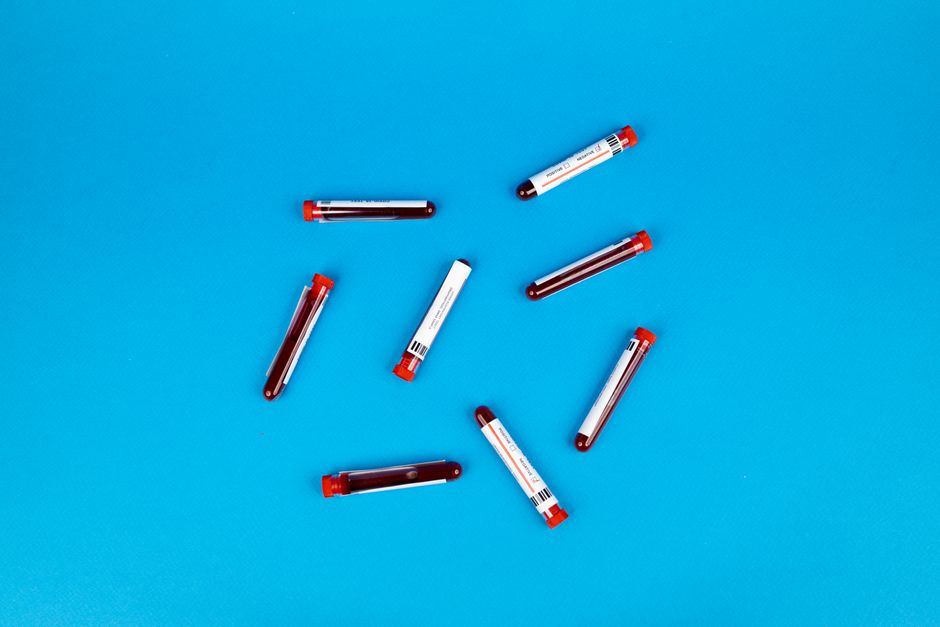
When a healthcare provider orders blood work, it is common for the phlebotomist to fill several small tubes from a single needle stick. Seeing three or more vials lined up can feel like a lot of blood leaving your arm. The direct reason is simple: each vial is designed for a specific test or group of tests, and modern analyzers require separate samples to run them correctly. The tubes contain different additives that prepare the blood for distinct types of analysis, and mixing those processes would ruin the results.
Why Do They Take 3 Vials Of Blood?
Each colored tube top indicates a specific additive inside. That additive determines whether the blood stays liquid, clots, or gets mixed with a preservative. A complete blood count needs blood that will not clot, so it goes in a tube with an anticoagulant. A chemistry panel often requires serum, which means the blood must be allowed to clot first. You cannot get both from the same tube because the anticoagulant would interfere with the chemistry test.
The number of vials usually matches the number of different testing methods required. If your doctor orders a lipid panel, a metabolic panel, and a thyroid test, the lab may need two or three separate tube types. It is not about collecting extra blood for no reason. It is about collecting the right sample for each machine and each assay.
Most standard adult tubes hold between 3 and 10 milliliters of blood. Three vials typically total less than 30 milliliters, which is a tiny fraction of the roughly 4,500 to 5,000 milliliters circulating in an average adult. The volume is clinically insignificant for most people, though it can matter for premature infants or patients with severe anemia.
What Do The Different Tube Colors Mean?
Laboratory tubes follow a color-coding system that is standardized across most major manufacturers. Knowing the colors helps explain why multiple vials are necessary.
- Lavender or purple top: Contains EDTA, an anticoagulant that preserves cell shape and count. Used for complete blood count, hemoglobin A1c, and blood smears.
- Gold or tiger top: Contains a gel separator and clot activator. Used for chemistry panels, liver function tests, and lipid profiles.
- Light blue top: Contains sodium citrate, which binds calcium to prevent clotting. Used for coagulation tests like PT and PTT.
- Red top: Contains no additive or a clot activator. Used for serology, blood banking, and certain antibody tests.
- Green top: Contains heparin, an anticoagulant that works differently from EDTA. Used for plasma chemistry and some stat lab tests.
If a doctor orders tests that require both EDTA and serum, the lab needs at least two tubes. If they also order a coagulation study, that is a third tube. The number of vials directly reflects the range of tests ordered.
Is Drawing Multiple Vials Safe?
For a healthy adult, losing 20 to 30 milliliters of blood for testing is safe. The body replaces the fluid volume within hours and the red blood cells within weeks. Blood donation typically removes about 500 milliliters, so diagnostic draws are far below that threshold.
The concern is different for specific populations. Premature infants, patients with heart failure, and people with severe anemia may not tolerate even small blood losses well. Hospital protocols often limit cumulative blood draws in these groups. Some neonatal units use microtainers that require only a few drops of blood per test.
Repeated draws over a hospital stay can add up. A patient in intensive care may have blood taken multiple times daily for weeks. This condition, called hospital-acquired anemia, is a recognized concern. Clinicians now use smaller tubes and batch tests to reduce total blood loss in these settings.





Can One Vial Be Used For Multiple Tests?
Sometimes yes, but only when the tests are compatible. A single lavender tube can run a complete blood count and a hemoglobin A1c because both tests work on EDTA whole blood. A single gold tube can run multiple chemistry tests because they all use the same serum sample.
The limitation is not the amount of blood in the tube. It is the chemical environment. EDTA chelates calcium, which is exactly what a coagulation test needs to be prevented, but it also interferes with assays that depend on calcium or enzymes. Heparin interferes with certain antibody tests and can cause cell clumping.
Modern analyzers can run dozens of tests from a single tube if the tube type matches the required methodology. The reason your provider orders three vials is likely because the tests span different methodologies. It is not a sign of waste or carelessness.
What Happens To The Blood After It Is Drawn?
Once the vials are filled, they are labeled with your name and date of birth. The phlebotomist inverts the tubes several times to mix the blood with the additive. Inversion prevents clotting in anticoagulant tubes and ensures the additive distributes evenly.
The tubes travel to the laboratory, where they are centrifuged if serum or plasma is needed. Centrifugation spins the blood at high speed to separate red cells from the liquid portion. The gel in gold tubes acts as a barrier, trapping the cells below and keeping the serum clean for analysis.
Automated analyzers then measure the requested analytes. Results are transmitted electronically to your provider, who interprets them in the context of your symptoms, history, and other findings. The remaining blood is typically stored for a short period in case repeat testing is needed, then discarded according to medical waste regulations.
Could The Number Of Vials Be Reduced?
Efforts to reduce blood draw volumes are ongoing. Some hospitals have switched to pediatric tubes for adult patients, which hold less blood but still work with modern analyzers. Others use closed-loop systems that return unused blood to the patient.
Point-of-care testing also reduces vial counts. A fingerstick glucose test uses a single drop of blood. A portable INR monitor for warfarin patients uses a small sample rather than a full blue-top tube. These technologies are valuable but limited to specific tests.
For comprehensive laboratory panels, multiple vials remain the standard. The alternative would be to draw blood multiple times, which is worse for the patient. One needle stick with three vials is preferable to three separate draws.
Frequently Asked Questions
How much blood is in three vials?
Three standard adult tubes contain roughly 15 to 30 milliliters of blood total. That is about 1 to 2 tablespoons and is quickly replaced by the body.
Why do they need so much blood for one test?
They do not need a large volume for a single test, but the tube must contain enough for the analyzer to aspirate a sample and for repeat testing if needed. The vial size is set by the instrument manufacturer, not by the phlebotomist.
Can I ask for fewer vials to be drawn?
You can ask, but the number of vials is determined by the tests your provider ordered. Reducing the number could mean skipping necessary tests or requiring a second draw later.
What happens if the lab does not get enough blood?
If a vial is underfilled, the additive concentration becomes incorrect and the test may be rejected. You would likely need to be drawn again, which is why phlebotomists fill tubes to the marked line.
