
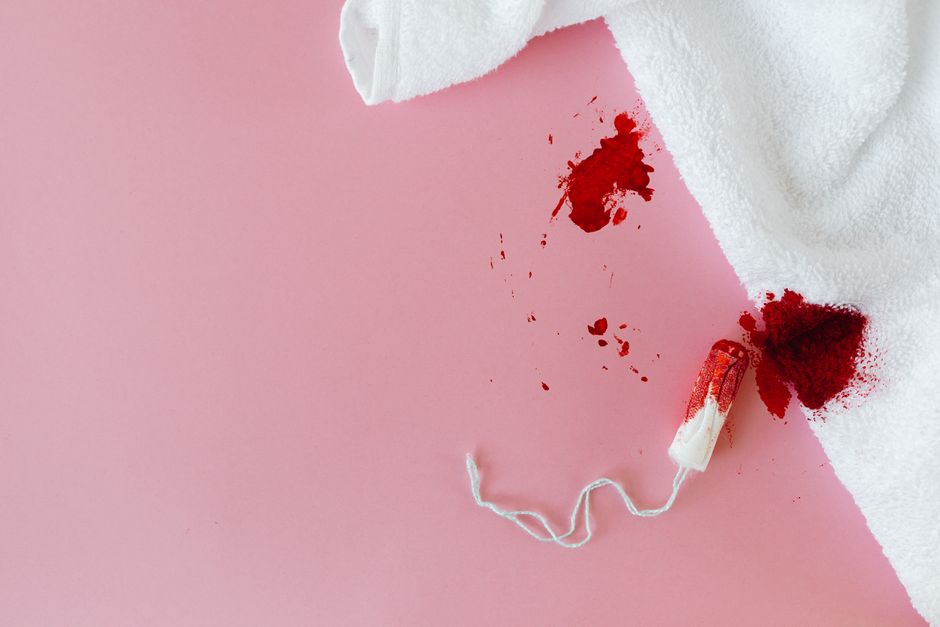
After a tooth extraction, your body immediately starts the healing process by forming a blood clot in the empty socket. This clot is a protective scab made of blood cells and platelets, and it is essential for proper recovery. You can know if a blood clot formed by looking for a dark red or maroon, jelly-like substance filling the socket, and by experiencing minimal bleeding that stops within a few hours. If the socket looks empty, appears dry, or you feel severe, throbbing pain radiating from the site, the clot may have been dislodged or never formed properly.
What Does a Normal Blood Clot Look Like?
A normal blood clot after an extraction looks like a dark, reddish-black or maroon blob sitting in the socket. It has a jelly-like or gelatinous texture, similar to a scab you might see on a skin wound. Its size will roughly match the size of the tooth socket, filling the space where the tooth root used to be.
In the first 24 hours, the clot is the most visible. It may look larger than you expect, which is normal. The color can range from bright red to a deeper, almost purple or brown hue. Over the next several days, the clot will shrink as the body begins to replace it with new tissue. This process is gradual, and the clot may become covered by a whitish or grayish film, which is new tissue forming, not a sign of infection.
How to Check the Extraction Site Safely
Checking the site requires a gentle approach. You should never poke the socket with your finger, a cotton swab, or your tongue. Doing so can easily dislodge the clot and trigger bleeding or a painful condition called dry socket.
To look, stand in front of a mirror with good lighting. Gently pull your cheek or lip to the side to get a clear view of the extraction area. Open your mouth just enough to see the socket. You are looking for a dark, filled-in socket. If you see a dark red or black mass filling the hole, the clot is present. If the socket looks pale, white, or like exposed bone, the clot is not there or has been lost.
You can also check indirectly by watching for bleeding. A clot is working correctly when active bleeding stops within a few hours after the procedure. Oozing or a pink tinge to your saliva for the first day is normal, but steady or heavy bleeding means the clot is not stable.
Signs the Blood Clot Is Working Correctly
When the clot is intact and functioning, your body shows clear signs of normal healing. The most obvious sign is that bleeding stops. You may still see a slight pink tint in your saliva for the first 12 to 24 hours, but you should not be actively spitting blood.
- Pain subsides: Some discomfort is expected after the numbing wears off, but the pain should be manageable with over-the-counter pain relievers and should steadily decrease.
- No severe throbbing: A mild ache is normal. A deep, throbbing pain that radiates to your ear, eye, or neck is a red flag.
- No bad taste or odor: A healthy clot does not produce a foul smell or a bad taste in your mouth.
- Swelling peaks early: Mild swelling in the cheek or jaw is normal for the first 48 hours. If swelling suddenly increases after day two, that is a concern.
If you experience all these signs, the clot is likely doing its job. The healing process is on track, and the socket will gradually close over the coming weeks.




What Is a Dry Socket?
Dry socket, medically known as alveolar osteitis, is the most common complication after a tooth extraction. It happens when the blood clot fails to form, dissolves too early, or is dislodged from the socket. Without the clot, the underlying bone and nerves are exposed to air, food, and fluids, which causes intense pain.
The hallmark symptom of dry socket is severe pain that begins two to four days after the extraction. This pain is often described as a deep, dull, throbbing ache that radiates to the ear, eye, or neck on the same side of the face. It is typically much more intense than the normal post-operative discomfort. You may also see an empty-looking socket, possibly with visible white bone. A bad odor or unpleasant taste in the mouth is also common.
Dry socket is not an infection. It is a healing complication. It does not mean you are at risk of sepsis or systemic illness, but it does require professional treatment. Your dentist will need to clean the socket and place a medicated dressing to relieve the pain and promote healing. You cannot manage a dry socket effectively at home with over-the-counter remedies alone.
How to Know If Blood Clot Formed After Tooth Extraction — The Key Signs
The most direct answer to whether a blood clot formed is visual and sensory. Look for a dark, jelly-like mass in the socket. Feel for a level of pain that matches the expected recovery curve. And monitor your bleeding.
If the clot formed, the socket will look filled and dark. Your pain will peak within the first day and then gradually lessen. Bleeding will stop within a few hours, leaving only a slight pink tinge in saliva. These three factors together confirm the clot is present and working.
If the clot did not form, the socket will look empty and dry. The pain will be severe, starting a few days after surgery, and it will not improve with standard pain medication. You may also notice a bad taste or smell coming from the area. This combination of symptoms points strongly to a lost clot and the development of dry socket.
What to Do If You Think the Clot Is Gone
If you suspect the clot is missing, contact your dentist or oral surgeon immediately. Do not wait to see if the pain goes away. Dry socket pain does not resolve on its own and often worsens over several days.
While you wait for your appointment, you can take a few steps to keep the area clean and reduce discomfort. Rinse your mouth gently with warm salt water after eating. Do not swish vigorously, as this can dislodge any remaining clot or irritate the area. Stick to soft foods and avoid anything crunchy, spicy, or too hot. Over-the-counter pain relievers like ibuprofen can help manage the pain, but they will not fix the underlying problem.
Avoid smoking and using a straw. The suction from a straw and the chemicals in cigarettes are known to dislodge blood clots and significantly increase the risk of dry socket. These habits are the leading preventable causes of clot loss after extraction.
How Long Does the Clot Stay in Place?
The blood clot is not a permanent structure. It serves as a temporary scaffold for healing. Over the first week, the body begins to replace the clot with granulation tissue, which is new connective tissue and blood vessels. This tissue is what ultimately fills the socket and forms new bone.
For the first 24 to 48 hours, the clot is fragile and easy to dislodge. After about three to four days, the clot becomes more stable as new tissue grows into it. By the end of the first week, the clot is usually no longer visible as a separate mass because it has been incorporated into the healing tissue.
The full healing of the socket takes several months as bone regenerates, but the risk of dry socket drops dramatically after the first week. The highest-risk period is the first three to five days after the extraction.
When to Call Your Dentist
You should call your dentist if you experience any of the following: severe pain that is not controlled by prescribed or over-the-counter pain medication, pain that starts or worsens several days after the extraction, visible bone in the socket, or a foul taste or odor that does not go away with gentle rinsing.
Also call if you have heavy bleeding that soaks a gauze pad every few minutes for more than a few hours, or if you develop a fever, chills, or increasing facial swelling beyond the first two days. These signs may indicate an infection rather than a simple clot issue.
Do not hesitate to call. Dentists are used to these calls and can often determine over the phone whether you need to come in. Early treatment of dry socket shortens the duration of pain and reduces the risk of complications.
Frequently Asked Questions
Can I see the blood clot in my mouth?
Yes, you can usually see it in a mirror. Look for a dark red or maroon, jelly-like mass filling the extraction socket.
What does a lost blood clot look like?
A socket without a clot looks empty, dry, and pale. You may see white bone at the bottom of the socket, and the area may have a foul odor.
Does a dry socket hurt immediately?
No, the severe pain usually starts two to four days after the extraction, not right away. The pain is a deep, throbbing ache that radiates to the ear or neck.
Can I swallow my blood clot?
No, the clot stays in the socket and is not swallowed. If you feel something slide out of the socket, it may be the clot, and you should contact your dentist.
