

Blood clots can be serious, but most are preventable. A blood clot forms when blood thickens and clumps together, which can block blood flow. The most dangerous types are deep vein thrombosis (DVT), which forms in the legs, and pulmonary embolism, when a clot travels to the lungs. You can lower your risk with simple daily habits and by knowing when to move your body.
What Causes Blood Clots to Form?
Blood clots form for three main reasons, and doctors call this “Virchow’s triad.” First, blood flow slows down. This happens when you sit for long periods, stay in bed, or travel for hours. Second, the blood itself becomes more likely to clot, which can happen from medications, pregnancy, or certain genetic conditions. Third, damage to the blood vessel wall, such as from surgery, injury, or inflammation, can trigger clotting.
Understanding these three causes helps you see why prevention works. If you keep blood moving, avoid vessel damage, and manage your health conditions, you reduce your risk. Some risk factors you cannot change, like age and family history. Others, like sitting too long, you can control directly.
How To Avoid A Blood Clot? Step By Step
Start with movement. Do not sit still for more than one to two hours at a time. Get up, walk around, and stretch your legs. This keeps blood from pooling in your lower legs. If you cannot stand up, flex your ankles and point your toes repeatedly to activate your calf muscles.
Stay hydrated. Dehydration thickens your blood, making it easier to clot. Drink water throughout the day, especially during long car rides or flights. Limit alcohol and caffeine, which can dehydrate you.
Wear compression stockings if your doctor recommends them. These graduated stockings squeeze your lower legs and help blood flow upward. They are not for everyone, so ask your healthcare provider first.
Take medications exactly as prescribed. If your doctor prescribed blood thinners, take them at the same time every day. Never skip doses or stop without talking to your doctor. Some people need these medications after surgery or if they have a history of clots.
Manage your weight and stay active. Regular exercise improves circulation and helps maintain a healthy weight, both of which lower clot risk. Aim for moderate activity most days of the week, like brisk walking or cycling.
Quit smoking. Smoking damages blood vessel walls and makes platelets stickier, which promotes clotting. Stopping smoking lowers this risk significantly over time.
Manage chronic conditions. High blood pressure, diabetes, and high cholesterol all increase clot risk. Work with your doctor to keep these under control through medication, diet, and lifestyle changes.
What to Do During Long Flights or Car Rides
Long-distance travel is one of the most common times for clots to form. The risk increases when you sit for more than four hours without moving. This applies to planes, trains, buses, and cars equally.
During a flight, book an aisle seat if you can. This makes it easier to stand and walk without disturbing others. Get up every hour to walk the aisle. When seated, do calf exercises. Rotate your ankles, flex and point your feet, and lift your knees. These movements engage the calf muscles, which act as a pump to push blood back toward your heart.
In a car, plan stops every two hours. Get out, walk around for a few minutes, and stretch your legs. If you are a passenger, you can do leg exercises in your seat. Wear loose-fitting clothing that does not restrict blood flow around your waist or legs.
Consider compression stockings for travel if you have additional risk factors. These include prior clots, recent surgery, pregnancy, cancer, or being over 60. Some research suggests they reduce the risk of travel-related DVT. Discuss this with your doctor before using them.
Aspirin is not routinely recommended for travel-related clot prevention. While aspirin can reduce clotting, the evidence for preventing travel-related DVT is limited and inconsistent. The risk of bleeding may outweigh any benefit for most people. Follow your doctor’s advice rather than self-medicating before a trip.



Signs of a Blood Clot You Should Not Ignore
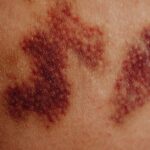
Recognizing symptoms early can save your life. Deep vein thrombosis in the leg typically causes swelling, pain, tenderness, and redness or warmth in one leg. The pain may feel like cramping or a charley horse that does not go away. These symptoms often appear in the calf or thigh.
A pulmonary embolism is a medical emergency. Symptoms include sudden shortness of breath, chest pain that worsens with deep breathing, a rapid heart rate, coughing up blood, and feeling lightheaded or faint. Call emergency services immediately if you experience these symptoms.
Not all leg pain is a clot. Muscle strains, pulled muscles, and other injuries can mimic DVT. But if you have swelling plus pain in one leg, especially after surgery, long travel, or being immobile, seek medical attention. A doctor can perform an ultrasound to check for a clot.
Who Is at Higher Risk for Blood Clots?
Some people face higher risk and need extra precautions. Recent surgery, especially hip, knee, or abdominal surgery, significantly increases clot risk. Hospital stays also raise risk because you may be immobile. Cancer and cancer treatments increase clotting risk. Pregnancy and the six weeks after childbirth raise risk because of hormonal changes and pressure on veins.
Hormonal birth control and hormone replacement therapy increase clot risk slightly. The risk is higher in women who smoke, are over 35, or have other risk factors. Inherited clotting disorders, such as Factor V Leiden, also increase risk. If you have a family history of clots, tell your doctor.
Obesity, heart failure, and inflammatory conditions like lupus or inflammatory bowel disease all raise risk. Age matters too. Risk increases after age 60, though clots can happen at any age. If you have multiple risk factors, talk to your doctor about whether you need preventive measures.
What Doctors Recommend After Surgery
Surgery puts you at higher risk for clots, so hospitals take prevention seriously. You may receive blood thinners as injections or pills before and after surgery. You may also wear compression boots or stockings during the procedure and recovery. These devices squeeze your legs to keep blood moving.
Get up and walk as soon as your doctor allows. Early movement after surgery is one of the most effective ways to prevent clots. Your care team will tell you when it is safe to stand and walk. Follow their instructions closely.
Tell your surgical team about any personal or family history of blood clots before your operation. This information helps them decide on the right preventive plan. Mention any medications you take, including over-the-counter drugs and supplements, because some affect bleeding risk.
Frequently Asked Questions
How long can you sit before risking a blood clot?
Risk increases after sitting for four hours or more, but moving every one to two hours is safer. Even brief movement breaks help keep blood flowing.
Can drinking water prevent blood clots?
Staying hydrated helps keep blood from becoming too thick, which reduces clot risk. Dehydration does not cause clots directly, but it can contribute to them.
Do compression socks really prevent blood clots?
Compression stockings help prevent blood from pooling in the lower legs, which reduces DVT risk. They work best when combined with regular movement and are recommended for people at higher risk.
Should I take aspirin before a long flight to prevent clots?
Most guidelines do not recommend aspirin for travel-related clots because the evidence is limited and bleeding risk exists. Talk to your doctor about your personal risk before taking aspirin for this purpose.
