
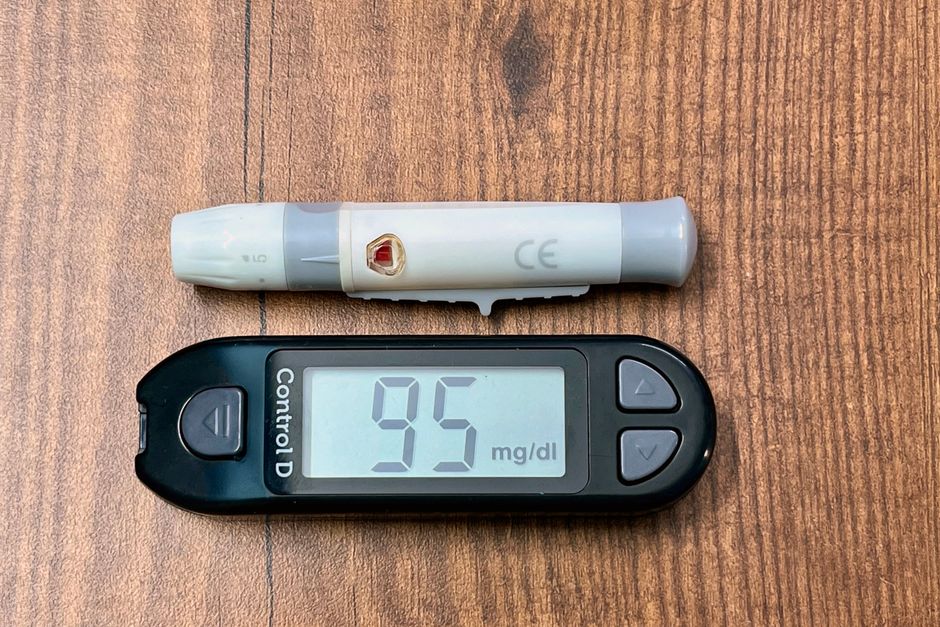
Blood glucose is the main sugar found in your blood, and it comes from the food you eat. Your body uses it for energy, but keeping it in a healthy range matters for your long-term health. For most healthy adults, a normal fasting blood glucose level is between 70 and 99 mg/dL. A reading of 100 to 125 mg/dL is considered prediabetes, and 126 mg/dL or higher on two separate tests indicates diabetes. These numbers are the standard clinical benchmarks used by doctors worldwide.
What Is The Normal Range For Blood Glucose?
The normal range depends on when you last ate. Doctors use three main measurements to check your blood sugar: fasting glucose, random glucose, and the A1C test.
Fasting blood glucose measures your sugar after you have not eaten for at least 8 hours. The normal range is 70 to 99 mg/dL. This is the most common screening test for diabetes.
Here is the standard breakdown doctors use:
- Normal: 70–99 mg/dL
- Prediabetes: 100–125 mg/dL
- Diabetes: 126 mg/dL or higher on two separate tests
Random blood glucose tests do not require fasting. A random reading of 200 mg/dL or higher, combined with symptoms like frequent urination or extreme thirst, also suggests diabetes.
The A1C test gives a different picture. It measures your average blood sugar over the past 2 to 3 months. A normal A1C is below 5.7 percent. Prediabetes ranges from 5.7 to 6.4 percent. Diabetes is diagnosed at 6.5 percent or higher.
How Does Blood Glucose Change Throughout the Day?
Your blood sugar is not a fixed number. It rises after meals and falls as your body uses the energy. These fluctuations are normal and expected.
After you eat, your blood sugar typically peaks within 1 to 2 hours. In a person without diabetes, that peak usually stays below 140 mg/dL. By 2 to 3 hours after a meal, levels return to near the fasting range.
Several factors influence these daily changes. What you eat matters — carbohydrates raise blood sugar more than proteins or fats. Physical activity lowers it because muscles use glucose for fuel. Stress hormones can raise it. Even sleep quality affects how your body processes sugar.
This is why doctors rarely diagnose diabetes from a single high reading. They look for patterns over time. A single reading above the normal range does not automatically mean you have diabetes.
What Happens When Blood Glucose Is Too High?
Consistently high blood sugar damages blood vessels and nerves over time. This damage does not happen overnight. It develops over years of elevated levels.
High blood sugar causes the classic symptoms of diabetes: increased thirst, frequent urination, fatigue, and blurred vision. Some people notice these symptoms early. Others have no symptoms at all until blood sugar has been high for a long time.
Long-term complications include heart disease, kidney damage, nerve damage, and eye problems. The risk of these complications rises as blood sugar stays above the normal range. Keeping blood sugar in a healthy range significantly reduces these risks.
Very high blood sugar can cause a dangerous condition called diabetic ketoacidosis, mainly in people with type 1 diabetes. This requires emergency medical treatment. Symptoms include nausea, vomiting, abdominal pain, and confusion.





What Happens When Blood Glucose Is Too Low?
Low blood sugar, called hypoglycemia, is generally defined as a reading below 70 mg/dL. This can happen in people with diabetes who take insulin or certain medications. It is less common in people without diabetes.
Symptoms of low blood sugar include shakiness, sweating, confusion, irritability, and a rapid heartbeat. Severe hypoglycemia can cause seizures or loss of consciousness.
For people without diabetes, reactive hypoglycemia can occur a few hours after eating. This happens when the body produces too much insulin in response to a meal. The blood sugar drops too low as a result. This condition is relatively uncommon and requires a doctor’s evaluation to diagnose properly.
How Do Doctors Test Blood Glucose?
Doctors use several methods to measure blood glucose, and each serves a different purpose.
Finger-prick tests give immediate results. People with diabetes use these daily to monitor their levels. The test uses a small drop of blood placed on a test strip.
Lab blood draws measure venous blood and are more precise. These are used for diagnostic purposes. The fasting plasma glucose test requires an 8-hour fast beforehand.
A1C tests do not require fasting. They measure the percentage of hemoglobin that has glucose attached to it. Since red blood cells live about 3 months, this test reflects average blood sugar over that period.
Continuous glucose monitors are small sensors worn on the skin. They measure glucose in the fluid between cells every few minutes. These devices are increasingly used by people with diabetes and some people with prediabetes.
What Factors Can Affect Your Blood Glucose Readings?
Many everyday factors can push your blood sugar outside the normal range temporarily. Knowing these can help you interpret your numbers accurately.
Food is the biggest factor. Carbohydrates break down into glucose quickly. Sugary drinks and refined grains cause the fastest rises. Fiber, protein, and fat slow digestion and moderate blood sugar spikes.
Physical activity lowers blood sugar for hours after exercise. This effect is beneficial but can cause unexpected low readings in people taking diabetes medication. Your muscles continue using glucose for recovery even after you finish exercising.
Illness and infection raise blood sugar. Your body releases stress hormones that increase glucose production. This is why blood sugar readings can be higher when you are sick.
Medications affect blood sugar too. Steroids like prednisone raise it. Some blood pressure medications and certain diuretics can also affect glucose levels. Always tell your doctor about all medications you take when reviewing blood sugar results.
Stress and poor sleep both raise blood sugar. Cortisol and adrenaline signal your liver to release stored glucose. Chronic stress and sleep deprivation are linked to higher average blood sugar over time.
When Should You Get Your Blood Glucose Tested?
Adults should be screened for diabetes starting at age 35, according to current clinical guidance. Screening should happen earlier if you have risk factors.
Risk factors include being overweight, having a parent or sibling with diabetes, having high blood pressure, or having a history of gestational diabetes. People from certain ethnic backgrounds, including African American, Hispanic, Native American, and Asian American populations, also have higher risk.
If your first test is normal, repeat it every 3 years. If you have prediabetes, your doctor may recommend testing every year. Early detection matters because lifestyle changes can often reverse prediabetes before it progresses to diabetes.
Frequently Asked Questions
What is a dangerous blood sugar level?
A fasting level of 126 mg/dL or higher indicates diabetes, and levels above 180 mg/dL after meals are considered elevated. Levels below 70 mg/dL are classified as hypoglycemia and require attention.
Is 100 mg/dL blood sugar normal?
A fasting reading of 100 mg/dL is at the lower edge of the prediabetes range. This result warrants a conversation with your doctor about lifestyle changes to prevent progression.
How long after eating should I check my blood sugar?
Blood sugar typically peaks 1 to 2 hours after a meal. For people with diabetes monitoring their levels, testing at the 2-hour mark is the standard clinical practice.
Can drinking water lower blood sugar?
Staying hydrated helps your kidneys flush excess sugar through urine, but water does not directly lower blood glucose. It is a helpful habit but not a substitute for medical treatment.
