
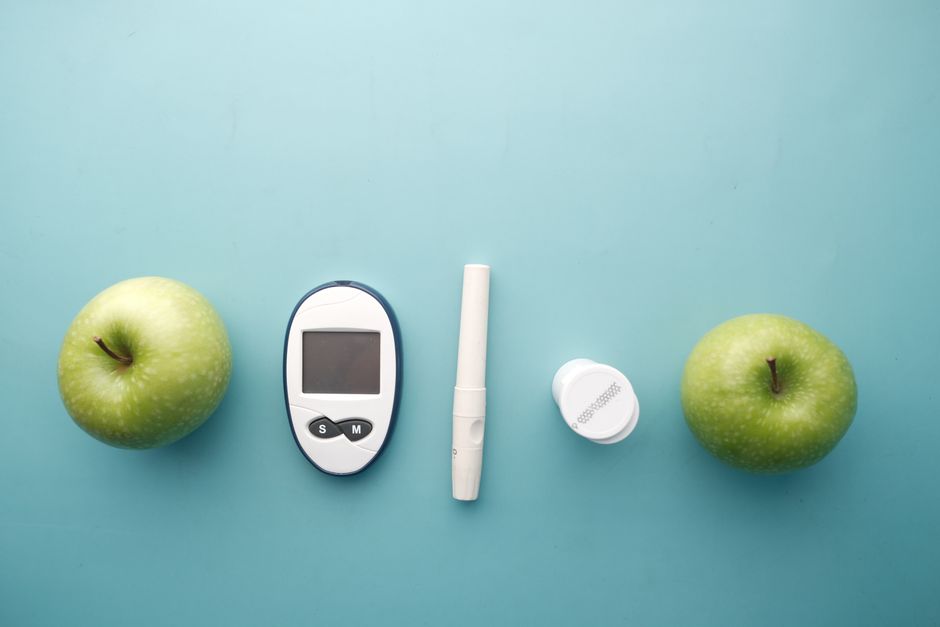
High blood glucose affects millions of Americans, and the good news is that daily habits have a direct impact on your numbers. Lowering blood sugar involves a combination of what you eat, when you move, and how you manage stress and sleep. The most effective approach is consistent: choose foods that digest slowly, stay active after meals, and work with your doctor to adjust medications if needed. Here is a practical, evidence-based guide to reducing glucose levels in your blood.
What Causes Blood Sugar To Rise?
Blood sugar rises when carbohydrates are broken down into glucose and enter your bloodstream. Your pancreas releases insulin, a hormone that signals cells to absorb that glucose for energy. When this system works well, blood sugar returns to a normal range within a couple of hours.
Problems occur when cells become resistant to insulin’s signal, or when the pancreas cannot produce enough insulin. This is the hallmark of type 2 diabetes and prediabetes. Over time, consistently high blood sugar can damage blood vessels, nerves, and organs. The goal is not to eliminate glucose — your brain and muscles need it — but to keep it from staying elevated for long periods.
How To Decrease Glucose In Blood With Food Choices
What you eat is the single biggest lever you control for blood sugar management. The goal is to slow down digestion so glucose enters the bloodstream gradually rather than all at once.
Prioritize fiber-rich foods like vegetables, legumes, and whole grains. Fiber slows carbohydrate absorption. A meal of white rice and chicken will spike glucose faster than the same meal with a side of broccoli and lentils. This is not about eliminating carbs — it is about choosing carbs that come packaged with fiber.
Protein and fat also slow digestion. Including eggs, fish, poultry, nuts, or olive oil in a meal reduces the speed at which glucose appears in the blood. A common pattern: a breakfast of sugary cereal causes a rapid rise and fall, while eggs and whole-grain toast produce a slower, steadier response.
Order matters too. Some research suggests that eating vegetables and protein before the carbohydrate part of a meal can blunt the post-meal glucose rise. This is a simple strategy with no downside: eat the salad first, then the main dish.
Vinegar has also shown modest benefits. A small amount of vinegar — such as in a salad dressing — taken before or with a meal may slightly reduce the glucose response. The effect is real but modest, and it does not replace other dietary changes.
Physical Activity Lowers Blood Sugar Directly
Exercise works immediately. When muscles contract, they can take up glucose from the blood without needing insulin. This is why a 15-minute walk after a meal can lower the post-meal glucose spike.
The most effective pattern for glucose control combines two types of activity:
- Aerobic exercise like brisk walking, cycling, or swimming improves insulin sensitivity over time.
- Resistance training like weight lifting or bodyweight exercises builds muscle, which acts as a glucose sink. More muscle means more capacity to absorb glucose.
For immediate reduction, any movement helps. If you cannot do a full workout, stand up and walk for 10 minutes. Breaking up long periods of sitting has been shown to lower both fasting glucose and post-meal glucose. The key is consistency — sporadic intense workouts help, but daily movement is more powerful.
If you take insulin or certain diabetes medications, check with your doctor about exercise timing. Physical activity can cause low blood sugar in some people, especially if you exercise on an empty stomach after taking medication.


Hydration and Its Effect on Glucose
Dehydration concentrates the blood, which makes glucose levels appear higher. Drinking enough water helps your kidneys flush excess glucose through urine. This is not a cure, but it is a real factor.
Water is the best choice. Unsweetened tea and coffee are also fine — some research even suggests regular coffee intake is associated with a lower risk of type 2 diabetes. Sugar-sweetened beverages are the opposite: they deliver a large dose of rapidly absorbed glucose with no fiber to slow it down. Replacing soda with water is one of the fastest ways to see improvement in blood sugar numbers.
There is no magic amount of water that lowers glucose. The general recommendation of about 8 cups a day for adults is reasonable, but your needs depend on body size, activity level, and climate. Drink when thirsty, and drink more when active or in heat.
Sleep and Stress: The Overlooked Factors
Blood sugar is not only about food and exercise. Hormones control glucose, and two hormones — cortisol and adrenaline — raise blood sugar. They do this to give you energy for a perceived threat. The problem is that chronic stress keeps these hormones elevated, which keeps blood sugar higher than it should be.
Sleep deprivation has the same effect. Poor sleep increases cortisol and reduces insulin sensitivity. One night of short sleep can noticeably worsen glucose tolerance the next day. Over time, chronic sleep deprivation is linked to higher fasting glucose and a greater risk of developing type 2 diabetes.
Practical steps: aim for 7 to 9 hours of sleep per night. Address stress through whatever works for you — walking, breathing exercises, talking with friends, or hobbies. The evidence for specific stress-reduction techniques lowering glucose is mixed, but the indirect pathway is clear: less stress and better sleep improve the hormonal environment.
Medication and Medical Supervision
Lifestyle changes are powerful, but they are not always enough. Many people need medication to bring glucose into a healthy range. Metformin is the most common first-line drug for type 2 diabetes — it reduces glucose production in the liver and improves insulin sensitivity. Other medications work through different mechanisms, and insulin is necessary for some people.
If your fasting glucose is above 100 mg/dL, or your A1C is above 5.7%, talk to your doctor. These numbers indicate prediabetes or diabetes, and early intervention matters. Do not stop or adjust medications on your own. Blood sugar that swings too low is dangerous, and some medications require careful titration.
Monitoring matters. A home glucose meter shows you how specific foods and activities affect your body. Testing two hours after a meal gives you direct feedback. Over time, this data helps you and your doctor make better decisions.
Foods That Help and Foods That Hurt
Some foods consistently help with glucose control. Others consistently hurt. Here is a straightforward comparison:
| Help Lower Glucose | Raise Glucose Quickly |
|---|---|
| Non-starchy vegetables (broccoli, spinach, peppers) | Sugary drinks (soda, sweet tea, juice) |
| Legumes (lentils, chickpeas, black beans) | White bread, white rice, refined pasta |
| Whole grains (oats, quinoa, barley) | Pastries, cookies, cakes |
| Nuts and seeds | Breakfast cereals with added sugar |
| Fish and poultry | Flavored yogurts with fruit syrup |
| Olive oil and avocado | French fries and fried foods |
The pattern is not about eliminating entire food groups. It is about replacing refined, quickly digested carbohydrates with fiber-rich, nutrient-dense alternatives. A baked potato raises glucose more than a sweet potato or boiled potatoes that have cooled. Cooling cooked potatoes and rice forms resistant starch, which digests more slowly.
How Quickly Can You Lower Blood Sugar?
Some changes work within hours. Exercise lowers glucose during and immediately after activity. A low-carb meal produces a smaller glucose rise within 30 to 60 minutes. These are short-term effects.
Fasting glucose — the number you see in the morning — reflects longer-term patterns. It may take days or weeks of consistent changes to see your fasting numbers move. A1C, which measures average glucose over about three months, changes even more slowly. Do not expect overnight transformation. Expect steady progress over weeks.
If your blood sugar is very high — above 250 mg/dL with symptoms like excessive thirst, frequent urination, or fatigue — seek medical advice promptly. Very high glucose can lead to a serious condition called diabetic ketoacidosis, especially in type 1 diabetes. This is an emergency.
When To See a Doctor
See a doctor if you have symptoms of high blood sugar: increased thirst, frequent urination, blurred vision, fatigue, or unexplained weight loss. Also see a doctor if you have risk factors for diabetes — being over 45, having a family history, being overweight, or having high blood pressure.
Routine screening is recommended for most adults starting at age 35. If you have prediabetes, lifestyle changes can prevent or delay progression to type 2 diabetes. Studies have consistently shown that modest weight loss — around 5% to 7% of body weight — combined with regular exercise reduces diabetes risk significantly.
Your doctor can order a fasting glucose test, an A1C test, or an oral glucose tolerance test. These are simple blood tests that give you a clear picture of where you stand.
Frequently Asked Questions
What is the fastest way to lower blood sugar?
Physical activity is the fastest natural method — walking for 15 minutes after a meal directly reduces the glucose spike. Drinking water and avoiding sugary foods also help within hours.
Can drinking water lower blood sugar?
Water helps your kidneys remove excess glucose through urine and prevents dehydration-related concentration of blood. It supports glucose control but does not replace diet and exercise changes.
How long does it take for blood sugar to go down after eating?
In a healthy response, blood sugar peaks about 60 to 90 minutes after a meal and returns to baseline within 2 to 3 hours. In people with diabetes, this process takes longer and depends on food choices and medication.
What foods lower blood sugar immediately?
No food lowers blood sugar on its own — foods either raise it slowly or quickly. Fiber-rich vegetables, protein, and healthy fats slow the rise, while exercise is the only direct way to lower glucose quickly.
