
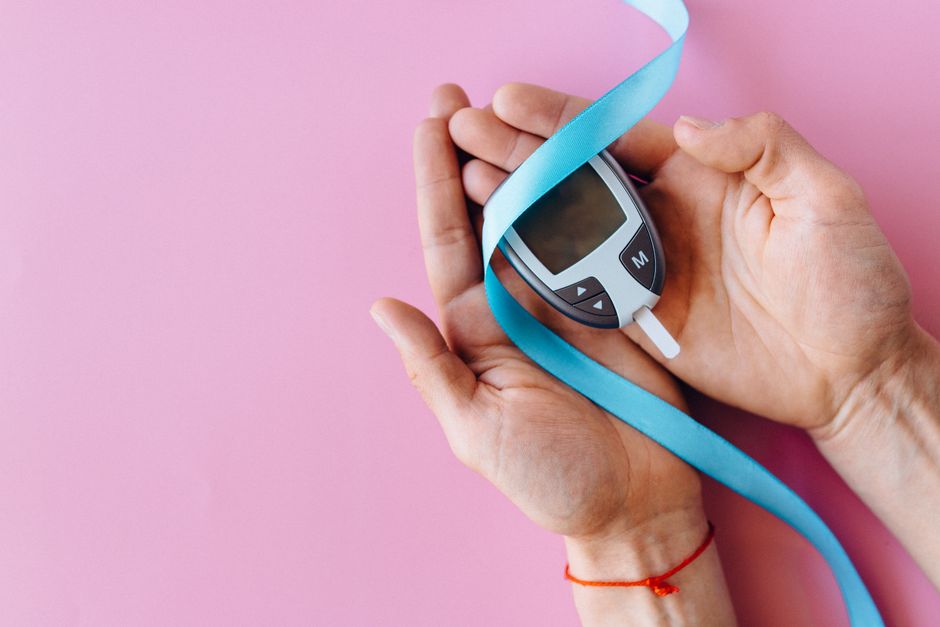
Low blood sugar, or hypoglycemia, is not just about feeling hungry or a bit tired. It is a medical condition defined by specific numbers and physical signs. For most people, a blood glucose level below 70 mg/dL is considered too low. When your level drops below that threshold, your body and brain are not getting the fuel they need to function properly, and it requires immediate attention. Left untreated, severe hypoglycemia can lead to confusion, seizures, or loss of consciousness.
What Glucose Level Is Too Low Signs Treatment?
The medical definition of hypoglycemia is a blood sugar level below 70 mg/dL. This is the standard threshold used by major clinical guidelines, regardless of whether you have diabetes. However, the symptoms you feel and how quickly you need to act can depend on your individual health history. For someone without diabetes, a level of 70 mg/dL or lower is also considered low, but the cause and treatment plan will differ from someone managing diabetes.
Treatment follows the “15-15 rule” for mild to moderate hypoglycemia. You consume 15 grams of fast-acting carbohydrates, wait 15 minutes, and recheck your blood sugar. If it is still below 70 mg/dL, repeat the process. Once your level returns to normal, eat a small snack that includes protein or complex carbohydrates to keep it stable.
What Are the First Signs of Low Blood Sugar?
Symptoms of hypoglycemia usually appear quickly and can vary from person to person. Early signs are your body’s warning system, triggered by the release of hormones like epinephrine. These hormones are part of your body’s emergency response to raise blood sugar.
Common early symptoms include:
- Shakiness or tremors
- Sweating, even when you are not hot
- Rapid heartbeat or palpitations
- Sudden intense hunger
- Anxiety or irritability
- Pale skin
If you notice these signs, check your blood sugar immediately if you have a monitor. If you do not have one and you are not diabetic, eating a fast-acting carbohydrate is still the safest first step if you feel these symptoms.
What Happens When Blood Sugar Drops Dangerously Low?
When blood sugar continues to fall below 54 mg/dL, the brain is significantly affected. This is called severe hypoglycemia. The brain relies almost exclusively on glucose for energy, so when levels drop this low, cognitive function declines rapidly.
Symptoms of neuroglycopenia, or brain-related low blood sugar, include:
- Confusion or difficulty concentrating
- Slurred speech
- Blurred vision
- Dizziness or weakness
- Clumsiness or difficulty walking
- Seizures
- Loss of consciousness
At this stage, the person may not be able to treat themselves. They need help from someone else. If the person is unconscious, having a seizure, or unable to swallow, do not give them food or drink. This is a medical emergency requiring immediate intervention. Call emergency services and, if available and you are trained, administer glucagon.



What Causes Blood Sugar to Drop Too Low?
The most common cause of hypoglycemia is diabetes medication. Insulin and sulfonylurea drugs are the primary culprits because they actively lower blood glucose. Taking too much medication, eating less than usual, or exercising more than planned can all cause levels to drop.
For people without diabetes, hypoglycemia is less common but still possible. Causes include:
- Prolonged fasting or severe malnutrition
- Drinking alcohol without eating, which blocks the liver’s ability to release stored glucose
- Critical illnesses affecting the liver, kidneys, or heart
- Hormone deficiencies, such as cortisol or growth hormone
- Insulinoma, a rare tumor of the pancreas that produces excess insulin
Reactive hypoglycemia is another type that occurs two to four hours after a meal. The exact mechanism is not fully understood, but it involves an exaggerated insulin response to a high-carbohydrate meal. This is a diagnosis of exclusion, meaning other causes are ruled out first.
How to Treat Low Blood Sugar Quickly
If you have symptoms and your blood sugar is below 70 mg/dL, act immediately. The fastest way to raise blood sugar is with simple carbohydrates that are absorbed quickly. The standard recommendation is 15 grams of fast-acting carbohydrate.
Examples of 15 grams of fast-acting carbs include:
- 4 glucose tablets (check the label for exact dosage)
- 1 tube of glucose gel (usually 15 grams)
- 1/2 cup (4 ounces) of regular fruit juice or regular soda
- 1 tablespoon of sugar, honey, or corn syrup
- Hard candies, enough to equal 15 grams of carbs (check the label)
After consuming 15 grams, wait 15 minutes and check your blood sugar again. If it is still below 70 mg/dL, repeat the process. Once your blood sugar is back to normal, eat a meal or snack containing protein and complex carbohydrates to prevent another drop. This is important because fast-acting carbs wear off quickly.
What Is the 15-15 Rule and When Does It Stop Applying?
The 15-15 rule is the standard first-line treatment for hypoglycemia in a person who is awake and able to swallow safely. It is simple, effective, and widely taught in diabetes education programs. The rule stops applying when the person becomes unconscious, has a seizure, or is too confused to swallow safely.
In those situations, oral treatment is dangerous because the person could choke or inhale food or liquid into their lungs. The correct response is to administer glucagon if it is available. Glucagon is a prescription medication that raises blood sugar by signaling the liver to release stored glucose. It can be given as an injection or a nasal powder.
After glucagon is administered, the person should be turned on their side and monitored until emergency services arrive. Glucagon can cause nausea and vomiting, so positioning matters. Even if the person wakes up, they should be evaluated by a medical professional because the underlying cause of the severe low needs to be addressed.
What Is Hypoglycemia Unawareness?
Some people, particularly those with long-standing diabetes, lose the ability to feel the early warning signs of low blood sugar. This condition is called hypoglycemia unawareness. The body stops releasing epinephrine effectively, or the person no longer notices the symptoms even when the hormone is released.
This is dangerous because the first sign of a low may be confusion or unconsciousness. People with hypoglycemia unawareness often need to check their blood sugar more frequently, especially before driving or operating machinery. Some clinicians recommend a short period of strict avoidance of hypoglycemia to retrain the body’s warning system. This approach has shown promise in some studies, but it requires close supervision and is not a quick fix.
When Is Low Blood Sugar an Emergency?
Low blood sugar becomes an emergency when the person cannot treat it themselves. Signs that you need emergency medical help include:
- Unconsciousness or inability to wake up
- Seizures
- Inability to swallow
- Extreme confusion or disorientation
- Behavior changes that are unusual for the person
If any of these are present, call emergency services immediately. While waiting, do not put anything in the person’s mouth. If you have glucagon and know how to use it, administer it. If the person is awake but severely confused, do not try to force them to eat or drink. This can lead to choking.
After any episode of severe hypoglycemia, a medical evaluation is necessary. The event itself is dangerous, and the cause must be identified to prevent recurrence. For people on insulin or sulfonylureas, medication doses may need adjustment. For people without diabetes, a full workup is needed to find the underlying cause.
Frequently Asked Questions
What is a dangerously low blood sugar level?
A blood sugar level below 54 mg/dL is considered severely low and can cause confusion, seizures, or unconsciousness. This is a medical emergency that requires immediate treatment.
Can you have low blood sugar without diabetes?
Yes, it is possible. Causes include certain medications, alcohol consumption without food, critical illness, hormone deficiencies, or a rare pancreatic tumor.
How fast does sugar need to be consumed for low blood sugar?
Fast-acting carbohydrates should be consumed immediately once symptoms appear or a glucose reading below 70 mg/dL is confirmed. The 15-15 rule recommends 15 grams of fast carbs, a 15-minute wait, and a recheck.
What should you do if someone is unconscious from low blood sugar?
Call emergency services immediately and do not give them food or drink. Administer glucagon if it is available and you are trained to use it.
