
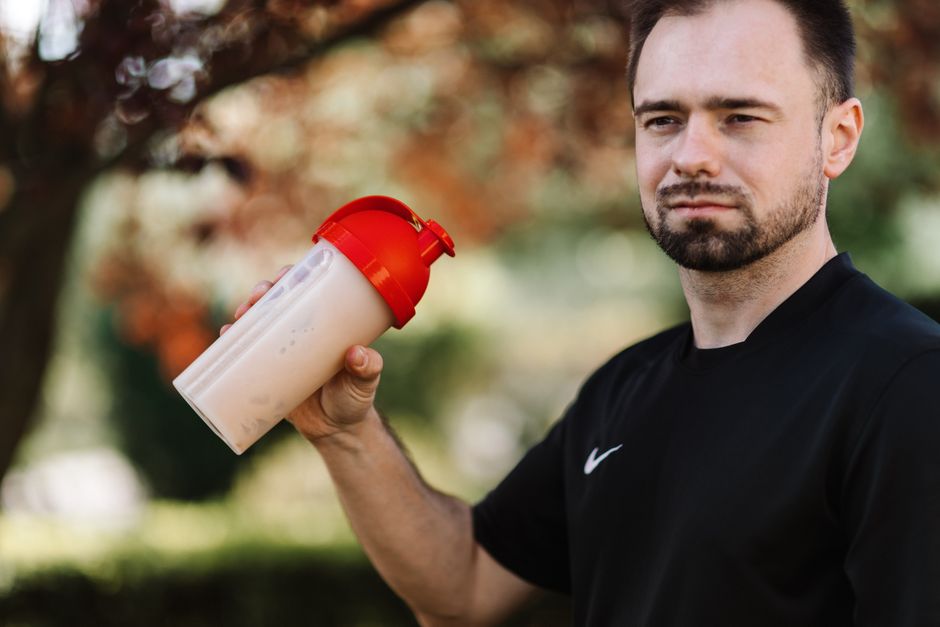
A protein powder is only as good as what is actually in the tub — and the label does not always tell the whole story. Before you buy, check the protein source and amount per serving, look for third-party testing seals, and scan for added sugars, heavy metals risk, and fillers. The best choice depends on your goal, your digestion, and your budget, not on which brand has the loudest marketing.
What To Look For In A Protein Powder Before You Buy
The single most useful thing you can do is read the nutrition facts panel and the ingredient list together. They tell you two different things, and both matter.
The nutrition panel gives you the protein content per serving. The ingredient list tells you where that protein comes from and what else rode along with it. A powder can list 30 grams of protein and still contain a long list of sweeteners, gums, and fillers you did not plan on.
Here is a practical checklist to run through before you spend money:
- Protein per serving — how many grams you actually get, not how many the front of the tub implies.
- Protein source — whey, casein, soy, pea, egg, or a blend. Each behaves differently in the body.
- Third-party testing — a seal from an independent lab, not a claim the company makes about itself.
- Added sugar and sweeteners — check both the sugar grams and the sweetener names.
- Calories and fat — relevant if you are managing weight or total intake.
- Allergens — milk, soy, egg, and others are common in protein powders.
- Servings per container — this determines your real cost per gram of protein.
That last point gets overlooked constantly. A tub that costs more but delivers twice the servings can be the cheaper option per gram. Divide the price by the total grams of protein in the container to compare fairly.
Which Type of Protein Powder Is Best?
There is no single best type. There is a best type for a given goal, diet, and digestive system.
Whey protein is the most studied protein supplement. It is a complete protein, meaning it contains all nine essential amino acids your body cannot make on its own. It is digested and absorbed relatively quickly. Whey concentrate contains more fat and lactose than whey isolate, which is filtered further. If lactose bothers you, isolate or a lactose-free option may sit better.
Casein is the other milk protein. It digests more slowly, which is why some people use it before bed. The practical difference between whey and casein for most recreational users is smaller than the marketing suggests.
Plant proteins — pea, soy, rice, and blends — are a solid option for people who avoid dairy. Soy is a complete protein on its own. Pea and rice are each lower in certain amino acids, but blended together they cover the gaps. A plant blend can match dairy protein for building muscle when the total daily protein intake is adequate.
Some research suggests plant proteins may be slightly less effective for muscle protein synthesis gram for gram, but the difference is small and largely disappears when you account for total intake and leucine content. For most people, the best protein powder is the one they will actually use consistently.
Why Third-Party Testing Matters
Protein powders are supplements, not drugs. In the United States, they are regulated as food, and they do not go through the same pre-market approval process that medications do. That means the burden of verifying what is in the tub falls largely on you.
Independent testing programs exist to close that gap. Organizations like NSF International, Informed Sport, and Clean Label Project test supplements for contaminants and, in some cases, for substances banned in sport. A product that carries one of these seals has been checked by someone other than the company selling it.
This matters because some protein powders have been found to contain heavy metals such as lead and cadmium. Plant-based proteins tend to show higher levels in testing, likely because plants take up metals from soil. That does not mean plant proteins are unsafe, but it does mean testing is worth prioritizing. A third-party seal is not a guarantee of purity, but it is a meaningful check.





What About Sugar, Sweeteners, and Fillers?
Many protein powders are sweetened heavily to taste like a milkshake. That is a choice the manufacturer made, not a requirement of the protein.
Check the sugar line on the nutrition panel. Some powders contain several grams of added sugar per scoop. If you use two or three scoops a day, that adds up.
Sugar alcohols like erythritol, sorbitol, and maltitol are common in low-sugar powders. They contain fewer calories than sugar, but they can cause bloating and digestive upset in some people, especially in larger amounts. If a powder gives you gas, a sugar alcohol is a common reason.
Non-caloric sweeteners such as sucralose, stevia, and monk fruit are also widely used. Stevia and monk fruit come from plants. Sucralose is synthetic. All are considered acceptable by major food safety authorities at typical intake levels. If you prefer to avoid any of them, unflavored or naturally sweetened options exist.
Fillers and thickeners — gums, lecithin, and similar ingredients — are generally there for texture. They are not harmful for most people, but they add to the ingredient list without adding protein.
How Much Protein Do You Actually Need?
The general adult recommendation for protein is 0.8 grams per kilogram of body weight per day. That is the amount needed to avoid deficiency, not necessarily the amount needed for muscle building or recovery.
People who exercise regularly, are recovering from illness, or are older adults often need more. A commonly cited range for active adults is roughly 1.2 to 2.0 grams per kilogram of body weight per day, though individual needs vary. Protein powder is one way to reach that total. It is not the only way, and it is not better than food.
Whole food sources — meat, fish, eggs, dairy, beans, and legumes — provide protein along with other nutrients. A powder is convenient and portable. If your diet already meets your protein needs through food, a powder adds calories and cost without adding much else.
For people with kidney disease, high protein intake can be a concern, and protein needs should be discussed with a clinician rather than self-managed.
Does Protein Powder Help You Build Muscle?
Protein powder can support muscle growth, but only as part of a total intake that is adequate and paired with resistance training. The powder itself does not build muscle. Training plus enough total protein does.
Research consistently shows that resistance training combined with sufficient protein intake supports muscle protein synthesis and gains in strength and size. Whether that protein comes from a shaker or a chicken breast makes little difference to the outcome.
Timing matters less than it is often made to seem. The idea of a narrow “anabolic window” right after a workout has been softened by newer research. Total daily protein intake appears to matter more than hitting a precise post-workout minute.
For older adults, adequate protein intake alongside resistance training is especially relevant for preserving muscle mass, which naturally declines with age. This is an area where the evidence is fairly strong.
How to Compare Cost and Value
Price per tub is not the same as price per gram of protein. To compare fairly, divide the total price by the total grams of protein in the container.
Here is a simple way to think about it:
- Find the protein grams per serving.
- Multiply by the number of servings per container to get total protein grams.
- Divide the price by that total.
A larger tub is not always the better value, and a smaller one is not always worse. The math tells you the truth. Also factor in whether you actually like the taste — a powder you dread drinking is a waste of money no matter how cheap it is per gram.
What About Digestive Comfort?
Bloating, gas, and stomach upset are common complaints with protein powders. The cause is usually one of a few things.
Lactose in whey concentrate is a frequent culprit for people who are lactose intolerant. Whey isolate has most of the lactose removed and often causes fewer issues.
Sugar alcohols, as mentioned, can cause gas and loose stools. Some people also react to certain gums or to high doses of protein taken at once.
Starting with a smaller serving and increasing gradually can help your gut adjust. If a powder consistently causes discomfort, switching the type — to isolate, to a plant blend, or to an unflavored option — is a reasonable next step.
Frequently Asked Questions
Is whey protein better than plant protein?
Whey is a complete protein and is well studied, but plant blends can support muscle just as well when total daily protein is adequate. The best choice is the one that fits your diet and does not upset your stomach.
Do I need third-party testing on my protein powder?
It is not required, but it is one of the most reliable ways to know a product has been checked for contaminants and banned substances by someone other than the seller. Given that supplements are not pre-approved like drugs, this check is worth prioritizing.
How much protein powder should I take per day?
There is no single recommended amount, because it depends on how much protein you already get from food. General adult protein needs are about 0.8 grams per kilogram of body weight daily, with higher amounts for active people and older adults.
Can protein powder be harmful?
For most healthy adults, protein powder is not harmful when used as part of a normal diet. Concerns include heavy metal contamination in some products, digestive upset from certain ingredients, and high intake for people with kidney disease, who should talk to a clinician first.
