

Many people wonder if protein powder is lactose-free. The short answer is no—it depends on the type. Whey protein concentrate contains significant lactose, while whey protein isolate and plant-based powders are typically very low or completely free of lactose. If you have lactose intolerance or sensitivity, you need to read labels carefully.
What Is Lactose and Why Does It Matter in Protein Powder?
Lactose is the natural sugar found in milk and dairy products. It is made of two smaller sugars: glucose and galactose. Your small intestine produces an enzyme called lactase to break lactose down. Without enough lactase, undigested lactose travels to the colon, where bacteria ferment it. This causes gas, bloating, cramping, and diarrhea.
Protein powders that come from milk—like whey and casein—contain lactose. The amount varies depending on how the protein is processed. For someone with lactose intolerance, even small amounts can cause discomfort. For others, it is not a problem.
Is Protein Powder Lactose Free The Real Answer? Key Facts
The real answer is that not all protein powders are lactose-free. Here are the key facts. Whey protein concentrate (WPC) contains anywhere from 2 to 6 grams of lactose per serving. Whey protein isolate (WPI) has less than 1 gram per serving—often labeled as lactose-free. Casein protein, also from milk, contains around 1 to 2 grams of lactose per serving. Plant-based protein powders—pea, rice, soy, hemp—are naturally free of lactose. The only way to know for sure is to check the nutrition label and look for “lactose-free” claims or ingredient lists.
Whey Concentrate vs Whey Isolate: Lactose Differences
Whey protein concentrate is the most common and least expensive form. It retains more of the milk components, including lactose. A typical 30-gram scoop of whey concentrate may contain 3 to 6 grams of lactose. For many people with mild lactose intolerance, this is enough to cause symptoms.
Whey protein isolate goes through additional processing to remove more fat and lactose. It contains less than 1 gram of lactose per serving. Some brands are filtered further to reduce lactose to undetectable levels. If you have lactose intolerance, whey isolate is often well tolerated, but it is not guaranteed to be symptom-free for everyone. Some people still react to trace amounts.
Casein protein, another dairy-based powder, has moderate lactose—usually 1 to 2 grams per serving. It digests more slowly than whey, which can sometimes reduce symptoms, but the lactose is still present.
| Protein Powder Type | Approximate Lactose Per Serving | Notes |
|---|---|---|
| Whey Concentrate | 3–6 grams | Common in budget powders; often causes symptoms in lactose intolerant people |
| Whey Isolate | <1 gram | Often labeled as lactose-free; better tolerated |
| Casein | 1–2 grams | Moderate lactose; some people tolerate it better because of slow digestion |
| Plant-Based (pea, rice, soy, hemp) | 0 grams | Naturally lactose-free; suitable for vegans and those with lactose intolerance |




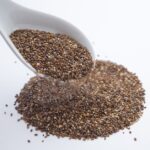
Plant-Based Protein Powders: Naturally Lactose-Free
Plant-based protein powders come from sources like peas, brown rice, soy, and hemp. They contain no milk ingredients, so they are naturally free of lactose. This makes them a reliable choice for anyone with lactose intolerance or a dairy allergy.
Some plant-based blends now match the protein content and amino acid profile of whey. Pea protein, for example, is rich in lysine but lower in methionine. Rice protein is the opposite. Many blends combine pea and rice to provide a complete protein profile. Taste and texture vary by brand, but modern processing has improved significantly.
How to Check if Your Protein Powder Has Lactose
Reading the label is the only way to be certain. Look for the word “lactose” in the ingredient list. Also check for milk, whey, casein, or dairy. These all signal the presence of lactose.
Many manufacturers voluntarily state “lactose-free” on the front of the package. Others include a “contains milk” allergen warning even if the final product has very little lactose. If the label does not list ingredients or you are unsure, contact the company directly. A quick phone call or email can give you a clear answer.
Some brands sell “lactose-free” whey isolate that has been treated with lactase enzyme to break down any remaining lactose. These products are safe for most people with lactose intolerance, but they can still contain trace amounts.
What About Casein Protein and Lactose?
Casein is the other main protein in milk. It makes up about 80% of milk protein. Casein protein powders contain lactose, though usually less than whey concentrate. A typical casein powder has 1 to 2 grams of lactose per serving.
Some people with lactose intolerance find casein easier to digest than whey. The reason is likely its slow digestion rate. Because casein clots in the stomach and releases amino acids slowly, the lactose is also released gradually. This can reduce the sudden onset of symptoms. However, it still contains lactose and can cause problems for those with severe intolerance.
If you are very sensitive to lactose, casein is not a safe choice. Stick with plant-based or lactose-free whey isolate.
Can You Be Lactose Intolerant and Still Use Whey Protein?
Yes, many people with lactose intolerance can use whey protein isolate without symptoms. The amount of lactose in whey isolate is often below the threshold that triggers discomfort. For most people with lactose intolerance, the threshold is around 12 grams of lactose spread throughout the day. A single serving of whey isolate provides less than 1 gram.
Some people find that taking a lactase enzyme supplement along with whey protein helps. Others gradually increase their tolerance by starting with small amounts. If you try whey isolate, begin with half a serving and see how you feel. If symptoms appear, switch to a plant-based powder.
Whey concentrate is not recommended for anyone with lactose intolerance. The lactose content is high enough to cause symptoms in most people.
What About “Lactose-Free” Dairy Protein Powders?
Some brands now sell whey or casein protein that is specifically labeled as lactose-free. These products are made by treating the milk with lactase enzyme before processing. The lactose is broken down into simpler sugars that are easier to digest.
These powders are safe for most people with lactose intolerance. However, they are not completely lactose-free. Trace amounts can remain. People with a rare condition called galactosemia cannot use them at all. For the average lactose intolerant person, they are a good option if you want dairy protein without symptoms.
One downside: these powders often taste slightly sweeter because the broken-down sugars (glucose and galactose) taste sweeter than lactose. If you prefer unsweetened protein, plant-based powders may be a better choice.
Can Lactose in Protein Powder Cause Other Health Issues?
For people who are lactose tolerant, the lactose in protein powder is not a health concern. It is a normal sugar found in milk and is safe to consume.
For those with lactose intolerance, the symptoms are uncomfortable but not dangerous. Gas, bloating, and diarrhea will resolve once the lactose passes through. No long-term damage occurs. If you have severe lactose intolerance, you may also experience nausea and abdominal pain. In these cases, avoiding lactose entirely is best.
Some people have a milk allergy, which is different from lactose intolerance. A milk allergy involves the immune system and can cause hives, swelling, or anaphylaxis. If you have a milk allergy, you must avoid all dairy-based protein powders, including those labeled lactose-free. Plant-based powders are the only safe option.
Frequently Asked Questions
Is whey protein isolate truly lactose-free?
Whey isolate contains less than 1 gram of lactose per serving. Most people with lactose intolerance can tolerate this amount without symptoms.
Which protein powder has the least lactose?
Plant-based protein powders have zero lactose. Whey isolate and lactose-treated dairy powders also have minimal lactose.
Can I use protein powder if I am lactose intolerant?
Yes. Choose whey isolate, plant-based, or lactose-free dairy powders. Start with a small serving to see how your body responds.
Does cooking with protein powder reduce the lactose?
No. Lactose is heat-stable and does not break down during cooking. The amount of lactose remains the same.
