
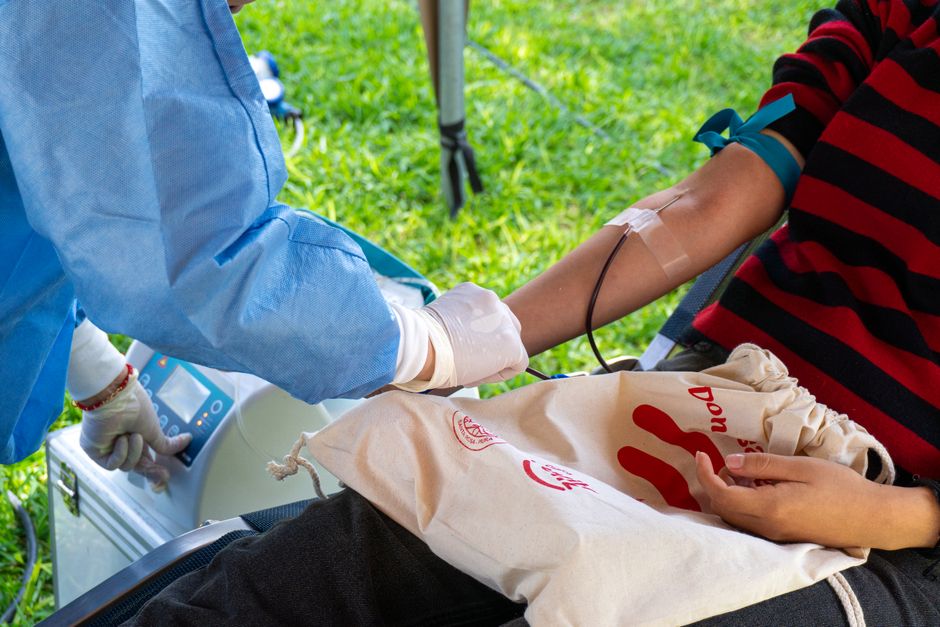
Donating plasma is a meaningful way to help others, but it takes a toll on your body. What you eat in the 24 hours before your appointment directly affects how you feel during the donation and how quickly you recover afterward. The short answer: eat a balanced meal rich in protein and iron about two to three hours before you donate, drink plenty of water, and avoid fatty foods. Your body needs the right fuel to replace the plasma proteins and iron you will lose, and the right preparation makes the process smoother and safer for you.
Why Protein and Iron Matter Before Plasma Donation
Plasma is the liquid part of your blood. It carries proteins, nutrients, hormones, and waste products throughout your body. When you donate plasma, you lose a significant amount of these proteins, especially albumin and immunoglobulins. Your body needs amino acids from dietary protein to rebuild them.
Iron is a different story. Plasma itself contains very little iron. However, the donation process also removes some red blood cells, though far fewer than a whole blood donation. If your iron stores are already low, that small loss can push you into deficiency. Eating iron-rich foods before donating helps keep your stores topped up.
Research consistently shows that protein intake before donation helps your body recover faster. Studies have found that donors who eat a protein-rich meal before donating report fewer side effects like dizziness and fatigue. The evidence for iron is more about maintaining your baseline than boosting it in one meal, but it still matters.
Best Protein Sources to Eat Before Donating
Your body needs complete proteins, which contain all nine essential amino acids. Animal sources provide these easily. Good options include lean chicken, turkey, fish, eggs, and low-fat dairy like Greek yogurt or cottage cheese.
Plant-based proteins work too, but you need to combine them thoughtfully. Beans, lentils, tofu, and quinoa are solid choices. Quinoa is unusual because it is a plant food that contains all essential amino acids on its own. If you eat a plant-based diet, aim for a variety of protein sources throughout the day rather than relying on one.
A good pre-donation meal might look like grilled chicken with rice and steamed vegetables, or scrambled eggs with whole grain toast. The goal is a moderate portion, not a huge feast. Eating too much can make you feel sluggish or nauseous during the procedure.
Some research suggests that consuming protein within a few hours before donation is more effective than eating it the day before. Your body uses the amino acids from your most recent meal to start rebuilding plasma proteins immediately.
Iron-Rich Foods That Help Maintain Your Stores
There are two types of dietary iron: heme and non-heme. Heme iron comes from animal sources and is absorbed much more easily by your body. Non-heme iron comes from plants and is absorbed less efficiently.
Heme iron sources include red meat, poultry, fish, and organ meats like liver. A serving of lean beef or dark meat turkey before your donation is a smart choice. Non-heme iron sources include spinach, kale, lentils, beans, fortified cereals, and tofu.
Your body absorbs non-heme iron better when you eat it with vitamin C. Having a glass of orange juice, some strawberries, or bell peppers with your iron-rich meal can meaningfully improve absorption. This is a well-established finding in nutrition science.
Calcium interferes with iron absorption. If you are eating an iron-rich meal, avoid washing it down with milk or taking a calcium supplement at the same time. Wait a couple of hours instead. This is particularly relevant if you plan to have yogurt or cheese as your protein source.



Foods to Avoid Before Plasma Donation
Fatty foods are the biggest problem before donating plasma. High-fat meals can make your plasma appear milky or cloudy. Donation centers may reject plasma that looks like this because it can interfere with testing and processing. Fried foods, heavy sauces, and fatty cuts of meat are best avoided for at least 24 hours before your appointment.
Alcohol is another clear no. It dehydrates you and can affect your blood pressure and heart rate during donation. Most donation centers ask you to avoid alcohol for at least 24 hours beforehand. Follow that guidance.
Caffeine is not strictly forbidden, but it can increase your heart rate and make you feel jittery. If you normally drink coffee, a small amount is fine. Just make sure you are also drinking plenty of water. Dehydration is one of the most common reasons people feel faint during donation.
Sugary foods and refined carbohydrates can cause a blood sugar spike followed by a crash. That crash can hit while you are in the donation chair. If you want something sweet, pair it with protein and fat to slow absorption.
Hydration: The Overlooked Key to a Smooth Donation
Plasma is about 90 percent water. If you arrive dehydrated, your body has less fluid to spare, and the donation process can feel much harder. Your veins may be harder to find, and you are more likely to feel lightheaded.
Drink plenty of water in the 24 hours before your appointment. A good target is about 16 to 24 ounces in the two to three hours before you arrive. Do not chug it all at once right before your appointment, as this can make you feel uncomfortably full and lead to frequent bathroom breaks.
Electrolyte drinks can help, especially if you sweat a lot or exercise regularly. They replace sodium and potassium that support normal fluid balance. Water alone is usually sufficient for most people, but electrolyte drinks are not harmful and can be useful if you are prone to feeling faint.
Urine color is a simple way to check your hydration status. Pale yellow or clear means you are well hydrated. Dark yellow means you need more fluids before your appointment.
What To Eat Before Donating Plasma Protein Iron More: A Sample Timeline
Planning your meals around your donation time helps ensure your body has what it needs. The exact timing matters less than the overall pattern, but a general guide can help.
If your appointment is in the morning, eat a solid breakfast about two hours before. Scrambled eggs with spinach and a side of fruit works well. Add a piece of whole grain toast if you want more carbohydrates for energy. Drink a glass of water with it, and have another glass on the way to your appointment.
If your appointment is in the afternoon, have a normal breakfast and then a lunch that includes lean protein and iron-rich vegetables. A turkey sandwich on whole grain bread with a side of lentil soup is a good option. Include a source of vitamin C, like a small orange or a handful of strawberries.
Avoid eating a heavy meal immediately before donation. Your body diverts blood to your digestive system after a large meal, which can make you feel dizzy during the procedure. A moderate meal two to three hours beforehand is the sweet spot.
After donation, eat a snack or meal that includes protein and carbohydrates. Many centers offer juice and crackers, but bringing your own protein bar or a small sandwich is a better option. This helps restore your energy and starts the rebuilding process.
Frequently Asked Questions
Can I donate plasma on an empty stomach?
No, you should not donate plasma on an empty stomach. Eating a balanced meal two to three hours beforehand helps prevent dizziness, nausea, and fainting during the procedure.
How much water should I drink before donating plasma?
Drink about 16 to 24 ounces of water in the two to three hours before your appointment. Being well hydrated makes your veins easier to access and reduces the chance of feeling lightheaded.
Is it safe to donate plasma if I have low iron?
It depends on how low your iron is. Donation centers screen your hemoglobin levels before each donation, and they will defer you if your levels are below their threshold. Eating iron-rich foods regularly can help maintain your levels, but you should not try to correct a known deficiency with one meal.
What happens if I eat fatty food before donating plasma?
Fatty foods can make your plasma appear milky or cloudy, and the center may reject your donation. Lipemic plasma can interfere with testing and processing, so it is best to avoid fried and heavily fatty foods for 24 hours before your appointment.
