
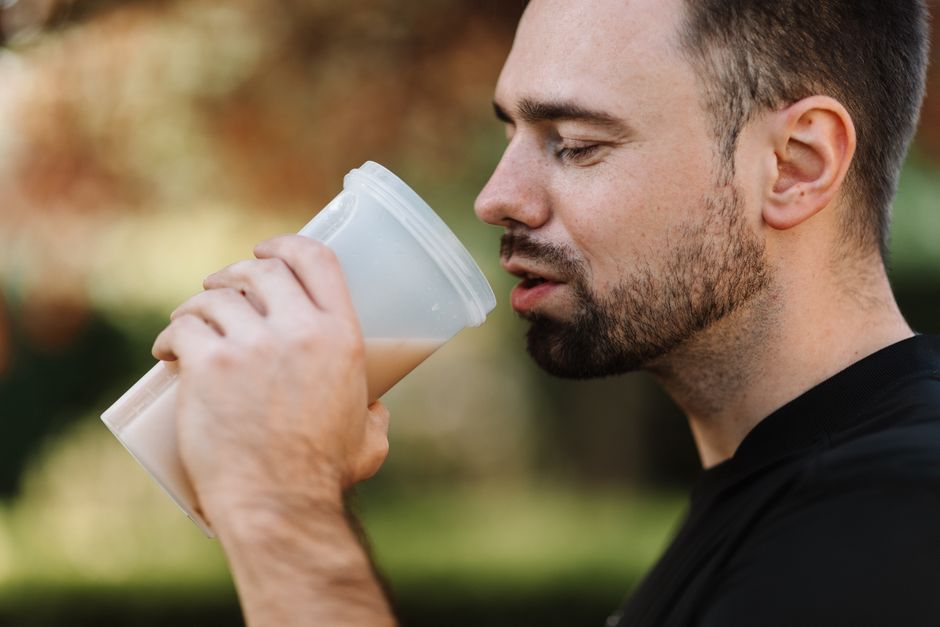
Protein timing gets more attention than almost any other nutrition question in the gym. The short answer: the total amount of protein you eat each day matters far more than whether you drink a shake before or after your workout. For most people, the difference between drinking protein before or after a workout is small. The bigger goal is hitting your daily protein target consistently.
Does Protein Timing Actually Matter?
Your muscles respond to protein intake over a full day, not just in the hour around your workout. Research consistently shows that total daily protein intake is the strongest predictor of muscle growth. Timing is a secondary factor.
Studies have compared protein taken immediately before exercise versus immediately after. Most have found no meaningful difference in muscle growth between the two. The scientific term for this is the “anabolic window” — and it is wider than many people believe. You have several hours, not minutes, to get protein in after training.
What matters is that you eat enough protein spread across the day. For most active adults, that means roughly 1.6 to 2.2 grams of protein per kilogram of body weight daily. That range comes from sports nutrition research and is widely accepted in clinical guidelines.
What Happens To Protein In Your Body?
Protein is broken down into amino acids during digestion. These amino acids travel through your bloodstream and into your muscles, where they trigger muscle protein synthesis — the process of building new muscle tissue.
Your body is always breaking down and building muscle protein. Resistance training increases the breakdown rate. Eating protein after exercise shifts the balance toward building. This is why post-workout protein is popular.
But your muscles do not switch off after a few hours. Amino acid levels in your blood stay elevated for several hours after a protein meal. A meal eaten two to three hours before your workout still provides amino acids during and after your session.
This is why pre-workout protein works too. If you ate a solid meal with 30 to 40 grams of protein a couple of hours before training, your body is still processing it while you lift.
Is It Better To Drink Protein Before Or After A Workout?
The evidence does not support one side over the other for most people. A 2017 review published in the Journal of the International Society of Sports Nutrition examined this exact question. The authors concluded that total daily protein intake matters most and that the anabolic window is more flexible than once thought.
Some research suggests that protein intake before a workout may slightly reduce muscle damage during exercise. Other studies show that post-workout protein is more convenient for hitting daily totals. Both approaches work.
The practical answer: choose whichever fits your schedule. If you train in the morning on an empty stomach, a post-workout shake makes sense. If you train after work and have not eaten well, a pre-workout shake may help you get through the session and start recovery earlier.
What you should avoid is training for hours without any protein in your system and then waiting several more hours before eating. That extended gap is where you lose ground.


How Much Protein Do You Need Per Day?
Daily totals matter more than timing. For muscle growth, research consistently supports 1.6 to 2.2 grams per kilogram of body weight per day. For a 175-pound person, that is roughly 127 to 175 grams of protein daily.
Spreading that across three to four meals works best. Each meal should contain roughly 25 to 40 grams of protein for most adults. This gives your body a steady supply of amino acids throughout the day.
One large protein shake after a workout will not compensate for a day of low protein intake. Conversely, hitting your daily target without any shakes at all works fine. Whole food protein sources — chicken, fish, eggs, dairy, legumes — provide the same muscle-building benefits as shakes.
What About Fasted Workouts?
Training on an empty stomach is common, especially for morning exercisers. Your body will use stored energy during the workout, and muscle protein breakdown increases. This is normal and not harmful.
Eating protein after a fasted workout is the clear priority. Your muscles are primed for amino acids, and a shake or meal within a couple of hours will support recovery. The exact timing — 30 minutes versus 90 minutes — makes little difference.
Some people worry that fasted training causes muscle loss. This concern is overstated. A single fasted workout does not cause meaningful muscle loss. Your body is resilient and will not break down significant muscle tissue in a 45-minute session.
What matters is that you eat protein after the session. The longer you wait, the longer your body stays in a net breakdown state.
Does Protein Shake Type Matter?
Whey protein is the most studied protein supplement. It digests quickly and is rich in leucine, the amino acid that most strongly triggers muscle protein synthesis. Casein protein digests more slowly and is often recommended before bed.
For pre-workout and post-workout purposes, whey is a reasonable choice because it delivers amino acids quickly. But this does not mean other proteins are inferior. Whole foods work equally well.
Research published in the Journal of the International Society of Sports Nutrition found that protein source matters less than total intake. A chicken breast, a glass of milk, or a scoop of whey all provide the building blocks your muscles need.
The main advantage of shakes is convenience. You can drink one in the car, at your desk, or immediately after a workout when cooking is not practical. If convenience is not an issue, whole foods are a perfectly good option.
What If Your Goal Is Weight Loss?
Protein timing takes on a slightly different role during weight loss. Higher protein intake helps preserve muscle while you are in a calorie deficit. This applies regardless of when you drink your shake.
Some research suggests that protein before a workout may help with appetite control throughout the day. Other studies show that post-workout protein helps with recovery so you can train consistently. Both outcomes support weight loss indirectly.
The most important factor during weight loss is total protein intake. When calories drop, protein needs may actually increase. Aiming for the higher end of the 1.6 to 2.2 grams per kilogram range is a reasonable strategy during a cut.
Common Protein Timing Mistakes
One common mistake is relying on a single shake as your only protein source for the day. A 20-gram shake after a workout will not meet your daily needs if the rest of your diet is low in protein.
Another mistake is obsessing over the 30-minute post-workout window. This creates unnecessary stress and can lead to poor food choices. Your muscles remain responsive to protein for hours after training.
Some people also overdo protein supplements and under-eat whole foods. Supplements are meant to fill gaps, not replace meals. Whole foods provide additional nutrients — vitamins, minerals, fiber — that shakes do not offer.
Finally, do not forget that protein before bed has value. A slow-digesting protein source like Greek yogurt or cottage cheese before sleep provides amino acids overnight. This is especially useful for people who train in the evening.
How To Decide What Works For You
Start with your daily protein target. Calculate your body weight in kilograms and multiply by 1.6 to 2.2. That is your daily goal in grams.
Next, plan how to reach that target. Divide it across meals. If you struggle to eat enough whole food protein, add a shake where it fits best.
Choose shake timing based on your schedule and comfort. Some people feel heavy if they eat right before training. Others get nauseous if they drink a shake immediately after intense exercise. Listen to your body.
If you train fasted, prioritize post-workout protein. If you have eaten a solid meal two to three hours before training, your pre-workout nutrition is already handled, and post-workout timing is flexible.
Consistency beats perfection. The person who hits their protein target every day will build more muscle than someone who times one shake perfectly but misses daily targets.
Frequently Asked Questions
How long after a workout should I drink a protein shake?
You have several hours, not minutes, to get protein in after training. Aim for within two hours for convenience, but a meal later in the day still supports recovery.
Can I drink a protein shake before a workout on an empty stomach?
Yes, most people tolerate a shake 30 to 60 minutes before training without issues. If you feel nauseous during exercise, try eating a smaller amount or waiting longer after drinking.
Is it bad to drink protein without working out?
No, it is not harmful. Extra protein is either used for tissue repair or converted to energy, and any excess is not automatically stored as fat unless you are eating more calories than you burn overall.
Do I need protein shakes if I eat enough whole foods?
No. Whole foods provide the same muscle-building benefits as shakes. Shakes are a convenience tool, not a requirement for muscle growth.
