
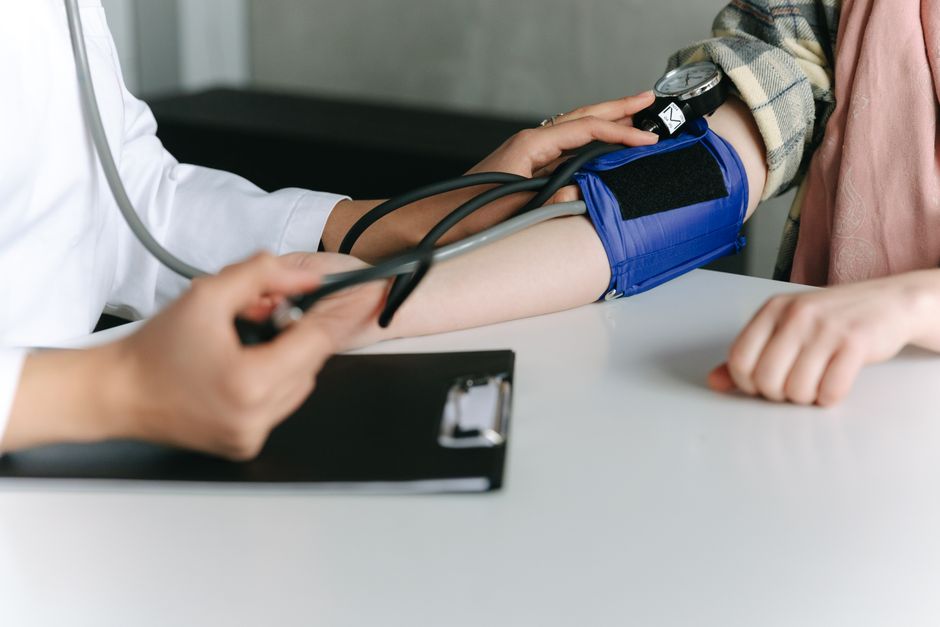
What you eat can lower blood pressure, and the effect is not small. The strongest evidence supports a pattern built on vegetables, fruits, whole grains, beans, nuts, and low-fat dairy, with less salt, red meat, and added sugar. This eating pattern is often called DASH, and it is the approach most studied for blood pressure. Potassium matters as much as sodium here. So does getting the pattern right over months, not days.
What To Eat When Your Blood Pressure Is High?
Build meals around foods that are high in potassium, calcium, magnesium, and fiber, and low in sodium. That combination is what the research supports. No single food does this. The pattern does.
The DASH eating plan was tested in controlled feeding studies sponsored by the National Institutes of Health. In those studies, adults who ate the DASH pattern lowered their systolic blood pressure by roughly 5 to 11 mm Hg more than adults eating a typical American diet. That is a meaningful drop. For comparison, many single blood pressure medications lower systolic pressure by about 9 to 10 mm Hg.
Here is the part many people miss. The DASH pattern also lowered blood pressure in people who were not taking medication and in people whose pressure was only mildly elevated. It worked within two weeks in the feeding studies. Real life is messier than a feeding study, but the direction of the evidence is clear.
What foods should fill your plate?
- Vegetables — leafy greens, tomatoes, beets, carrots, broccoli, squash. Aim for several servings a day.
- Fruits — bananas, oranges, berries, melons, apples, avocado. Potassium-rich choices help.
- Whole grains — oats, brown rice, whole wheat bread, barley, quinoa.
- Beans and lentils — cheap, high in fiber, high in potassium and magnesium.
- Nuts and seeds — unsalted almonds, walnuts, pumpkin seeds, flaxseed.
- Low-fat dairy — milk, yogurt, and cheese provide calcium. Watch the sodium in cheese.
- Fish and poultry — lean protein sources that replace red and processed meat.
The DASH pattern is not a diet you go on and off. It is a way of eating. The blood pressure benefit fades if you stop.
Why Does Potassium Matter So Much?
Sodium and potassium work against each other in your body, and the balance between them shapes your blood pressure. Sodium makes your body hold onto water, which raises pressure. Potassium helps your kidneys release sodium in urine and eases tension in blood vessel walls.
Most Americans get far more sodium than potassium. The typical US diet runs high in salt from processed and restaurant food and low in potassium from produce. Flipping that ratio is one of the most effective dietary moves for blood pressure.
Foods high in potassium include:
- Potatoes and sweet potatoes (with skin)
- Bananas and oranges
- Spinach, Swiss chard, and other leafy greens
- Beans, lentils, and soybeans
- Tomatoes and tomato products
- Yogurt and milk
- Avocado
One caution. If you have kidney disease, your kidneys may not clear potassium well, and high-potassium foods can be dangerous. Talk to your doctor before increasing potassium if you have kidney problems or take certain medications. Potassium supplements are not the same as potassium from food and should only be used under medical guidance.
How Much Salt Should You Cut?
Cutting sodium lowers blood pressure in most people, though the size of the drop varies. People who are salt-sensitive see the biggest change. This includes many older adults, Black adults, and people with existing high blood pressure, diabetes, or kidney disease.
Federal dietary guidance recommends keeping sodium under 2,300 milligrams per day, which is about one teaspoon of table salt. The American Heart Association suggests an ideal limit closer to 1,500 mg per day for people with high blood pressure. Most adults in the US consume well over 3,000 mg daily.
Where does the salt come from? Not mostly the shaker. Roughly 70 percent of sodium in the typical US diet comes from processed, packaged, and restaurant foods. Bread, deli meat, canned soup, frozen meals, pizza, and cheese are common sources. Reading labels and cooking more at home makes the biggest difference.
Salt substitutes that swap part of the sodium for potassium can help lower blood pressure. They are not safe for everyone, especially people with kidney disease or those taking certain blood pressure medications. Check with a clinician first.
Which Specific Foods Have the Most Evidence?
Some individual foods have been studied for blood pressure, though the evidence is generally weaker than for the overall dietary pattern. Beets and beetroot juice contain nitrates that the body converts to nitric oxide, which relaxes blood vessels. Small studies show modest short-term reductions in blood pressure. The effect is real but usually small and short-lived.
Garlic, flaxseed, and cocoa (dark chocolate) have each shown small blood pressure effects in some studies. The results vary, and the doses used in research are often hard to match in daily eating. None of these replace the broader pattern.
What about coffee and alcohol? Caffeine can raise blood pressure briefly, but regular coffee drinking does not appear to cause lasting high blood pressure in most people. Heavy alcohol use does raise blood pressure. Limiting alcohol is one of the standard lifestyle recommendations for managing it.
What Should You Limit or Avoid?
The foods that push blood pressure up are the mirror image of the DASH pattern. Cutting back on them matters as much as adding the good ones.
- Processed meats — bacon, sausage, hot dogs, deli meat. High in sodium and often in saturated fat.
- Canned and instant soups — often contain over 800 mg of sodium per serving.
- Restaurant and fast food — a single meal can exceed a full day’s sodium limit.
- Sugary drinks — linked to higher blood pressure and weight gain in observational studies.
- Red and processed meat — associated with higher blood pressure in large population studies.
- Excess alcohol — raises blood pressure and blunts the effect of medication.
You do not have to be perfect. Small, consistent swaps add up. Swapping a deli sandwich for a bean-based one, or chips for unsalted nuts, is the kind of change that shows up on a blood pressure cuff over time.
How Fast Can Diet Lower Blood Pressure?
In controlled feeding studies, blood pressure dropped within about two weeks on the DASH pattern. In real life, changes are usually slower and less dramatic. Most people see meaningful shifts over one to three months of consistent eating.
Diet is one lever, not the only one. Weight loss, regular physical activity, limiting alcohol, and not smoking all lower blood pressure. Together they can rival the effect of medication. For some people, lifestyle changes are enough. For others, they work alongside medication.
Never stop or change a blood pressure medication on your own. High blood pressure usually has no symptoms, and stopping treatment can be dangerous. Talk to your doctor about any changes.
Does Diet Replace Medication?
No. Diet is powerful, but it is not a substitute for medication when your doctor has prescribed it. What diet can do is help your medication work better and, in some cases, allow your doctor to reduce your dose over time.
The evidence supports diet as a core part of managing high blood pressure, not an alternative to medical care. If your blood pressure is only mildly elevated, your doctor may suggest trying lifestyle changes first and monitoring closely. If it is significantly high, medication and diet work together.
One more thing worth knowing. High blood pressure is often called the silent killer because it usually causes no symptoms until damage is done to the heart, brain, kidneys, or blood vessels. That is why checking your numbers matters more than how you feel.
Frequently Asked Questions
What is the single best food to eat for high blood pressure?
There is no single best food. The strongest evidence supports an overall pattern rich in vegetables, fruits, whole grains, beans, nuts, and low-fat dairy, with less sodium.
How much salt should I eat if my blood pressure is high?
Federal guidance recommends staying under 2,300 mg of sodium per day, and the American Heart Association suggests an ideal limit near 1,500 mg for people with high blood pressure. Most US adults eat well over 3,000 mg daily.
Can I lower my blood pressure with diet alone?
Some people with mildly elevated blood pressure can lower it through diet and other lifestyle changes alone. If you take medication, never stop it without talking to your doctor first.
Are bananas good for high blood pressure?
Bananas are high in potassium, which helps your body release sodium and eases blood vessel tension. They are one helpful food within a broader pattern, not a treatment on their own.
