
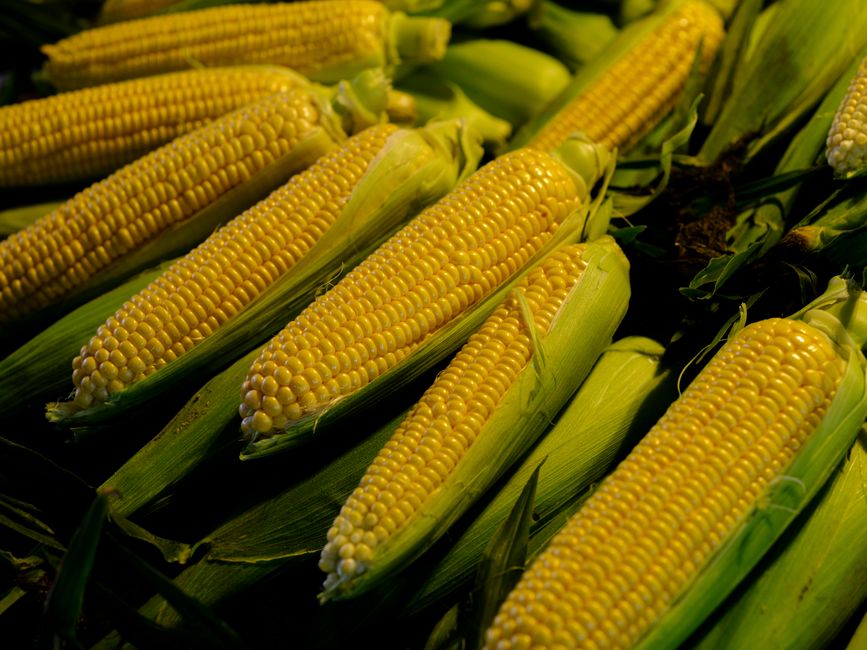
Corn by itself does not raise blood pressure. The real question is what form the corn is in. A plain ear of boiled corn is a low-sodium whole grain with potassium and fiber. Corn chips, canned creamed corn, and most corn-based snack foods are high in sodium and low in the nutrients that help manage blood pressure. That difference is the whole story.
Is Corn Bad For High Blood Pressure It Depends
Whole corn and processed corn products have almost nothing in common nutritionally. That is why the answer depends entirely on which one you are eating.
A medium ear of boiled sweet corn contains roughly 1 mg of sodium and about 190 mg of potassium. That sodium-to-potassium ratio is favorable for blood pressure. Potassium helps the body excrete sodium through the kidneys, which reduces fluid retention and eases pressure on blood vessel walls. The American Heart Association has long identified potassium as a key mineral for blood pressure management.
Compare that to a typical 1-ounce serving of corn chips, which can contain 100 to 200 mg of sodium depending on the brand. Eat a few handfuls and you may consume 400 to 600 mg of sodium in one sitting. The Dietary Guidelines for Americans recommend keeping daily sodium under 2,300 mg. A single snack can use up a quarter of that budget.
The corn itself is not the problem. The salt, oil, and processing are.
What Does the Evidence Actually Say About Corn and Blood Pressure?
No large clinical trial has tested corn specifically as a blood pressure intervention. That is an honest limitation. But the nutrients in whole corn have been studied in broader contexts.
Potassium intake is consistently associated with lower blood pressure in population studies. Research published in the British Medical Journal found that higher potassium intake was linked to lower systolic and diastolic blood pressure across multiple populations. The effect was modest but consistent.
Fiber from whole grains is also associated with better cardiovascular outcomes, including blood pressure regulation. A review published in the journal Hypertension found that higher dietary fiber intake was associated with lower blood pressure, though the effect size varied across studies.
Whole corn provides both potassium and fiber. That does not make it a treatment. It makes it a reasonable part of a diet that supports blood pressure health.
What about corn’s glycemic impact? Sweet corn has a moderate glycemic index, around 52 for boiled corn on the cob. That is lower than white rice or white bread. For people managing both blood pressure and blood sugar, whole corn is generally a better choice than refined grains. But it still contains carbohydrates, and portion size matters.
Which Corn Products Help Blood Pressure and Which Hurt It
Not all corn is equal. The processing matters more than the corn itself.
- Fresh or frozen corn on the cob: Low sodium, good potassium, high fiber. A solid choice.
- Frozen or canned whole kernel corn: Check the label. Some brands add salt. No-salt-added versions are available and are a better option.
- Canned creamed corn: Often high in sodium and added sugar. Read the label carefully.
- Corn tortillas: Usually made from nixtamalized corn with minimal added sodium. A reasonable staple.
- Corn chips and tortilla chips: High in sodium and often fried in oil. These are the products most likely to work against blood pressure goals.
- Corn syrup and high-fructose corn syrup: Added sugars, not whole corn. High intake is associated with weight gain and metabolic issues that can indirectly affect blood pressure.
- Popcorn: Air-popped without salt is a whole grain snack with fiber. Movie theater popcorn and microwave popcorn with butter flavoring can be extremely high in sodium.
The pattern is clear. The closer corn is to its whole form, the better it fits into a blood pressure-friendly diet. The more processed and salted it becomes, the more it works against you.





How Does Sodium in Corn Products Affect Blood Pressure?
Sodium raises blood pressure through a well-understood mechanism. When you consume excess sodium, your body retains water to dilute it. That extra fluid increases blood volume. More blood volume means more pressure against artery walls.
Over time, this can stiffen blood vessels and force the heart to work harder. For people who are salt-sensitive, the effect is more pronounced. Salt sensitivity is more common in older adults, Black adults, and people with existing hypertension.
Most Americans consume far more sodium than the 2,300 mg daily limit recommended in the Dietary Guidelines for Americans. Processed and packaged foods account for the majority of that intake. Corn chips, canned corn with added salt, and corn-based processed snacks contribute to that total.
The corn is not raising your blood pressure. The sodium added to corn products is.
Does Corn Have Any Nutrients That Support Blood Pressure?
Whole corn contains several nutrients that play a role in blood pressure regulation.
Potassium helps counterbalance sodium. A medium ear of sweet corn provides about 190 mg. The recommended daily intake for potassium is 4,700 mg for adults, so corn alone will not get you there. But it contributes.
Magnesium is involved in blood vessel relaxation. A medium ear of corn provides roughly 30 mg. The daily recommended intake is 310 to 420 mg depending on age and sex. Again, corn contributes but is not a primary source.
Fiber supports cardiovascular health through multiple pathways, including improved cholesterol levels and better blood sugar control. A medium ear of corn has about 2 grams of fiber. That is modest compared to beans or oats, but it adds up.
Corn also contains lutein and zeaxanthin, which are carotenoids best known for eye health. Their role in blood pressure is not well established.
The point is not that corn is a superfood for blood pressure. It is that whole corn fits into a dietary pattern that supports healthy blood pressure, alongside fruits, vegetables, legumes, and whole grains.
What Should You Eat Instead If You Have High Blood Pressure?
The DASH diet (Dietary Approaches to Stop Hypertension) remains the most studied dietary pattern for blood pressure. It emphasizes fruits, vegetables, whole grains, lean proteins, and low-fat dairy. It limits sodium, red meat, sweets, and added sugars.
Whole corn fits into DASH. Corn chips do not.
Foods consistently associated with lower blood pressure include:
- Leafy greens like spinach and kale
- Beets and beet juice
- Beans and lentils
- Oats and whole grains
- Bananas, oranges, and other potassium-rich fruits
- Fatty fish like salmon
- Unsalted nuts and seeds
No single food will lower your blood pressure on its own. The overall pattern matters more than any one item. If you are eating mostly whole foods and keeping sodium in check, an ear of corn is not a problem. If your diet is heavy in processed snacks and salty foods, adding corn will not fix it.
Can You Eat Corn If You Take Blood Pressure Medication?
There is no known interaction between whole corn and common blood pressure medications. Corn is a food, not a supplement or drug.
One consideration: if you take a potassium-sparing diuretic like spironolactone, your doctor may monitor your potassium intake. Whole corn is a moderate source of potassium, not a high one. It is unlikely to cause issues on its own, but your overall potassium intake matters. Talk to your doctor about your specific situation.
If you take warfarin or another blood thinner, you may have been told to keep vitamin K intake consistent. Corn is low in vitamin K, so it is not typically a concern. But consistency in your overall diet is what matters most.
Always check with your healthcare provider before making significant dietary changes, especially if you have kidney disease or take multiple medications.
Does Corn Raise Blood Sugar and Indirectly Affect Blood Pressure?
Blood sugar and blood pressure are connected, but the relationship is complex. Chronic high blood sugar can damage blood vessels over time, which contributes to hypertension. That is one reason people with diabetes often develop high blood pressure.
Whole corn has a moderate glycemic index. It will raise blood sugar, but more slowly than refined grains. For most people, it is a reasonable choice within a balanced meal. Pairing it with protein or healthy fat slows digestion further.
Corn syrup and high-fructose corn syrup are different. They are added sugars with no fiber and no nutritional value beyond calories. High intake of added sugars is associated with weight gain, insulin resistance, and higher blood pressure over time. The problem is not the corn. It is the sugar.
Frequently Asked Questions
Is corn bad for high blood pressure?
Whole corn is not bad for blood pressure and may support it through potassium and fiber. Processed corn products high in sodium, like chips and canned creamed corn, can work against blood pressure goals.
Does corn raise blood pressure?
Corn itself does not raise blood pressure. The sodium added during processing is what raises blood pressure, not the corn kernel.
What kind of corn is best for high blood pressure?
Fresh, frozen, or no-salt-added canned whole corn is the best choice. It provides potassium and fiber with minimal sodium.
Can I eat popcorn if I have high blood pressure?
Air-popped popcorn without added salt is a whole grain snack that fits a blood pressure-friendly diet. Movie theater popcorn and heavily salted microwave popcorn can contain very high sodium levels and should be limited.
