
What you eat and drink can move your blood pressure numbers, but the effect depends on what you change and for how long. The strongest evidence points to three things: cutting back on sodium, eating more potassium-rich foods like fruits, vegetables, and beans, and following a pattern of eating close to the DASH diet. Alcohol reduction matters too. None of these work like a drug in a day. They work over weeks and months, and they work best together.
What To Eat Or Drink To Lower Blood Pressure Naturally?
There is no single food or drink that lowers blood pressure on its own. The evidence supports a pattern, not a magic ingredient.
The DASH eating plan — Dietary Approaches to Stop Hypertension — is the most studied dietary pattern for blood pressure. It emphasizes vegetables, fruits, whole grains, beans, nuts, fish, and low-fat dairy, while limiting red meat, sweets, and added fats. In controlled feeding studies, DASH lowered blood pressure within weeks, and the effect was larger when sodium was also reduced.
Potassium is the mineral most directly tied to blood pressure. It helps the body excrete sodium and eases tension in blood vessel walls. Most Americans get far less than the recommended amount. The 2020–2025 Dietary Guidelines for Americans list potassium as a nutrient of public health concern for the general US population.
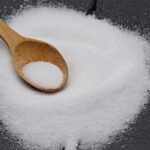
Sodium is the other half of the equation. The American Heart Association recommends no more than 2,300 mg per day, moving toward an ideal limit of 1,500 mg per day for most adults, especially those with high blood pressure. The average American adult consumes closer to 3,400 mg per day. Most of that comes not from the salt shaker but from packaged, processed, and restaurant foods.
Alcohol is worth naming directly. Regular drinking raises blood pressure. Cutting back or stopping can lower it. This is one of the more reliable non-drug effects, though the size of the drop varies by person and by how much they were drinking.
Which Foods Have the Most Evidence Behind Them?
Foods high in potassium and low in sodium do most of the work. They are not exotic. They are the ones most people already know they should eat more of.
- Leafy greens — spinach, Swiss chard, beet greens. High in potassium and magnesium.
- Beans and lentils — kidney beans, black beans, chickpeas, lentils. High in potassium, magnesium, and fiber.
- Bananas, oranges, and dried fruit — reliable potassium sources. Dried apricots and raisins are especially concentrated.
- Potatoes and sweet potatoes — a potato with skin has more potassium than a banana.
- Tomatoes and tomato products — fresh, canned (no-salt-added), or as sauce.
- Beets — contain dietary nitrates, which the body converts to nitric oxide. Nitric oxide relaxes blood vessels.
- Fatty fish — salmon, mackerel, sardines. Omega-3 fats are linked to modest blood pressure reductions in some studies.
- Nuts and seeds — unsalted almonds, pistachios, pumpkin seeds, flaxseed.
- Low-fat dairy and yogurt — part of the DASH pattern, though the blood pressure effect of dairy alone is modest.
- Berries — blueberries and strawberries contain flavonoids. Evidence for a blood pressure effect is promising but not as strong as for potassium-rich foods.
Beetroot juice deserves a specific note because it is often marketed heavily. Some small trials show a short-term blood pressure reduction from beetroot juice, typically lasting hours. The effect is real in those studies but small and short-lived. It is not a substitute for a sustained dietary pattern.
What About Drinks Specifically?
No beverage has been shown to lower blood pressure as reliably as dietary changes do. A few have modest evidence.
Hibiscus tea has the most consistent evidence among herbal teas. Several small trials and a few meta-analyses suggest it produces a small reduction in systolic blood pressure. The effect is modest, and study quality varies. It is not a replacement for medication.
Pomegranate juice has been studied for blood pressure, with mixed results. Some trials show small reductions, others show none. It is also high in sugar, which matters for people watching calories or blood sugar.
Green and black tea contain flavonoids. Long-term tea drinking is associated with slightly lower blood pressure in observational studies, but observational data cannot prove cause and effect.
Low-fat milk and kefir provide calcium and potassium. The blood pressure effect of dairy alone appears small.
Water is not a treatment for high blood pressure, but staying hydrated supports normal kidney function and blood volume regulation.
What to limit matters as much as what to add. Sugary drinks are linked to higher blood pressure and weight gain. Energy drinks have been associated with blood pressure spikes in some studies, particularly in young adults. Alcohol raises blood pressure with regular use.
How Much Potassium Do You Actually Need?
The recommended daily intake for potassium in adults is 3,400 mg for men and 2,600 mg for women, according to the National Academies. Most Americans get roughly half that.
A medium banana has about 420 mg. A medium potato with skin has around 900 mg. Half a cup of cooked white beans has roughly 600 mg. A cup of cooked spinach has about 840 mg. These add up quickly when you build meals around them.
Potassium is not safe for everyone at high intake. People with kidney disease may need to limit potassium because damaged kidneys cannot excrete it properly. People taking certain blood pressure medications — ACE inhibitors, angiotensin receptor blockers, and potassium-sparing diuretics — should talk to their doctor before increasing potassium through food or supplements. Too much potassium in the blood, called hyperkalemia, can cause dangerous heart rhythm problems.
Potassium from food is generally safer than potassium supplements for most healthy people. The FDA limits over-the-counter potassium supplements to 99 mg per pill for this reason.
Does Cutting Sodium Really Work?
Yes. Sodium reduction lowers blood pressure, and the effect is larger in people who already have high blood pressure, in older adults, and in people who are salt-sensitive.
The problem is where the sodium comes from. In the US, roughly 70 percent of sodium in the diet comes from processed and restaurant foods, not from home cooking. Bread, deli meat, canned soup, frozen meals, pizza, and cheese are major sources. Reading labels and choosing lower-sodium versions of these staples often does more than cutting table salt.
Some people are more salt-sensitive than others. Salt sensitivity is more common in Black adults, older adults, and people with obesity, diabetes, or chronic kidney disease. But even people who are not especially salt-sensitive see some blood pressure benefit from reducing sodium.
The DASH-Sodium trial tested this directly. When participants followed DASH and also lowered sodium, blood pressure dropped more than with either change alone. The combination matters.
What Else Affects Blood Pressure Besides Food?
Diet is one lever. It is not the only one, and it is rarely enough on its own for someone with diagnosed hypertension.
- Weight — losing weight lowers blood pressure in people who carry extra weight.
- Physical activity — regular aerobic exercise lowers blood pressure by several points in most people.
- Alcohol — reducing or stopping regular drinking lowers blood pressure.
- Sleep — short sleep and untreated sleep apnea are both linked to higher blood pressure.
- Stress — chronic stress can raise blood pressure, though the effect is harder to measure than diet.
- Medications — some prescription and over-the-counter drugs, including NSAIDs and decongestants, can raise blood pressure.
If you take blood pressure medication, do not stop it because you changed your diet. Dietary changes can lower your numbers enough that your doctor may need to adjust your dose, but that decision belongs to your doctor.
Can Diet Replace Blood Pressure Medication?
For some people with mildly elevated blood pressure, lifestyle changes alone can bring numbers into a healthier range. For people with diagnosed hypertension, diet usually works alongside medication, not instead of it.
Blood pressure categories from the American College of Cardiology and American Heart Association define normal as below 120/80 mm Hg, elevated as 120–129 systolic with diastolic below 80, stage 1 hypertension as 130–139/80–89, and stage 2 as 140/90 or higher. A reading of 180/120 or higher is a hypertensive crisis and needs immediate medical attention.
Anyone with a reading in the stage 2 range, or with stage 1 plus other cardiovascular risk factors, is generally advised to start medication along with lifestyle changes. Diet alone is not considered sufficient at that level.
What diet can do is lower the dose you need, improve how well your medication works, and reduce your long-term cardiovascular risk. Those are meaningful outcomes even if the pills stay.
Do Supplements Help?
Most supplements marketed for blood pressure have weak or mixed evidence. A few have some support.
Magnesium — some studies suggest a small blood pressure reduction, especially in people who are deficient. Evidence is not strong enough to recommend it broadly.
Omega-3 fatty acids — modest reductions in some trials, more consistent at higher doses.
Garlic extract — some trials show small reductions. Aged garlic extract has the most studied form, but results vary.
Beetroot powder — small short-term effects, similar to beetroot juice.
Coenzyme Q10, L-arginine, and hawthorn — evidence is limited and inconsistent. No large trials confirm a reliable effect.
Supplements can also interact with blood pressure medications or cause harm. Potassium supplements in particular can be dangerous for people with kidney disease or those on certain medications. Talk to your doctor before starting any supplement for blood pressure.
Frequently Asked Questions
What is the fastest food to lower blood pressure?
No single food lowers blood pressure quickly. Potassium-rich foods like beans, potatoes, and leafy greens help over weeks when eaten consistently as part of a lower-sodium diet.
Does drinking more water lower blood pressure?
No. Water supports normal body function but has not been shown to lower blood pressure on its own.
Can I lower my blood pressure in a week with diet?
Some people see small changes within one to two weeks of cutting sodium and increasing potassium. Meaningful, lasting reductions usually take several weeks to months of consistent changes.
Is hibiscus tea good for high blood pressure?
Some small trials suggest hibiscus tea produces a modest reduction in systolic blood pressure. The effect is small and it is not a replacement for medication or a full dietary pattern.
