
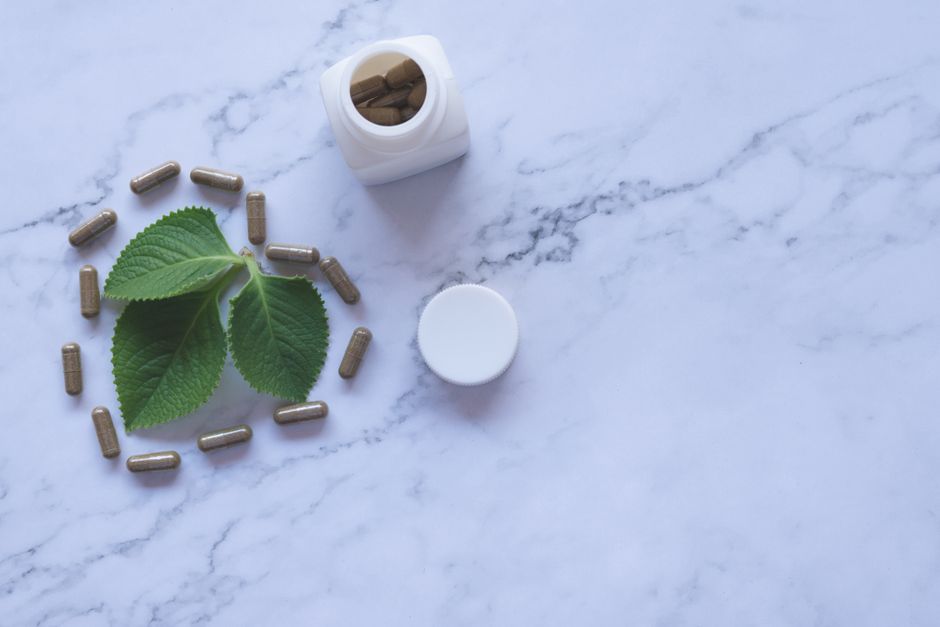
L-theanine, an amino acid found naturally in tea leaves, is often promoted for relaxation and stress relief. Many people wonder if this calming effect translates into lower blood pressure readings. The evidence suggests L-theanine may produce a modest reduction in blood pressure, particularly during stressful situations, but the effect is small and not a substitute for proven blood pressure treatments.
Does L Theanine Lower Blood Pressure The Evidence
Research on L-theanine and blood pressure shows a real but limited effect. Studies have found that L-theanine can reduce blood pressure increases caused by mental stress. The effect appears to be modest, typically a few points of systolic blood pressure, not a dramatic drop.
This means L-theanine may help blunt the blood pressure spike you experience during a stressful event like public speaking or a difficult work meeting. It does not appear to act like a conventional blood pressure medication that lowers resting blood pressure throughout the day.
How Does L-Theanine Affect the Body?
L-theanine influences the brain in ways that promote a calm but alert state. It increases levels of calming neurotransmitters, particularly GABA, which reduces nerve excitation. It also affects serotonin and dopamine, which play roles in mood regulation.
These brain changes can slow heart rate and reduce blood pressure during stress. The amino acid also blocks receptors for glutamate, an excitatory neurotransmitter. This combined action helps explain why people feel relaxed but not sleepy after taking L-theanine.
One key point: L-theanine does not act as a direct blood vessel dilator. It works through the nervous system rather than directly on the arteries. This distinction matters when considering whether it could help manage high blood pressure.
What Does the Research Show?
Several small clinical trials have examined L-theanine and blood pressure. In one type of study, healthy adults took L-theanine before performing stressful mental tasks. Their blood pressure rose less than in people who took a placebo.
Other research looked at people with elevated blood pressure who took L-theanine daily for several weeks. Results showed small reductions in both systolic and diastolic blood pressure. The reductions were real but modest, generally smaller than what standard blood pressure medications achieve.
Some research suggests suggests the blood pressure effect may be more noticeable in people who are already stressed or have higher baseline blood pressure. People with normal blood pressure who are not under stress may see little to no change.
The evidence base has limitations. Most studies are small, involve short treatment periods, and use different doses and measurement methods. No large, long-term trials have confirmed that L-theanine meaningfully reduces cardiovascular risk or prevents complications of high blood pressure.



Typical Doses and How It Is Taken
L-theanine is available as a supplement in capsule or tablet form. It is also present in tea, especially green tea, though at much lower amounts than in supplements.
Clinical studies commonly use doses between 200 mg and 400 mg per day. Some studies use a single 200 mg dose before a stressful event. Others divide the daily amount into two doses.
Tea contains roughly 20 mg to 50 mg of L-theanine per cup. This amount is far below what studies use, but tea also contains other compounds that affect blood pressure and cardiovascular health.
L-theanine is generally well tolerated at studied doses. It is water-soluble, and the body excretes any excess in urine. Side effects are uncommon and usually mild.
Is L-Theanine Safe?
L-theanine has a good safety profile in the short term. Studies lasting a few weeks have not reported serious adverse effects. It does not appear to cause drowsiness at typical doses, which distinguishes it from many anti-anxiety medications.
However, long-term safety data are limited. No large studies have followed people taking L-theanine for years. This does not mean it is unsafe, only that we lack extensive long-term evidence.
Interaction with blood pressure medications is a consideration. Because L-theanine may lower blood pressure slightly, combining it with prescription blood pressure drugs could theoretically cause blood pressure to drop too low. This has not been well studied, so caution is appropriate.
Pregnant and breastfeeding women should not take L-theanine supplements. No reliable safety data exist for these populations. The same applies to children, where no clinical guidelines exist.
What About Caffeine and Tea?
Tea contains both L-theanine and caffeine, which have opposing effects. Caffeine raises blood pressure temporarily, while L-theanine may blunt that rise. This interaction is one reason tea produces a smoother, less jittery effect than coffee.
Some research suggests that combining L-theanine with caffeine improves attention and focus. This combination does not necessarily lower blood pressure more than L-theanine alone. If you are using tea for blood pressure benefits, remember that the caffeine content matters.
Decaffeinated tea still contains L-theanine. This makes it a reasonable option for people who want the amino acid without caffeine’s blood pressure effects.
Should You Use L-Theanine for Blood Pressure?
L-theanine is not a treatment for high blood pressure. It has not been shown to prevent heart attacks, strokes, or other complications of hypertension. No major medical organization recommends it as a blood pressure therapy.
If you have diagnosed high blood pressure, proven treatments matter more. These include weight loss, reduced sodium intake, regular physical activity, limited alcohol, and prescription medications when needed. These approaches have strong evidence behind them.
L-theanine might be a reasonable addition for people whose blood pressure spikes during stress. The evidence for this effect is decent, though not overwhelming. It is not a replacement for stress management techniques like exercise, adequate sleep, or therapy.
Talk to your doctor before adding L-theanine, especially if you take blood pressure medication or have other health conditions. Your doctor can help you weigh potential benefits against the lack of long-term safety data.
Comparing L-Theanine to Other Relaxation Approaches
L-theanine is not the only option for stress-related blood pressure effects. Several approaches have stronger evidence for cardiovascular benefits.
Regular aerobic exercise lowers blood pressure more consistently than L-theanine. Mindfulness-based stress reduction has shown benefits in some trials. Adequate sleep duration and quality also affect blood pressure regulation. These approaches address the root causes of stress-related blood pressure elevation.
Magnesium and potassium supplements have more evidence for blood pressure reduction than L-theanine. However, dietary changes to increase these minerals are generally preferred over supplements.
Frequently Asked Questions
How long does it take for L-theanine to lower blood pressure?
L-theanine typically begins working within 30 to 40 minutes of taking it. The blood pressure effect appears to last a few hours, which is why studies often use it before a specific stressful event.
Can I take L-theanine with my blood pressure medication?
Ask your doctor first. L-theanine might add to the blood pressure lowering effect of your medication, and this combination has not been well studied.
Is L-theanine in green tea enough to lower blood pressure?
A cup of green tea contains far less L-theanine than supplement doses used in studies. Drinking green tea may support overall health, but the L-theanine amount alone is unlikely to meaningfully lower blood pressure.
Does L-theanine cause low blood pressure?
No evidence shows L-theanine causes dangerously low blood pressure in healthy people. The effect is modest, but people taking blood pressure medication should still monitor their readings.
