
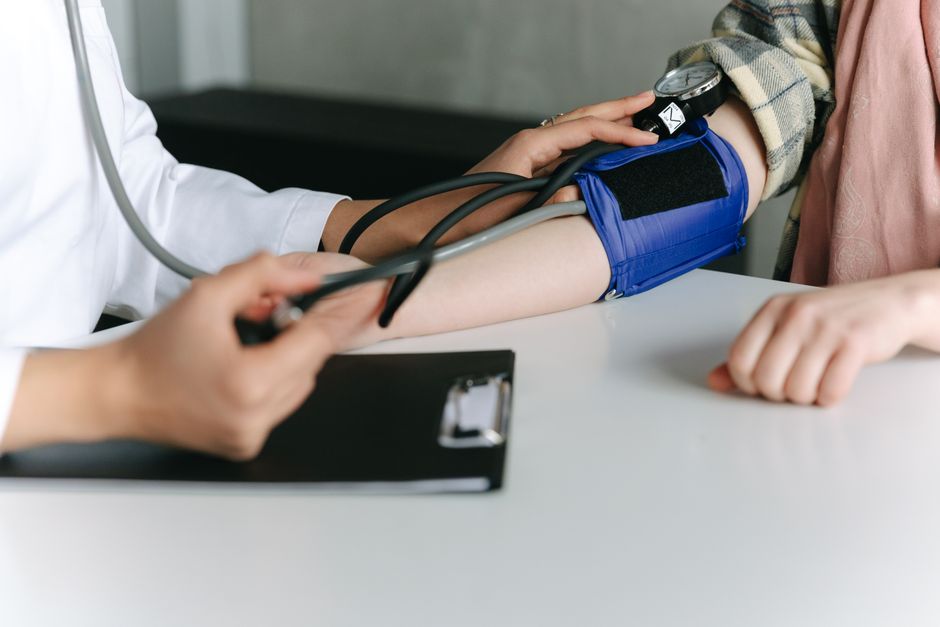
Anxiety can send your blood pressure climbing, sometimes in a matter of minutes. The connection is real, and it works through your nervous system. When you feel anxious, your body releases stress hormones that make your heart beat faster and your blood vessels tighten. That combination raises your blood pressure. The good news is that you can lower it by calming your nervous system. Breathing exercises, physical movement, and addressing the source of your anxiety are the most direct ways to bring your numbers back down.
What Happens to Your Blood Pressure During Anxiety?
Your body has a built-in alarm system. It is called the fight-or-flight response. When your brain detects a threat, it signals your adrenal glands to release hormones like adrenaline and cortisol. These hormones do two things quickly: they make your heart pump harder and they narrow your blood vessels.
Both of these actions raise blood pressure. For most people, this spike is temporary. Once the stressful moment passes, hormone levels drop and blood pressure returns to normal. But if you experience anxiety frequently, you may see these spikes often. Over time, repeated spikes can put strain on your blood vessels and heart.
It is important to understand that anxiety-related blood pressure spikes are different from chronic hypertension. Chronic high blood pressure is a persistent condition that requires medical management. Anxiety can cause temporary spikes on top of that. If you already have high blood pressure, anxiety can make your readings look worse than your usual baseline.
How Can I Lower My Blood Pressure From Anxiety Quickly?
The fastest way to lower blood pressure from anxiety is to activate your parasympathetic nervous system. This is the part of your nervous system that promotes rest and digestion. It counteracts the fight-or-flight response.
Slow, deep breathing is the most effective immediate tool. Breathe in through your nose for four seconds, hold for four seconds, and exhale slowly for six to eight seconds. The extended exhale is key. It stimulates the vagus nerve, which signals your brain to calm down. Doing this for three to five minutes can noticeably reduce your heart rate and blood pressure.
Physical movement also helps. A brisk walk, even for five minutes, can burn off excess adrenaline. Your body is primed to move during a stress response. Walking gives that energy an outlet. Stretching or gentle yoga can also help release muscle tension that builds up during anxiety.
Another technique is progressive muscle relaxation. Tense each muscle group for five seconds, then relax it. Start with your feet and work up to your face. This practice reduces physical tension, which in turn signals your brain that the threat has passed.
What Breathing Techniques Actually Lower Blood Pressure?
Not all breathing exercises are equal. The ones that lower blood pressure share a common feature: they slow your breathing rate and lengthen your exhale. When you exhale slowly, your heart rate naturally decreases. This is a well-documented physiological response called respiratory sinus arrhythmia.
One technique with strong research support is device-guided slow breathing. Some studies show that slowing your breathing to about six breaths per minute can reduce blood pressure. You do not need a device to do this. You can count your breaths manually or use a free app with a visual guide.
Here is a simple pattern to follow:
- Inhale through your nose for four seconds
- Hold gently for two seconds
- Exhale through your mouth for six seconds
- Repeat for five minutes
You should feel a shift within a few minutes. If you feel dizzy or lightheaded, stop and breathe normally. Some people are sensitive to slow breathing and need a gentler pace.
Can Anxiety Cause Chronically High Blood Pressure?
This is a common question, and the evidence is mixed. Some research suggests that people with chronic anxiety have a higher risk of developing hypertension over time. Other studies show no clear link. The relationship is complex because anxiety and high blood pressure share many risk factors, including poor sleep, inactivity, and unhealthy eating habits.
What is clear is that anxiety can make blood pressure readings unreliable. Many people experience white coat hypertension, where their blood pressure spikes in a medical setting because they feel nervous. Others have what is called masked hypertension, where their blood pressure is normal in a clinic but elevated at home due to daily stressors.
If you have frequent anxiety and your blood pressure readings vary widely, talk to your doctor. They may recommend home blood pressure monitoring to get a clearer picture of your true baseline. A single high reading during a stressful moment does not mean you have hypertension.
What Lifestyle Changes Reduce Both Anxiety and Blood Pressure?
Several habits address both conditions at once. Regular aerobic exercise is one of the most effective. Exercise lowers resting blood pressure over time and reduces anxiety symptoms. The effect works through multiple pathways, including improved blood vessel flexibility and increased production of mood-regulating brain chemicals.
Sleep matters more than most people realize. Poor sleep raises both stress hormone levels and blood pressure. Most adults need seven to nine hours of quality sleep per night. If anxiety keeps you awake, address that first. Cognitive behavioral therapy for insomnia is one of the most effective treatments for sleep problems linked to anxiety.
Caffeine is worth examining. It can raise blood pressure temporarily and worsen anxiety symptoms in sensitive people. If you notice your heart racing after coffee, consider reducing your intake. Alcohol has a similar effect. It may feel relaxing at first, but it can disrupt sleep and increase anxiety the next day.
Diet also plays a role. A pattern of eating rich in vegetables, fruits, whole grains, and lean protein supports both heart health and mood stability. The DASH diet, which was designed for blood pressure control, overlaps significantly with dietary patterns associated with lower anxiety risk.
When Should You See a Doctor About Anxiety and Blood Pressure?
Occasional anxiety-related spikes are normal. But you should see a doctor if you notice certain patterns. If your blood pressure is consistently above 130/80 mmHg at home, that warrants evaluation. If you have symptoms like chest pain, shortness of breath, or fainting along with anxiety, seek medical attention promptly.
These symptoms can overlap with heart conditions, and it is not safe to assume they are only anxiety. A doctor can run tests to rule out underlying issues. They can also help you distinguish between anxiety symptoms and cardiac symptoms, which can feel similar.
If anxiety is interfering with your daily life, treatment can help. Therapy, particularly cognitive behavioral therapy, has strong evidence for reducing anxiety. Some people also benefit from medication. Your doctor can discuss options based on your specific situation.
Frequently Asked Questions
How long does it take for blood pressure to drop after anxiety passes?
Blood pressure typically returns to baseline within 20 to 30 minutes after the stressful trigger ends. If you use slow breathing or other calming techniques, the drop can happen faster.
Can deep breathing lower blood pressure immediately?
Yes, slow deep breathing can lower blood pressure within minutes by activating the parasympathetic nervous system. The effect is temporary, so regular practice is needed for lasting benefits.
Is high blood pressure from anxiety dangerous?
Temporary spikes are generally not dangerous for healthy people, but frequent spikes can strain blood vessels over time. If you have existing heart conditions, discuss anxiety-related spikes with your doctor.
Will treating anxiety lower my blood pressure?
Treating anxiety often leads to lower blood pressure readings, especially if anxiety was causing frequent spikes. However, if you have chronic hypertension, you may still need medication or other blood pressure treatments.
